

How gilt investors can lock in 5.9% returns as government borrowing costs soar
The UK government's debt burden has officially crossed the £3 trillion threshold for the first time in history, with the Office for National Statistics recording £2.99 trillion in July 2026 before the landmark was breached the following month. This financial year alone, Chancellor John Healey is expected to borrow around £115 billion, two and a half times the amount sought just a decade ago.
The government secures this cash through the gilts market, where loans are parcelled into bonds and sold to investors ranging from major financial institutions to individual savers. Named gilts because the original paper certificates featured gold edging, these bonds vary in maturity from a few months to 50 years and beyond.
Most gilts are issued at £100, known as the par value, and pay interest twice annually through what is termed the coupon. The UK government has maintained an unbroken record of repaying its domestic debt obligations since the Bank of England was established in 1694, initially to raise £1.2 million for war efforts against France, making these instruments among the safest investments available.
Market anxiety drives yields to multi-decade highs
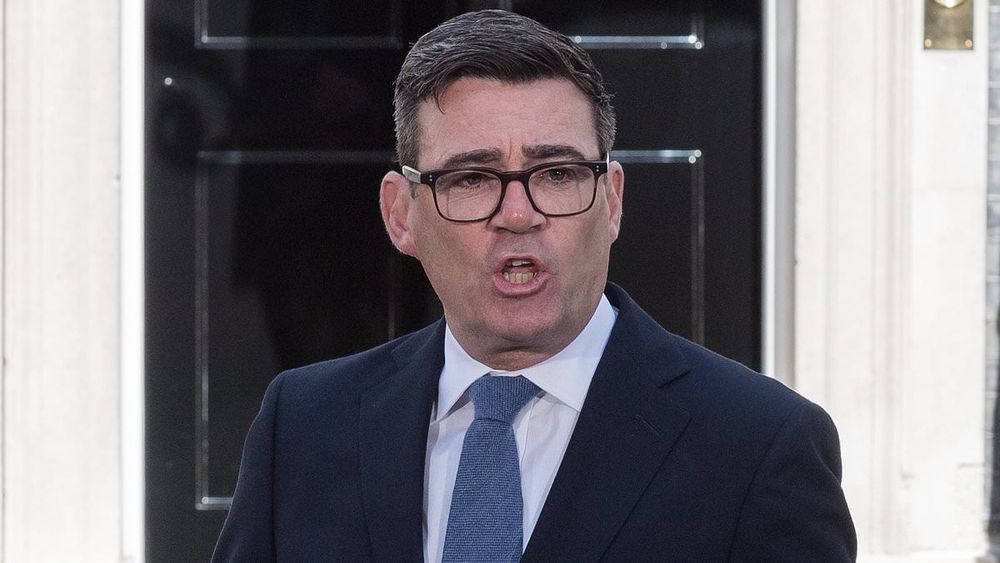
However, major investors are growing increasingly anxious about the scale of current and future borrowing. Prime Minister Andy Burnham, who took office on 20 July 2026 after winning nominations from 379 of 403 Labour MPs, is the seventh prime minister in the decade since the Brexit vote and remains untested in the role. His early policy initiatives, including the removal of 5% VAT on household electricity bills in England, Scotland and Wales scheduled for October 2026, have raised questions about spending commitments. Global unrest demands increased defence spending, and inflation makes everything more expensive, from consumer goods to government department operations.
All this breeds anxiety in financial markets, and the more nervous investors become, the higher the returns they demand. The numbers tell a stark story. Five years ago, the government paid less than 1% annual interest on 30-year gilts. On 1 September 2026, that rate hit 5.89%, the highest level since March 1998. Ten-year borrowing costs stand at around 5.22% to 5.25%, a level not witnessed since June 2008 during the global financial crisis. Markets are currently pricing in a Bank of England rate hike in November 2026 and anticipate multiple additional increases by mid-2027, driven by elevated oil prices and inflation concerns.
The cost of servicing this debt is mounting rapidly. Government debt interest payments reached £7.7 billion in July 2026, almost 10% higher than a year earlier. The Office for Budget Responsibility projects that annual debt interest spending could exceed £130 billion in 2026. To put the scale of borrowing in perspective, UK national debt has increased more than sixfold over two decades, rising from less than £0.5 trillion in 2005 to £1 trillion in 2011, £1.5 trillion in 2016, £2 trillion in 2021, and now approaching £3 trillion.
For Chancellor Healey and his team, ahead of the autumn budget scheduled for 28 October 2026, this creates significant headaches. For investors, however, these generous interest payments offer compelling opportunities: exceptionally high rates for government-backed bonds, with plenty of options available from brokers and online platforms such as AJ Bell, Hargreaves Lansdown and Interactive Investor.
Understanding gilt pricing and yields
The gilt market operates with considerable complexity. While the coupon remains constant from issuance until maturity, gilts trade daily like shares, with prices rising and falling according to investor demand. This affects the yield, calculated by dividing the coupon by the price and converting that figure into a percentage. As yields rise, prices fall, and vice versa.
Consider a gilt issued in 2025 maturing in 2056. The bond pays annual interest of 5.375%, considered generous a year ago but insufficient for today's investors. They want more, so they have driven the price down to £92.60, creating an annual yield exceeding 5.8%. That sounds attractive by itself, but there is an additional benefit: capital gains from gilts are exempt from Capital Gains Tax, while gilt interest is taxed as savings income and paid gross to investors.
Anyone purchasing this gilt today would pay £93.80 but receive £100 in 30 years, a handsome gain that is entirely tax-free. Taking this into account, the gross yield on this gilt rises above 5.9%, a compelling return considering the borrower is the government. Investors can hold gilts until maturity or sell whenever they choose, bearing in mind that prices could fall if market sentiment towards the UK economy deteriorates further, or rise if Healey surprises positively at next month's budget.
Tax advantages drive appeal
Generous interest rates attract attention, but for many investors, the tax treatment provides the main appeal. The government issued vast quantities of bonds during the Covid years, when bank interest rates were virtually zero and coupons barely higher. That means numerous gilts are currently trading at significant discounts to their issue prices.
Ryan Hughes of AJ Bell explains the advantage:
Short-dated gilts for higher-rate taxpayers look particularly appealing, and there are some genuinely high rates on offer when you compare them to cash in the bank.
Take the 0.125% gilt issued in June 2020, maturing in January 2028, less than 18 months away. The coupon stands at just 0.125%, but the price is £94.40, so investors stand to make a £5.60 tax-free gain because they will receive £100 back at maturity. Hughes notes:
The gross equivalent yield on this gilt is 6.8% for a higher-rate taxpayer. This compares very favourably with a fixed-rate cash account.
Even more extreme examples exist, including a gilt issued in May 2020 maturing in 2061, 35 years from now. The coupon is a scant 0.5%, but the bonds trade at £21.90, putting the interest rate at almost 3%, with the prospect of a substantial tax-free capital gain of £88.10 at maturity. Such long-dated issues are not suitable for everyone, but they hold clear attractions for investors who plan ahead or consider passing investments to children or grandchildren.
There is no requirement to buy and hold. Adrian Bell of bond specialists Allia C&C points out:
There used to be extensive trading in the old War Loan bonds, which were undated and had very low coupons. That gave investors an open opportunity to make substantial untaxable gains in an improving interest rate environment. These 2061 gilts are, in some respects, offering people the same thing.
Navigating the risks
Investors need to exercise caution in today's gilt market. The risks differ from equity investing, but careful analysis remains essential. Hargreaves Lansdown's Hal Cook explains:
Yields today are higher than they have been for a long time, so in that context, it's a good time to be buying gilts. But yields could go higher from here, which would mean gilt prices falling.
This can worry investors keen on trading, but for anyone intending to buy and hold, the most important metrics are the current coupon, today's price, and the price the government will pay at maturity. With very long-dated issues, inflation is a key consideration too. By 2061, £100 may purchase considerably less than it does today, eating into an investment's real value.
The government does offer index-linked bonds, which pay far lower coupons than traditional gilts but provide interest and capital repayments adjusted for inflation. Plenty of these are available with maturities stretching from 2028 to 2073, almost 50 years ahead.
For investors with shorter-term horizons, numerous gilts mature in one, three or five years, each with different coupons and prices depending largely on when they were issued. These are not the only government securities available. The Treasury also issues bills, principally maturing in one, three and six months, intended to cover short-term government needs. These bills carry no coupon but are issued at a discount.
A recent six-month bill, for instance, was issued at just over £98 but will pay £100 at maturity in March, implying a yield exceeding 4%. A three-month bill maturing in December was issued at £99 and will be repaid at £100, offering an underlying yield of almost 3.9%. These bills are subject to normal taxation unless held in an ISA or SIPP, but they are increasingly popular with investors seeking quick returns.
Beyond government debt
Government debt offers something for various investor types. Income seekers can look for issues with substantial coupons. Those seeking capital gains can opt for deeply discounted deals paying negligible interest. Treasury bills offer swift gains in a relatively straightforward format. Whatever investors choose, they can take comfort knowing the government has never defaulted on its domestic obligations since 1694.
The government is not alone in issuing bonds, however. Companies, charities and non-profit organisations also raise money through the bond market to fund their activities. The principles behind these bonds mirror gilts: the issue price tends to be £100, coupons are paid twice yearly, and the borrower is expected to repay debts at maturity. But there are certain key differences.
Corporate bonds are subject to normal tax rules and, whereas the government has repaid UK creditors consistently over hundreds of years, companies can default on their debts. If they do, bondholders lose out. To compensate for this risk, companies and charities pay higher coupons, which makes some bonds very attractive to investors prepared to do research.
Many household names tap the bond market, from Tesco to Vodafone to the London Stock Exchange itself. Just like the gilt market, these bonds are traded, so prices vary daily. Tesco has a bond issued in 1999, maturing in three years and paying 6% interest. Initially priced at £100, the price has moved considerably since launch, from lows of £97 to a high exceeding £135. Today, the bond is priced at £103, offering a yield to maturity of 5.23%.
For investors seeking something racier, mortgage specialist LendInvest has a bond maturing in 2032 offering an 8% coupon and currently priced at £101, implying a generous yield to maturity of 7.8%. The company must offer investors more because it is perceived as a riskier proposition than a cash-rich name such as Tesco.
Charities tap this market too, particularly those with physical assets such as care home operators Belong or Greensleeves. Belong bonds, issued in June this year and maturing in 2033, pay a 7.5% coupon, but the price has climbed above £106, reflecting the deal's popularity among investors wanting to do good while earning well. At the other end of the spectrum, the Charities Aid Foundation issued a ten-year bond in 2021 paying a 3.5% coupon. The price has since fallen to £87, meaning the yield to maturity is almost 6.5%. The foundation suffered an unsettling data breach over the summer, but the chances of it defaulting on obligations are negligible.
Gilts and bonds offer particular benefits, and their difference from equities can be an advantage in itself. Alex Watts from Interactive Investor says:
A bond allocation can add a degree of stability to a portfolio, as well as a potentially consistent stream of income.
In today's volatile environment, with gilt yields at levels not seen for years, bonds can seem particularly enticing. As always though, balancing the risks against the rewards remains essential.