The Gym Group eyes further price hikes as Gen Z prioritises fitness
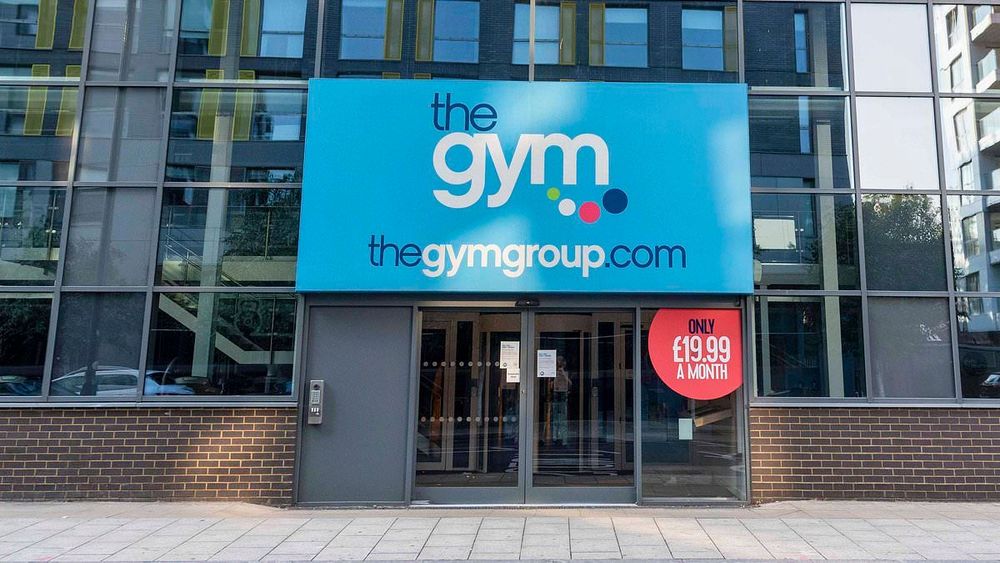
Budget gym operator The Gym Group is planning further membership price rises as it capitalises on growing demand from Generation Z customers who increasingly view fitness as a non-negotiable aspect of their daily lives.
The low-cost fitness chain, which operates over 240 facilities across the United Kingdom, has identified a fundamental shift in consumer attitudes towards health and wellness, particularly among younger demographics who prioritise gym access alongside other essential expenditures.
Price increases amid sustained growth
Company executives indicated that membership fees could rise in the coming months, building on previous price adjustments that have not dampened customer appetite for affordable gym access. The chain has observed sustained growth in sign-ups despite economic pressures affecting household budgets.
Generation Z members, typically defined as those born between the mid-1990s and early 2010s, have demonstrated remarkable resilience in maintaining their gym memberships even when cutting back on other discretionary spending. Industry analysts suggest this cohort views physical fitness and mental wellbeing as integral to their lifestyle rather than optional luxuries.
Budget model attracts cost-conscious consumers
The Gym Group's business model centres on providing basic fitness facilities at competitive price points, attracting cost-conscious consumers who seek value without sacrificing access to essential equipment. The company has benefited from the post-pandemic fitness boom, as more people incorporated regular exercise into their routines following lockdown restrictions.
Management attributed the pricing strategy to rising operational costs, including energy bills, staffing expenses and facility maintenance. The chain maintains that its membership rates remain significantly below those of premium competitors whilst delivering adequate facilities for members focused on fundamental fitness goals.
Broader sector trends
The planned increases reflect broader trends within the budget fitness sector, where operators balance affordability with financial sustainability. Several low-cost gym chains have implemented price adjustments over the past year as they navigate inflationary pressures whilst attempting to preserve membership volumes.
Despite economic headwinds affecting consumer spending patterns, The Gym Group reported steady membership retention rates, suggesting that affordable fitness access has become embedded in the spending priorities of younger generations. The company's performance contrasts with challenges facing other discretionary sectors where consumers have reduced expenditure.
Generation Z's wellness commitment
Industry observers note that Generation Z's commitment to fitness extends beyond traditional gym attendance, encompassing broader wellness trends including mental health awareness and preventative healthcare. This demographic shift has created opportunities for budget operators who can deliver accessible fitness solutions without premium price tags.
The Gym Group continues to expand its footprint across the country, opening new locations in underserved areas where demand for affordable fitness facilities remains strong. The chain's growth strategy targets communities lacking budget gym options, positioning itself as an accessible alternative to higher-priced competitors.
Market analysts will monitor whether the planned price increases affect membership growth rates, particularly if economic conditions deteriorate further. However, early indicators suggest that Generation Z's prioritisation of fitness may insulate budget gym operators from demand fluctuations that typically accompany price rises in other sectors.