Can my neighbour turn their garage into a music studio?
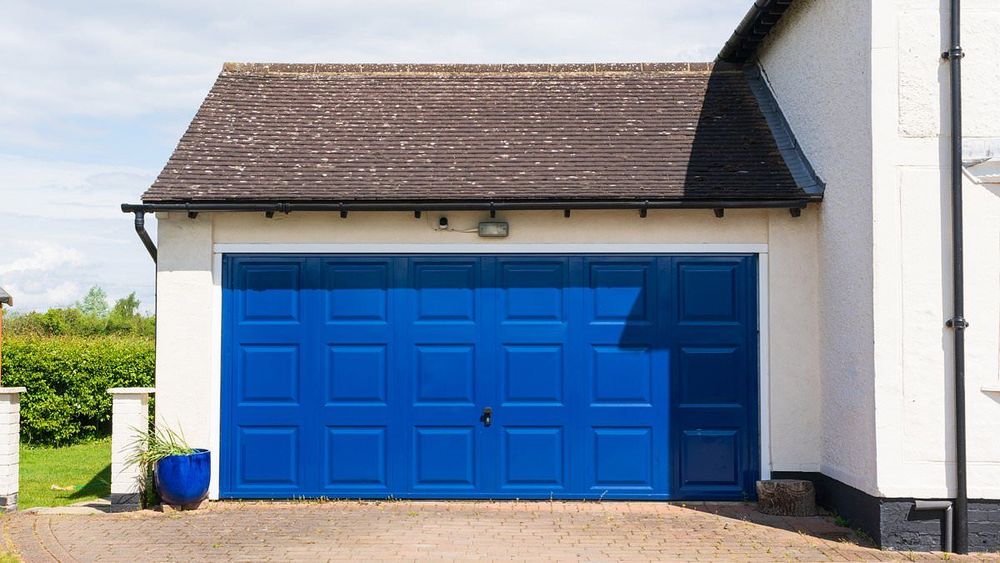
A homeowner has raised concerns after their neighbour began converting a detached garage into a music studio for teaching lessons, with regular drumming and singing. The neighbour claims planning permission is not required, but the worried resident wants to know if this is correct and what can be done about potential noise disturbance.
In most cases, garage conversions do not require planning permission if the work is internal and does not change the building's size. Approximately 90% of garage conversions in England proceed without a planning application, as they typically fall under permitted development rights. However, this does not mean homeowners can skip all regulatory requirements.
Building regulations are mandatory
While planning permission may not be needed, building regulations approval is compulsory for any garage conversion into habitable space. This covers structural integrity, insulation standards including U-values of 0.18 W/m²K for walls and floors, fire safety, ventilation, damp proofing and electrical safety. Homeowners can apply through their local council or a private approver, usually for a fee.
For those wanting formal confirmation that their conversion is lawful, a Lawful Development Certificate costs £274 in 2026 and takes 6-8 weeks to process. This provides legal proof that work complies with permitted development rights, which can be valuable when selling or remortgaging a property.
When business use matters
Using a garage as a private music room does not require planning permission. The situation becomes more complex when the space is used for regular paid music lessons. The key test is whether the property remains primarily a private residence rather than business premises. Planning permission is not normally required if the home is still predominantly residential.
Councils assess several factors when determining if a home business has changed a property's character. These include the number of pupils arriving, frequency of lessons, operating hours, parking impact, and crucially for this case, the level of noise and disturbance to neighbours. One or two lessons a week is very different from a continuous stream of pupils throughout the day, particularly when drums and amplified music are involved.
Whether the garage is attached or detached can also make a difference. Detached garages are classified as outbuildings, and permitted development rights for these are intended for purposes incidental to enjoying the home, such as domestic workshops or hobby rooms. A private music room falls comfortably within this category, but a building specifically fitted out for a substantial teaching business may be viewed differently by planning authorities.
What about the noise?
Even if the music studio is entirely lawful from a planning perspective, noise complaints can be addressed separately through environmental health legislation. Under Section 80 of the Environmental Protection Act 1990, local authorities must investigate complaints of statutory nuisance, defined as noise that is prejudicial to health or causes substantial interference with a neighbour's enjoyment of their home.
Environmental Health Officers consider the type of noise, volume, frequency and timing when assessing complaints. If drumming, amplified music or repeated lessons create unreasonable disturbance, the council can serve an abatement notice. Failure to comply without reasonable excuse is an offence that can result in prosecution and fines.
If a garage shares a wall with a neighbouring property and the conversion work affects that wall, the Party Wall Act may apply and a party wall agreement may be needed, separate from planning permission and building regulations.
Having the conversation
The simplest solution is often a direct conversation with the neighbour about lesson times and soundproofing. If the garage is being properly converted with appropriate insulation, this should help reduce noise transmission. Many homeowners choose garage conversions because more than half of UK garages are not used for cars, instead serving as storage spaces.
The average cost of a garage conversion ranges from £8,000 to £30,000 in 2026, typically taking around four weeks to complete. When done to a high standard, conversions can add between 10% and 20% to a property's value, which explains their growing popularity as homeowners seek additional living space.
For this concerned neighbour, the key takeaway is that while planning permission may not be required, building regulations certainly are. If noise becomes a persistent problem, the environmental health team at the local council can investigate whether it constitutes a statutory nuisance, regardless of whether the studio itself is lawful in planning terms.