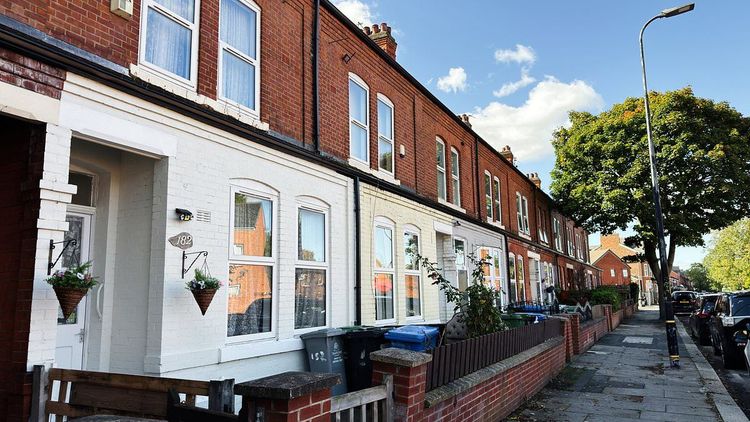
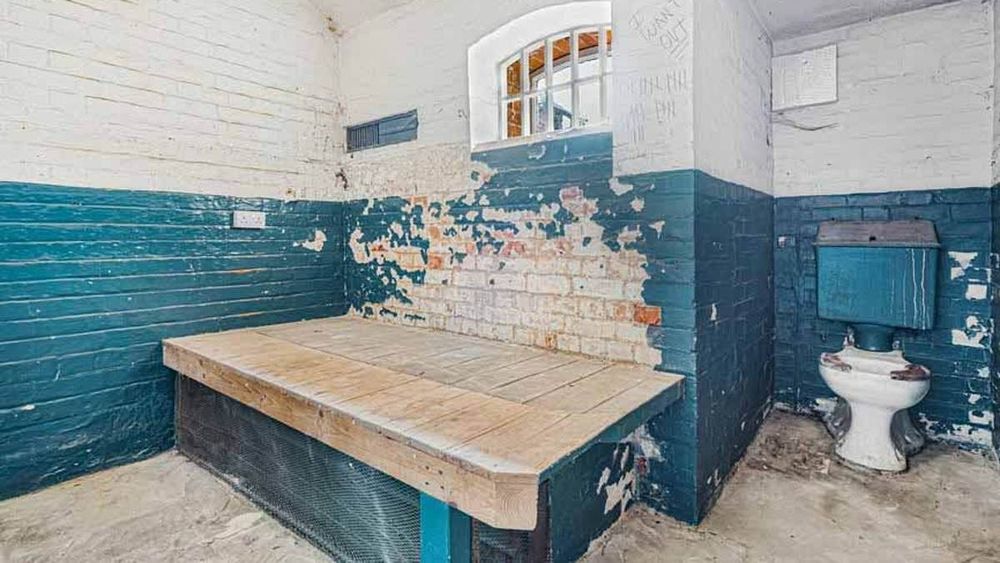
Former magistrates court with prison cells on sale for £800,000 in Cambridgeshire
A unique nine-bedroom property in Cambridgeshire has come to market for £800,000, offering potential buyers the rare opportunity to own a home complete with two original prison cells and a former magistrates court.
The unusual listing represents part of a broader movement across England and Wales, where historic judicial buildings are being transformed into residential properties. Since 2010, half of all magistrates' courts in the country have closed due to austerity and efficiency measures, creating opportunities for residential conversions.
The asking price of £800,000 sits well above the county average of £362,000, though Cambridgeshire ranks as the 16th most expensive county out of 55 in England and Wales. Property prices in the region have shown strong growth, rising 5.6% in the year to August 2026.
A growing trend in courthouse conversions
Similar conversions have taken place across the country in recent years. A Grade II-listed courthouse in Wakefield was converted into flats after closing in 2016, while Chesterfield's former magistrates court was granted planning permission for 30 apartments across three floors. In Bury, a redundant magistrates court that ceased operations in 2017 was renovated to deliver 39 apartments and 10 new build starter homes.
The trend is set to accelerate, with Her Majesty's Courts and Tribunals Service preparing to bulk transfer up to 40 courthouses to the government's Homes and Communities Agency for refurbishment or conversion into residential housing.
Architectural challenges and heritage features
Converting such historic buildings typically involves knocking two or three original cells together to create a single bedroom, as Victorian prison cells were genuinely tiny. Despite structural modifications, conversions often preserve distinctive original features including cell doors with peepholes, observation galleries, narrow landings and iron staircases.
Properties involving heritage and listed buildings require Listed Building Consent in addition to standard planning permission. Carrying out unauthorised works to a listed building is a criminal offence, and planning authorities can insist that work performed without consent be reversed.
Proven commercial appeal
The commercial viability of such conversions has been demonstrated by successful hotel operations in former judicial and prison buildings. The Malmaison Oxford occupies a Victorian jail that operated as a prison until 1996, while the Bodmin Jail Hotel in Cornwall dates to 1779. The Courthouse Hotel Shoreditch in London offers another example of successful courthouse conversion.
The Cambridgeshire property joins a growing number of historic judicial buildings finding new life as residential homes, offering buyers the chance to own a piece of architectural history whilst addressing the country's housing needs.