
Ombudsman findings and government response
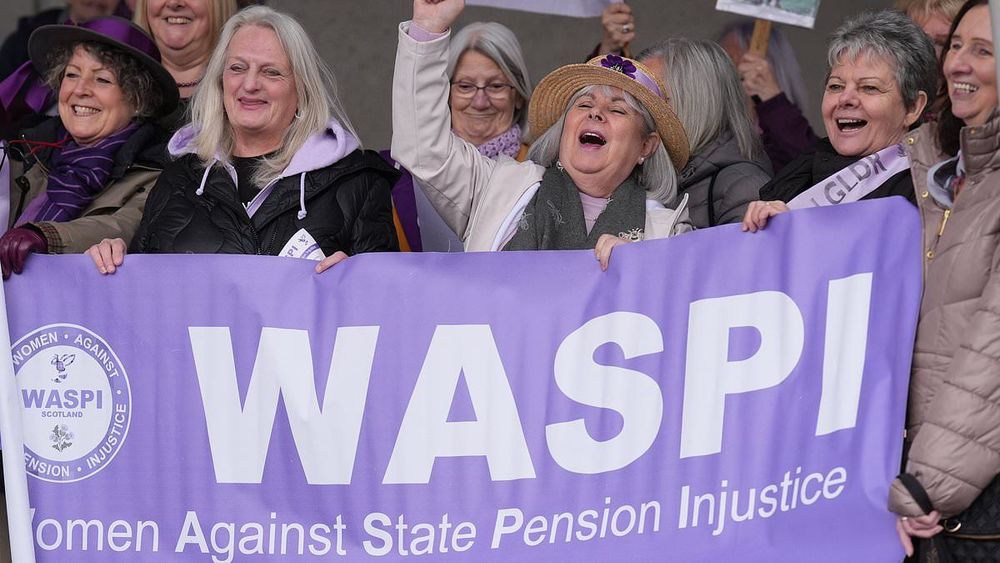
Angela Madden, chairman of the Women Against State Pension Inequality (Waspi) campaign, has expressed confidence that affected women will eventually receive compensation, despite the government's recent rejection of payment proposals.
The optimism comes after a turbulent political journey for the 3.6 million women affected by changes to the state pension age. The Pensions Act 1995 originally provided for women's state pension age to increase from 60 to 65 over the period April 2010 to 2020. However, the Coalition Government's Pensions Act 2011 accelerated this timetable significantly, bringing the qualifying age of 65 forward to November 2018 instead of April 2020.
Of the total affected, approximately 2.6 million women were specifically impacted by the 2011 decision to accelerate the timetable, leaving many with inadequate time to prepare for the changes. A Work and Pensions Committee Report from 2016 revealed that personalised letters sent to 1.2 million women born between April 1950 and April 1953 gave them, on average, just one year and four months notice before they turned 60.
Ombudsman findings and government response
In March 2024, the Parliamentary and Health Service Ombudsman found that the Department for Work and Pensions committed maladministration in how it communicated the pension age changes. The ombudsman recommended compensation payments ranging between £1,000 and £2,950 per affected woman.
However, in January 2026, the government confirmed it would not introduce a compensation scheme. Work and Pensions Secretary Pat McFadden told Parliament that a targeted compensation scheme would not be practical, while a flat-rate approach could cost up to £10.3 billion. Government estimates suggest that compensating the affected women could cost between £3.5 billion and £10.5 billion, depending on the payment amounts.
Political backdrop and party positions
The compensation issue has become politically contentious. In 2022, Keir Starmer signed a pledge drawn up by Scottish campaigners for 'fair and fast compensation' for Waspi women. However, Labour did not commit to compensation in its 2024 manifesto, representing a shift in position from opposition to government.
The urgency of the situation has intensified as the Waspi campaign group estimates that at least 300,000 affected women have died during the years-long fight for compensation, underscoring the human cost of delayed justice.
Previous government mitigation efforts
The government has previously taken steps to address the impact of pension age changes. In 2011, it committed over £1 billion to reduce the impact and limited increases to a maximum of 18 months for the worst-affected women, reducing the savings from the changes by £1.1 billion.
Despite the setback of the government's January decision, Madden's confidence reflects the campaign's determination to continue pressing for what they view as justified compensation for women who suffered financial hardship due to inadequate notification of life-changing pension reforms.