
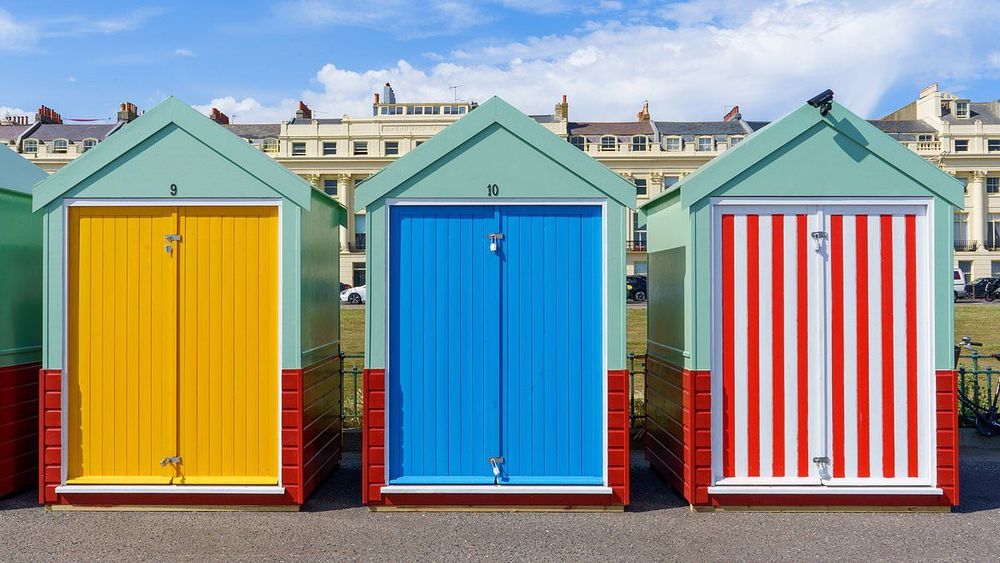
Beach hut prices plunge by a third in some seaside towns as post-pandemic demand cools
The once-booming market for British beach huts has experienced a sharp downturn, with prices tumbling by as much as a third in some seaside locations as the post-pandemic fervour for coastal property subsides.
The wooden seaside shelters, which became highly sought-after during Covid-19 lockdowns when foreign travel was restricted, are now seeing reduced demand as Britons return to overseas holidays and reassess their spending priorities amid ongoing cost-of-living pressures.
Estate agents and beach hut specialists report that sales have slowed considerably compared to the frenzied market of 2021 and 2022, when buyers were prepared to pay premium prices for a slice of British seaside life. In some towns, asking prices have dropped by 30% or more as sellers adjust to the new reality.
The pandemic boom unravels
During the height of the pandemic, beach huts commanded extraordinary prices, with some changing hands for six-figure sums in popular locations along the south coast. The combination of travel restrictions, a desire for outdoor spaces, and remote working opportunities drove unprecedented demand.
However, that appetite has now cooled markedly. The return of international travel options, coupled with rising interest rates and household budget constraints, has dampened enthusiasm for what many now view as a luxury purchase rather than an essential investment.
Regional variations in the downturn
The scale of the price decline varies across different coastal areas. Traditional hotspots that saw the steepest rises during the pandemic are now experiencing the most significant corrections, while beach huts in less fashionable locations have seen more modest adjustments.
Industry observers note that while prices have fallen from their peaks, they generally remain above pre-pandemic levels in most areas. The current market represents a normalisation rather than a complete collapse, though sellers who purchased at the height of the boom may face losses.
What's driving the decline?
Several factors are contributing to the market cooling. The easing of pandemic-related travel restrictions has allowed Britons to resume foreign holidays, reducing the appeal of domestic alternatives. Rising mortgage rates and general inflation have also squeezed household budgets, making discretionary purchases like beach huts less attractive.
Additionally, the maintenance costs and annual fees associated with beach hut ownership have become more burdensome as other living expenses increase. Many owners are reassessing whether the limited seasonal use justifies the ongoing financial commitment.
For prospective buyers, the current market presents opportunities to acquire beach huts at more reasonable prices than were available during the pandemic peak. However, experts caution that buyers should carefully consider the long-term costs and their likely usage before committing to a purchase in what remains a niche and potentially volatile market.