
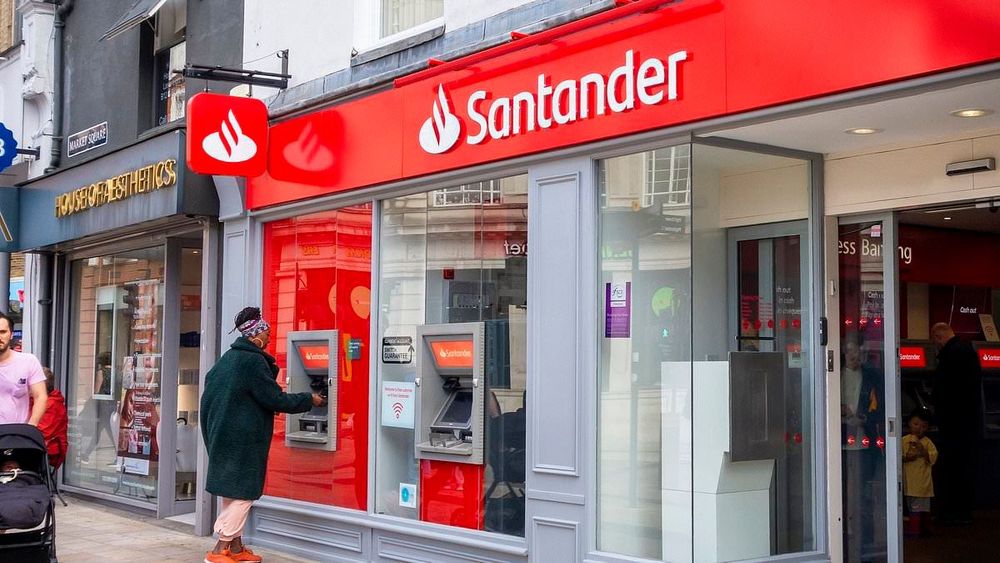
Branch preservation pledge
Santander has committed to keeping every branch in its expanded network open until at least 2028, including the 175 TSB locations it acquired in April for approximately £2.9 billion.
The pledge from Mahesh Aditya, chief executive of Santander UK, marks a significant departure from the accelerating trend of high street bank closures. The deal, which Aditya described as "the single largest investment in the sector for over 15 years," created Britain's third largest bank by personal current account balances.
"As we integrate TSB with Santander UK, our ambition for customers is to combine leading digital services with the personal support they value. I see branches as an important part of our strategy and do not intend to close any additional Santander or TSB branches before 2028 at the earliest."
The combined entity now serves nearly 28 million retail and business customers nationwide and ranks fourth in the mortgage market. The expanded network comprises approximately 480 branches following the integration of TSB's 175 locations with Santander's remaining outlets.
Recent closure activity
The commitment comes despite Santander's recent reduction of its own branch network. The bank had 349 branches following closures in 2025, but announced in January 2026 it would shut an additional 44 locations between April 2026 and January 2027, reducing its standalone network to 305 branches. Closures planned for Whitehaven, Wilmslow and Leighton Buzzard are still scheduled to proceed by the end of January 2027.
However, concerns persist that the TSB brand may eventually disappear from Britain's high streets, as the combined business will ultimately operate under the Santander UK name.
The acquisition received regulatory approval from the Prudential Regulation Authority on 19 March 2026 and from the European Central Bank on 14 April 2026, with completion occurring on 30 April. The final price rose to approximately £2.9 billion from the initial £2.65 billion headline figure, reflecting changes in TSB's tangible net asset value during the transaction period.
Industry-wide branch retreat
Government ministers have criticised the mass closure of bank branches, arguing it restricts access to cash for elderly and vulnerable people. Banks counter that customers increasingly prefer digital services, reducing the need for physical locations.
Since January 2015, approximately 6,871 bank and building society branches have closed across the UK, according to analysis by Which?. Lloyds Banking Group has shut the most outlets at 1,611 branches, while Santander has closed 612 locations over the same period.
Financial performance under pressure
Santander reported welcoming 12 million new customers in the six months to the end of June, with 4 million coming from the TSB acquisition. However, pre-tax profits slumped 31 per cent to £528 million for the period.
Higher restructuring costs relating to the deal weighed on results, with Santander taking a £213 million charge linked to TSB integration. The bank also set aside £179 million to cover costs from the motor finance misselling scandal, which is estimated to cost the industry around £9.1 billion in compensation for unfair vehicle loans affecting agreements made between 2007 and 2024.
Bad debt charges rose by £173 million due to a worsening economic outlook in 2026 amid the Iran war fallout, while the TSB takeover added an extra £62 million of credit impairment.
Santander expects to achieve cost synergies of at least £400 million from integrating TSB into its operations, representing about 13 per cent of the combined business's cost base.