Audi A2 returns as a £32,200 EV with 401 miles of range
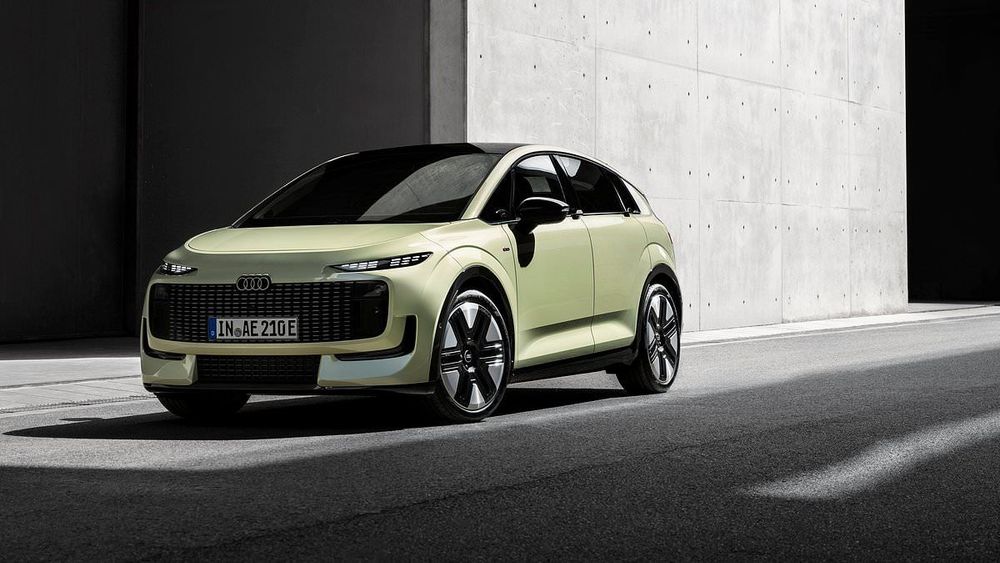
Audi has brought back its A2 nameplate after more than two decades, launching a compact electric hatchback that promises exceptional range and efficiency at a competitive price point.
The A2 e-tron will serve as the entry point to Audi's electric vehicle lineup, priced from £32,200 and offering up to 401 miles of range on a single charge. This positions it ahead of key rivals in the increasingly competitive compact EV segment.
The German manufacturer discontinued its A1 supermini and Q2 subcompact crossover earlier this year to make way for the new model, which will become the brand's most affordable offering when order books open next month.
Historical context and market positioning
The original A2, produced from November 1999 to August 2005, was ahead of its time with innovative all-aluminum body construction using Audi Space Frame technology. The body shell weighed just 153 kilograms – only 60 percent of a comparable steel body – making it the first compact car in recent automotive history with a body made entirely of aluminum.
Despite its groundbreaking engineering and fuel efficiency, the first-generation model struggled commercially, with 176,377 units built over approximately five years before production ended due to disappointing sales.
The new electric version enters a rapidly expanding market, with UK electric vehicle sales reaching approximately 29.8 percent market share in August 2026 and over 366,000 new electric cars registered in the first eight months of the year. The government's Zero Emission Vehicle Mandate sets a 33 percent target for 2026, intensifying competition among manufacturers.
Range and efficiency leadership
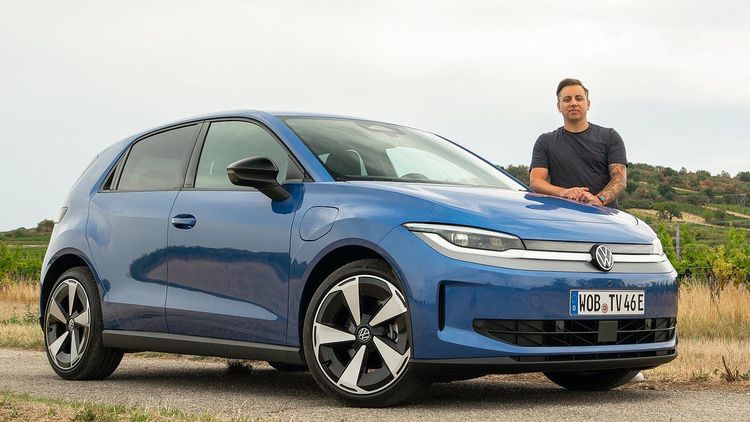
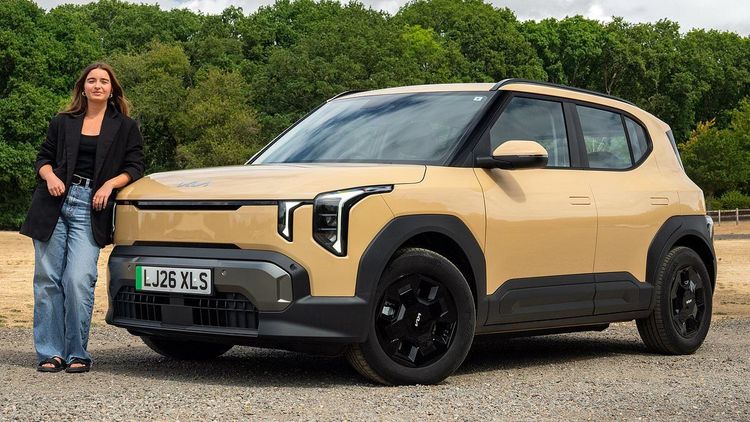
The A2 e-tron's maximum 401-mile range surpasses established competitors including the Kia EV3, which offers up to 375 miles with its 81.4kWh battery pack, and the VW ID.3 Neo, which delivers up to 391 miles with its largest 79kWh battery option.
This performance stems from the A2 being Audi's most efficient model to date, consuming just 12.8kWh per 100km (62 miles) and achieving an efficiency figure of 5.1 miles per kilowatt-hour – superior to the Kia EV3's range of 3.9 to 4.1 miles per kWh.
Audi focused heavily on aerodynamics to achieve these figures, giving the A2 e-tron a drag coefficient of 0.24. This positions it among the most aerodynamically efficient vehicles in its class, where typical electric hatchbacks range from 0.23 to 0.30. Lower drag coefficients reduce the energy required to move through air, directly enabling longer range on a single charge.
Design philosophy
The new model pays clear homage to its 2000s predecessor with a sloping roofline and short, rounded nose, maintaining the bubbly, slightly playful character of the original. However, the modern interpretation features a more refined lozenge shape with a significantly lower roof than the boxier first-generation car.
Contemporary design elements include new taillights inspired by Audi's Nuvolari concept, aerodynamically optimised wheels, sleek light bars and smooth surfaces that align with other e-tron models while minimizing drag.
Interior and technology
The cabin centres on Audi's panoramic MMI display, combining an 11.9-inch instrument cluster with a 12.8-inch curved touchscreen. Standard features include Audi voice assist with AI integration and Microsoft Teams connectivity for online meetings.
Audio comes from a 14-speaker Sonos system, while aero-acoustic engineering keeps the cabin quiet. Front and rear seats use microfibre and cloth upholstery designed to maximise interior space.
Boot capacity measures 396 litres – less than the Kia EV3's 460 litres but exceeding the VW ID.3 Neo's 385 litres.
The A2 introduces Fidlock, a German fastening system using magnets and mechanical locks that allows drivers to reposition cupholders throughout the cabin.
Standard safety equipment includes adaptive cruise control, reversing camera, Parking System Plus, Side Assist with Exit Warning and Rear Cross-Traffic Assist. More advanced driver assistance systems and surround cameras will be available as optional extras.
Powertrains and performance
Audi will offer the rear-wheel drive A2 e-tron with three battery options: 52kWh, 61kWh and 84kWh, paired with four power outputs ranging from 168bhp to 322bhp.
The entry-level 168bhp version with the 52kWh battery delivers 262 miles of range. The mid-range 187bhp variant with the 61kWh battery extends this to 320 miles – sufficient for a journey from London to Falmouth on a single charge.
The two top-specification models use the 84kWh battery, with the 228bhp version achieving the maximum 401 miles of range and the 322bhp performance variant offering 391 miles. The latter reaches a top speed of 124mph and accelerates from 0-62mph in 5.7 seconds.
DC charging is available at up to 183kW, allowing the 84kWh battery to charge from 10 to 80 percent in approximately 29 minutes. The smaller batteries support charging speeds of 100kW or 105kW.
The vehicle features bi-directional charging capability, enabling it to power external electronics, and includes a Vehicle-to-Home function that can use the car's battery to supply household electricity.
Pricing and availability
UK customers can order the A2 e-tron from October 2026, with pricing starting at £32,200. This undercuts the Kia EV3 Long Range at £35,995 and closely matches the VW ID.3 Neo at £33,080, while offering competitive or superior range figures.
First deliveries are scheduled for early 2027, marking the return of a nameplate that struggled commercially in its original incarnation but now arrives in a market far more receptive to innovative, efficient vehicles.