Classic car owners back mandatory MOT tests despite exemption and rising costs
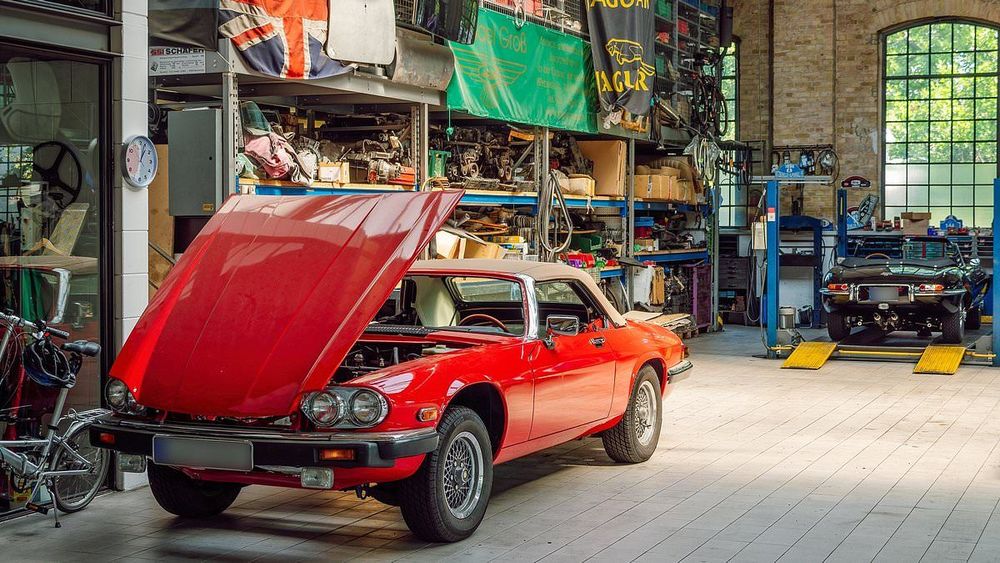
Owners of classic cars have expressed strong support for mandatory MOT testing of vehicles over 40 years old, despite their motors currently being exempt from the annual roadworthiness check and potential cost increases on the horizon.
A poll of 1,200 classic car owners found that almost two-thirds would be willing to pay for an MOT to demonstrate their vehicle is safe to drive, even though cars reaching 40 years from their registration date automatically qualify for 'historic vehicle' status and are no longer required to undergo testing.
The findings come as the Government faces pressure to raise the maximum MOT fee from £54.85 to £95, amid claims from garage owners that current charges have become unsustainable.
The historic vehicle exemption
Under rules introduced in May 2018, vehicles over 40 years old are exempt from MOT testing. The policy replaced a previous fixed-date exemption that applied only to cars manufactured before 1 January 1960, creating a rolling exemption that brings more vehicles into the historic category each year.
The Department for Transport justified the exemption by stating that historic vehicles are generally well maintained and used mostly for short journeys, and that modern MOT standards are no longer relevant to cars over 40 years old.
Currently, there are 1.1 million vehicles with historic vehicle class in the UK, of which 600,000 still hold licences to drive on roads. These vehicles also enjoy exemption from Vehicle Excise Duty and clean air zone charges, including London's £12.50-a-day ULEZ fee.
However, with models such as the Citroen AX, Jaguar XJ40 and Rover 800 qualifying for historic status this year, not all exempt vehicles are valuable collectors' items. Many surviving examples of modern-classic cars are relatively inexpensive to buy, raising concerns about roadworthiness.
Safety concerns persist
Available data suggests around one in five classic vehicles would fail an MOT if tested. Between January 2019 and June 2021, the Driver and Vehicle Standards Agency conducted voluntary MOT tests on 121,204 vehicles aged more than 40 years, revealing an average failure rate of 18.4 per cent.
Interestingly, DVSA data shows that newer classic cars from the 1970s are three times more likely to fail an MOT than older classics from the 1950s, challenging assumptions about which vehicles pose the greatest safety risk.
When the MOT exemption was introduced in 2018, the number of classic cars voluntarily taking MOT tests initially dropped by approximately 50 per cent, from 110,930 tests in the six months before exemption to 55,256 in the six months after.
Despite the exemption, owners remain legally responsible for ensuring their vehicles are roadworthy. Failure to maintain an MOT-exempt historic vehicle to legal standards can result in a fine of up to £2,500 and three penalty points.
Owners want tailored testing
The survey by insurer Hagerty UK found that 43 per cent of classic car owners still choose to put their cars through an annual MOT despite no legal requirement, while many believe the current inspection process is not ideally suited to older vehicles.
A more sympathetic approach to older car testing would help keep unroadworthy cars off the road. A proportionate and appropriate testing regime would not be unwelcome.
Another collector added:
I don't want unsafe classic cars on the road, but I also don't think they should be tested as if they were modern vehicles.
The poll also revealed that 43 per cent would pay more for a classic car with a valid MOT certificate, while 47 per cent believe mandatory inspections would help preserve historic vehicles for future generations.
Mark Roper, managing director of Hagerty UK, said:
It is clear that many owners would welcome a classic-specific MOT test, one that proves roadworthiness through checks that are more appropriate for the age of the vehicle.
Industry calls for specialist approach
The classic car industry appears supportive of some form of inspection while retaining the current exemption system. Dale Keller, chief executive of the Historic & Classic Vehicles Alliance, said:
We support regular safety and roadworthiness checks for historic vehicles that are exempt from the statutory MOT, particularly when a vehicle is being returned to the road after a period of storage, following restoration, or after significant mechanical work.
He added:
There is a clear rationale for the current exemption, not least because historic vehicles often require specialist knowledge to assess properly. However, we believe there is a strong case for developing an optional, industry-led roadworthiness inspection specifically for MOT-exempt historic vehicles.
MOT fee increase under consideration
The debate over classic car testing comes as the Independent Garage Association has called for the maximum cost of a car MOT to increase from £54.85 to £95, arguing that the current fee has become unsustainable amid rising operating costs.
The MOT price cap has remained unchanged since 2010. According to calculations based on Bank of England inflation data, the equivalent inflation-adjusted fee would be £87.31, meaning the proposed increase exceeds pure inflation adjustment.
Stuart James, chief executive of the IGA, said:
We are being advised by garage owners that without a significant increase to the MOT fee, they cannot continue to sustain this ever-increasing cost burden.
The Institute of the Motor Industry has noted that upcoming changes, including EV mileage checks when electric vehicle excise duty comes into force in 2028, will increase demands on MOT garages, adding further pressure for fee increases.
On 21 October, the IGA and other industry bodies are scheduled to meet with the Department for Transport to discuss a potential increase to the MOT fee cap.