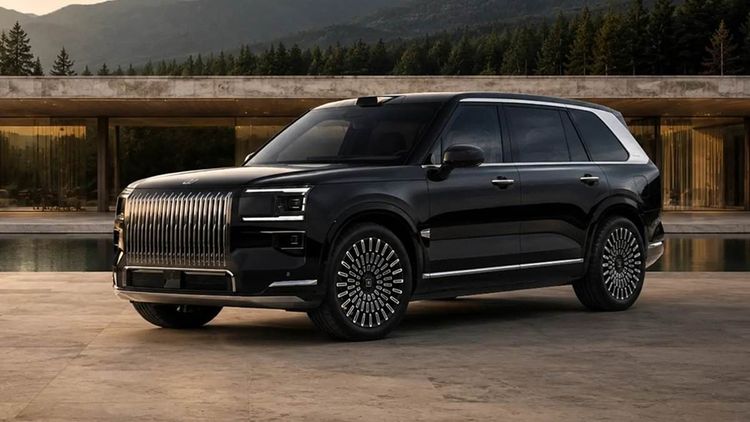
Electric car could save Prime Minister £9,000 a year on Manchester to Westminster commute
Prime Minister Andy Burnham could save approximately £9,000 annually by commuting between Manchester and Westminster in an electric vehicle rather than by train, according to a cost analysis that highlights the growing financial case for EVs on long-distance routes.
The calculation takes on particular significance given Burnham's establishment of No. 10 North, a branch of the Office for the Prime Minister and Cabinet located at Heron House in Manchester city centre, which he launched on his first day in office on 20 July 2026. The initiative represents a major shift in British governance, though it necessitates regular travel between the two cities.
The financial comparison reveals a stark difference in transport costs. An automotive industry analysis by CarWow calculated potential savings of around £27,000 over three years for commuting by electric car compared to train travel on the Manchester to London route, equating to £9,000 per year.
The cost advantage for electric vehicles stems from significantly lower energy prices compared to rail fares. Home charging on an off-peak EV tariff can cost as little as 7p per kWh in 2026, while public rapid charging averages around 79p per kWh according to Zapmap data. By contrast, regular train travel between Manchester and London commands premium pricing.
The journey itself takes on average 2 hours 43 minutes by direct train services, with the fastest services completing the trip in 1 hour 59 minutes. While driving would likely take longer, the cost differential remains substantial even when factoring in additional expenses such as the £200 annual road tax now applicable to electric vehicles from their second year of ownership, following the loss of complete exemption in April 2025.
Infrastructure and charging costs
The feasibility of such a switch is supported by expanding infrastructure. The UK now has over 120,000 public EV charging devices as of early 2026, according to Department for Transport statistics, making long-distance electric travel increasingly practical.
Current electricity pricing provides further context for the cost calculations. Ofgem has set the average electricity price cap at 26.11p per kWh for standard variable tariffs from 1 July to 30 September 2026, though dedicated EV tariffs offer substantially lower rates during off-peak hours.
Political context
The analysis presents an ironic scenario for Burnham, who championed public transport throughout his political career as Greater Manchester Mayor from 2017 to 2026, focusing on buses, trams and rail as alternatives to cars.
His establishment of No. 10 North forms part of a broader agenda addressing the UK's position as the most fiscally centralised country in the G7, with some 95 percent of tax revenue flowing straight to Whitehall, according to the Centre for Cities think tank.
The cost comparison raises questions about the economics of regular long-distance commuting and the relative value propositions of different transport modes, particularly as electric vehicle running costs continue to undercut traditional alternatives.