Timothy Taylor's faces backlash over Gen Z rebrand of historic cask ale logos
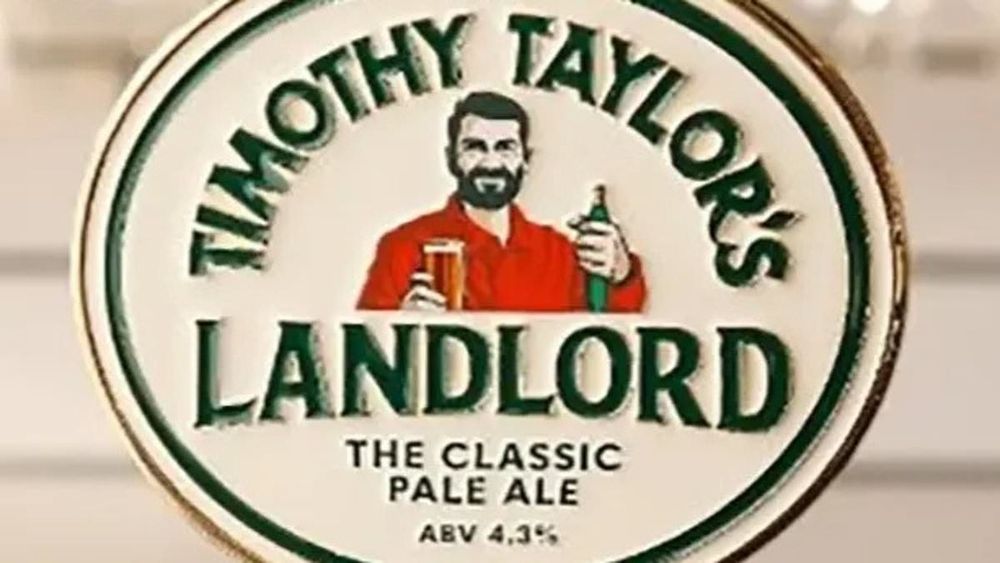
Timothy Taylor's, the family-owned Yorkshire brewery behind Britain's top-selling cask ale, has drawn sharp criticism after unveiling new logos featuring smiling, brightly-dressed characters in place of its traditional imagery.
The rebrand affects the brewery's flagship products including Landlord, which was originally launched in 1953 as 'Competition Ale' before being renamed through a public competition won by a local steward who received a £500 prize. The ale has since won CAMRA Champion Beer of Britain four times and now accounts for 80 percent of Timothy Taylor's output.
The new designs show bearded figures in vibrant colours on Landlord and Boltmaker pump clips, drawing comparisons to Madrí Man, the iconic character that helped propel Madrí Excepcional to become the most successful new alcohol brand launch in UK hospitality in 16 years, achieving over £109 million in first-year sales and surpassing £1 billion annually by 2025.
John Rooth, secretary of the Society for the Preservation of Beers from the Wood, condemned the move as
jettisoning 168 years of history, brand awareness, affection and loyalty.
Why do they think this is necessary? Probably because real ale is seen as not appealing to the 'yoof' of today,Rooth told The Telegraph.
However, I doubt whether a superficial tarting up at the expense of a firmly established brand reputation will make much difference.
Market pressures behind the rebrand
The controversial redesign comes as the cask ale market faces significant headwinds, with craft cask ale recording a 16.7 percent fall in on-trade value sales between 2024 and 2025 according to the SIBA Independent Beer Report 2026. Among 18 to 24-year-olds, only 11 percent now drink cask ale, down from 25 percent in the previous report.
However, industry analysis suggests premium cask brands have proven far more resilient than standard ale, with six million consumers still drinking cask - twice as many as stout drinkers. Timothy Taylor's itself bucked the broader decline, increasing revenue by 2.1 percent to £35.7 million in the year ending September 30, 2025.
Recent research also challenges assumptions about Gen Z drinking habits, showing legal-age Gen Z drinkers now consume alcohol at rates similar to the overall population - 74 percent versus 76 percent - with their drinking rate increasing eight percentage points from 2023. Nevertheless, Gen Z drinkers show strong preferences for cocktails and ready-to-drink beverages, with 84 percent having consumed cocktails in the last six months, more than any other generation.
Heritage versus modernisation
Founded in 1858 in Keighley, West Yorkshire, Timothy Taylor's moved to its current Knowle Spring site in 1863, where it continues to use water from an aquifer accessed via a deep well. The brewery's previous branding update in 2017 took a heritage-focused approach, featuring community-inspired prints of workers on pump clips and bottles.
Chief executive Andrew Carter defended the latest changes, emphasising that brewing methods remain unchanged.
For 168 years, we've believed that if you brew great beer properly, people will keep coming back to it,Carter said.
This refresh isn't about changing what we brew. The recipes, ingredients and brewing philosophy that have served us for generations remain exactly the same.
It's about making sure the quality and care that go into every pint are reflected in how Timothy Taylor's is presented today, so we're just as relevant to the next generation of drinkers as we've been to the last,he added.
Fred de Fossard, a brewery enthusiast, argued the rebrand
misunderstandsthe customer base.
Rather like the artless rebrand by Jaguar a few years ago, this misunderstands what Landlord's own drinkers are looking for and why they are drinking it,he said.
Often, a brand's longevity is the point.
The new branding will take months to roll out across the brewery's product range.