Cardiac Arrest Survivor Reunites with Nurse Who Saved His Life on Southwest Flight
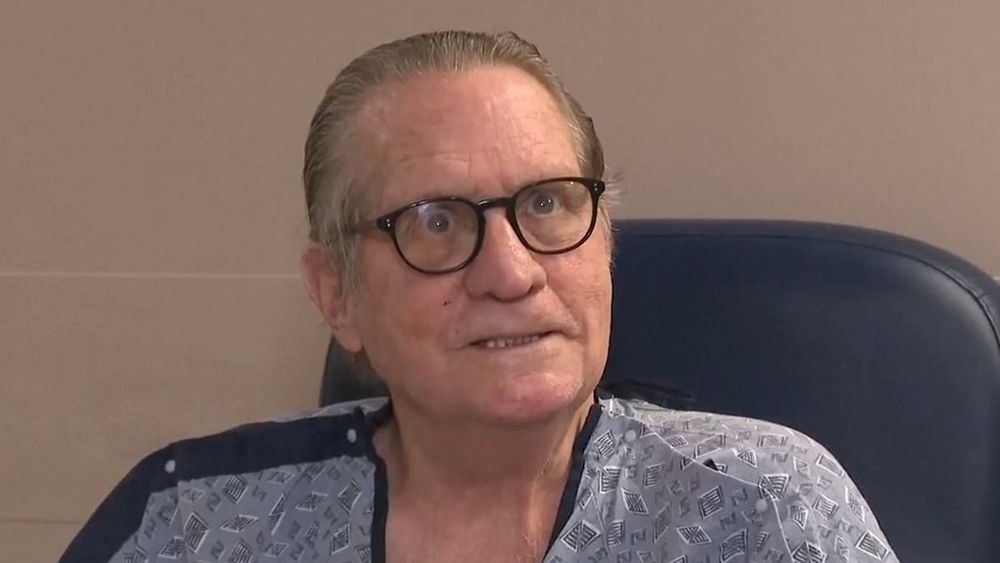
A 77-year-old man who suffered a cardiac arrest aboard a Southwest Airlines flight has been reunited with the nurse practitioner who saved his life after launching a public search to find her.
Patrick McGee was traveling from Omaha, Nebraska, to Phoenix Sky Harbor International Airport on July 29 when his heart stopped beating. He remembers talking to a woman seated beside him before losing consciousness and waking up in an ambulance.
Two Nurses Spring Into Action
That woman was Lora Holton, a retired critical care nurse who immediately began CPR when McGee collapsed. Medical emergencies occur on approximately one in every 212 flights, according to the largest comprehensive study on airline medical incidents, and medical volunteers assist in nearly one-third of such cases.
Another passenger, nurse practitioner Kaitlyn Louchheim, rushed to help and took over compressions from Holton. Working in the narrow airplane aisle, Louchheim sat on McGee's chest to apply sufficient weight for effective compressions.
"I was thinking that the aisles are really, really skinny and that I'm going to have to sit on top of this poor man and use all of my weight but if this doesn't happen now and it's not effective, then this isn't going to work," Louchheim told KYMA.
Quick Response Proves Critical
The quick intervention proved critical. Patients who receive bystander CPR have a 13% survival to hospital discharge rate compared to just 7.6% for those who do not receive immediate assistance. When CPR begins within two minutes of cardiac arrest, patients have an 81% greater chance of survival and a 95% higher likelihood of surviving without significant brain damage.
Within minutes, McGee's chest began rising and falling again, and his eyes flickered open.
"Everyone was so excited, beside ourselves. It was really emotional and then he actually opened his eyes," Holton recalled.
McGee's case represents a particularly challenging scenario. Research shows that cardiac arrest survival rates during flights are far lower than on land, though all U.S. commercial airlines have been required to carry automated external defibrillators since 2004.
Search for the Life-Saving Stranger
Following several days of recovery at Arizona Heart Hospital, McGee contacted KYMA to help locate the woman who revived him.
"I owe this person a great deal. She brought me back and I have a son, grandkids, wife, brothers and I'm still here with them because of her," he said.
After the station aired his story on Monday, Louchheim saw the segment and contacted McGee within a day. The two spoke over the phone in an emotional conversation.
"He was like, 'You are my angel, I'm so thankful for you,'" Louchheim said. "It was a very emotional moment for myself as well."
Right Place at the Right Time
Louchheim's presence on the flight was itself a stroke of fortune. She had originally been scheduled on a later flight from Omaha to Phoenix for her daughter's birthday, but took an earlier departure when a seat became available.
"I'm just glad I was in the right place at the right time," Louchheim told KYMA. "He was meant to have more time."
The incident underscores the life-saving potential of CPR training. While about 70% of all out-of-hospital cardiac arrests occur in homes, McGee's experience demonstrates how prepared bystanders can make the difference between life and death in any setting.