US rate hike pressure could force Bank of England into action
The Bank of England faces mounting pressure to raise interest rates as developments in the United States and rising domestic inflation create a challenging policy environment ahead of its September 17 decision.
The US Federal Reserve's benchmark interest rate currently stands at 3.50% to 3.75%, held steady since a cut in December 2025. However, internal tensions at the Fed are growing. At the July meeting, three regional Federal Reserve presidents - Beth Hammack of Cleveland, Neel Kashkari of Minneapolis, and Lorie Logan of Dallas - dissented from the decision to hold rates, pushing instead for an immediate quarter-point increase. This marked the first time since September 2016 that three Federal Open Market Committee members have dissented with a unified hawkish view.
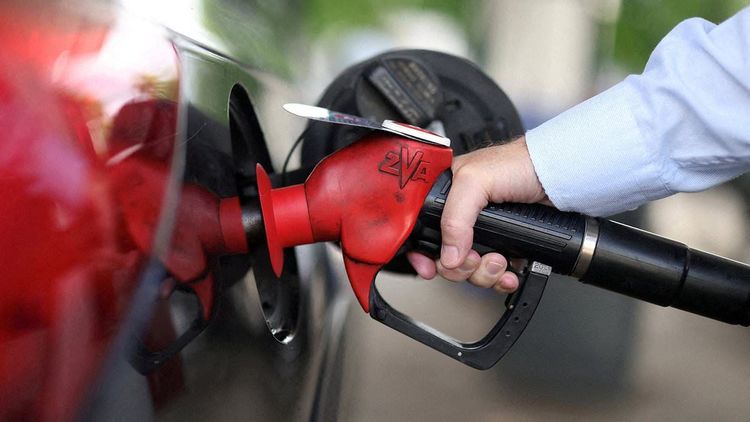
The pressure for higher US rates stems from persistent inflation running at 3.4% for the 12 months ending August 2026, well above the Federal Reserve's 2% target. Energy costs have been a particular concern, with gasoline prices rising 27.4% year-over-year. Financial markets are now pricing in a gradual increase in the federal funds rate to about 4.2% by December 2026 and roughly 4.6% by September 2027.
The Bank of England finds itself in a similar position. Its base rate has remained at 3.75% since December 2025, but inflationary pressures are building. UK inflation rose to 2.9% in July 2026, up from 2.6% in June, driven largely by a 13% hike in Ofgem's energy price cap that took effect in July. The Bank's own central projection from July showed CPI inflation peaking at around 3.2% in the fourth quarter of 2026, with the Monetary Policy Committee noting that risks to the inflation outlook are tilted to the upside.
Internal divisions mirror those at the Fed. At the Bank of England's July meeting, three Monetary Policy Committee members - Huw Pill, Megan Greene, and Catherine Mann - voted to raise rates to 4%, dissenting from the 6-3 majority decision to hold. This hawkish minority reflects growing concern about inflation becoming entrenched.
International coordination pressures
The Bank of England's decision-making is further complicated by actions from other major central banks. The European Central Bank raised its main interest rates by 0.25 percentage points on September 10, 2026, with the deposit rate increased from 2.25% to 2.5%. The ECB cited inflationary pressures arising from the conflict in the Middle East as a key factor in its decision.
This broader international tightening creates additional pressure on the Bank of England. If the Federal Reserve proceeds with rate increases while the Bank holds steady, the resulting currency movements could import additional inflation through a weaker pound, making imported goods more expensive for British consumers and businesses.
Market expectations reflect this interconnected reality. UK markets are pricing in potential Bank of England rate rises later in 2026, with four quarter-point increases potentially taking rates to 4.75% by July 2027. This trajectory would represent a significant shift from the current stance and would have substantial implications for mortgage holders, businesses, and the broader economy.
Policy dilemma ahead
The challenge for Bank of England policymakers is balancing inflation control against economic growth concerns. Higher interest rates would help combat inflation but could also dampen economic activity, particularly affecting households already squeezed by higher energy costs and mortgage payments.
The timing of the US Federal Reserve's next move could prove decisive. If the Fed signals a clear path toward higher rates at its upcoming meetings, the Bank of England may find it increasingly difficult to maintain its current position without risking currency weakness and imported inflation.
As central banks navigate these interconnected pressures, the relationship between US and UK monetary policy appears set to become increasingly important. What happens in Washington may well determine what policymakers in London feel compelled to do, regardless of their preferred course of action based solely on domestic conditions.