Three practical steps to protect yourself from banking system disruption
British households have become completely dependent on digital banking infrastructure, with 410 bank branches closing in 2024 alone and a further 433 shutting their doors in 2025. Meanwhile, 14% of retailers went cashless in the past year, leaving consumers with little choice but to rely on electronic payment systems.
Yet the threats to this infrastructure are mounting. The UK National Cyber Security Centre recorded 204 nationally significant cyber incidents in 2024/25, representing a 130% increase from the previous year. Finance was among the top five sectors reporting ransomware activity. UK insurers paid £197 million in cyber claims in 2024, a 230% increase, with business interruption costs surging when incidents disrupt trading.
The Government's National Risk Register assesses the likelihood of a cyber attack on a retail bank at between 5 and 25 per cent, rating its potential impact at three out of five on a scale where five is catastrophic. The register warns that vulnerable customers with only a single bank account would feel the most significant impact.
Real-world disruptions have already demonstrated the fragility of digital payment systems. On 28 April 2025, a major blackout struck the Iberian Peninsula, affecting approximately 60 million people across Spain and Portugal. Power was interrupted for about ten hours in most areas, bringing down ATMs, payment systems, mobile communications and transport networks. Card payments and ATM withdrawals dropped by 55% in affected areas, whilst cash withdrawals surged in unaffected regions as people sought the security of physical currency.
Closer to home, major retailers including Marks & Spencer and Co-op suffered coordinated ransomware attacks in spring 2025. M&S experienced 46 days of suspended online orders, whilst Co-op faced supply chain and checkout system disruptions.
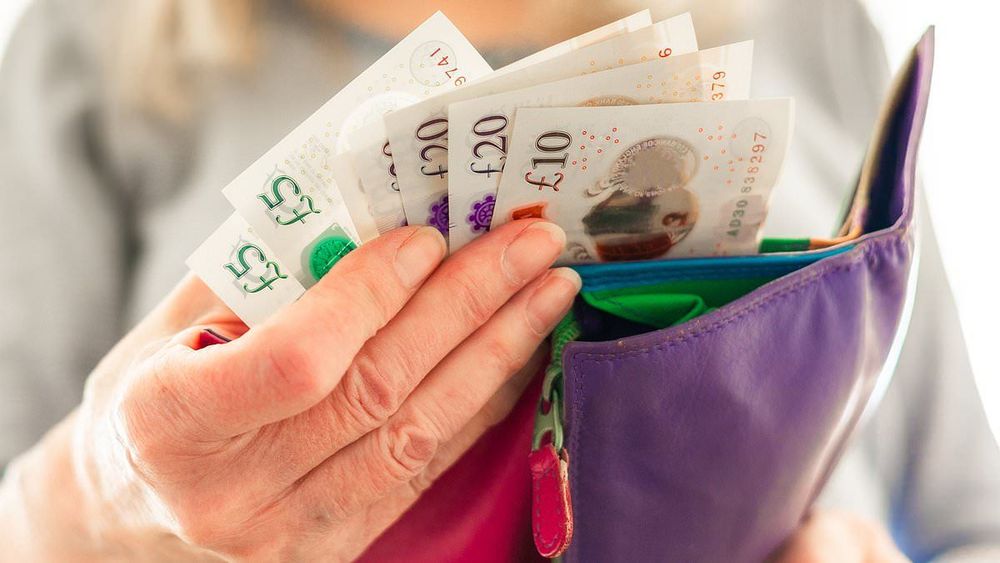
Keep emergency cash at home
Despite the trend towards digital payments, holding physical cash remains a crucial safeguard. With 57% of UK adults now registered for at least one mobile wallet service and contactless payments accounting for 75% of all Mastercard transactions in 2025, most people are wholly reliant on functioning electronic systems.
The Spanish blackout demonstrated what happens when those systems fail. As soon as affected ATMs came back online, cash withdrawals shot up as people refused to risk being caught out again. Withdrawing a modest amount now, before any disruption occurs, means avoiding the rush.
Even a small reserve of notes and coins could prove vital for purchasing essentials during a temporary outage. Financial experts recommend keeping enough to cover several days of basic expenses.
Open a second bank account
Having accounts with multiple banks provides a critical backup if one institution suffers technical problems or falls victim to a cyber attack. The Government's National Risk Register specifically identifies customers with only a single bank account as most vulnerable during banking disruptions.
Opening a second current account costs nothing, takes minutes online, and immediately creates a safety net. If your primary bank experiences an outage, you have an alternative means of accessing funds and making payments.
With 314 more branches already scheduled for closure in 2026, the window for in-person banking continues to narrow. Multiple accounts offer resilience in an increasingly digital-only landscape.
Stock essential supplies
Financial preparedness extends beyond money itself. Building a modest stockpile of essential items reduces the immediate need for cash or electronic payments during disruptions.
The Government launched its emergency preparedness website at gov.uk/prepare in May 2024, advising citizens on how to prepare for emergencies including floods, fires, power cuts and cyber attacks. The site recommends maintaining an emergency kit of items at home and provides guidance on what to do during various types of disruption.
Mike Chappell, who runs the UK Urban Prepper YouTube channel, advises everyone to have enough supplies to last at least two weeks. He points out that having food, water and other essentials already on hand removes the need to spend during a crisis.
With food inflation running high, purchasing non-perishable items in advance can even prove financially advantageous. Chappell notes that tinned goods bought 18 months ago have doubled in price, outperforming most savings accounts.
Memorise key contact numbers
Modern smartphones have made memorising phone numbers obsolete for most people, yet this creates vulnerability during emergencies. If your phone is lost, damaged or runs out of battery during a crisis, you may need to contact family or emergency services from another device.
Financial preparedness means ensuring you can reach help when needed. Taking a few minutes to commit essential numbers to memory, or writing them down and keeping them in your wallet, provides a low-tech backup for high-tech times.
These precautions represent a return to practices that would have been commonplace for older generations. As Chappell puts it, people today need to be more like their grandparents, who understood the importance of maintaining basic resilience.
None of these steps requires significant expense or effort, yet together they create multiple layers of protection against banking system disruptions. In an age of increasing digital dependence and mounting threats to infrastructure, taking action now could prove the difference between weathering a crisis and being caught unprepared.