The number of pensioners paying income tax has risen sharply, and the main cause is the long freeze on tax allowances and thresholds rather than any headline rate rise. Writing in September, before the Budget, Ruth Sunderland argued that targeting older people for more tax would be shameful, and rejected the idea that they are an under-taxed group living well at the expense of the young.
Sunderland said the case that pensioners are not paying enough tax does not stand up to the figures. Steve Webb, a former pensions minister now at consultancy LCP, made a Freedom of Information request and found that one million pensioners will pay the highest rates of tax this year. In 2021-22 the number was just under 500,000.
Across the board, about 9.6m Britons over pension age are now taxpayers, compared with 6.7m a decade ago. Three million more people over 65 pay tax than in 2021-22, when the basic personal allowance was frozen at £12,570.
The 'Big Freeze' and fiscal drag
Sunderland pins the trend on fiscal drag. The freeze on income tax allowances and thresholds was introduced by Rishi Sunak as Chancellor, then continued and extended by Jeremy Hunt and later Rachel Reeves. The freeze is often called a stealth tax because it leaves headline rates unchanged and so is not immediately obvious. Yet it takes more tax from millions of people as their incomes rise with inflation. They pay more even if their purchasing power has not grown, so living standards fall. Sunderland said the effect threatens to be particularly damaging for less well-off pensioners.
The Institute for Fiscal Studies says the freeze will continue until at least 2030-31. By then the allowance would have reached £17,440, a rise of £4,870, had it kept pace with inflation. The freeze was extended to April 2031 at the Budget of 26 November 2025.
Sunderland says three factors combine to push more older people into tax: an ageing population, the freeze and the triple lock. Under the triple lock the state pension rises by the highest of average earnings growth, consumer price inflation or 2.5%. From next April, she noted, people who rely solely on the full new state pension face being drawn into income tax for the first time. She said Reeves had promised help at her last Budget but little more had been heard.
What was promised, and what has followed
Reeves's pledge at the November 2025 Budget was that people receiving only the Basic or New State Pension would not have to pay small amounts of tax through Simple Assessment from April 2027. Critics pointed out that this covers only those whose sole income is the state pension.
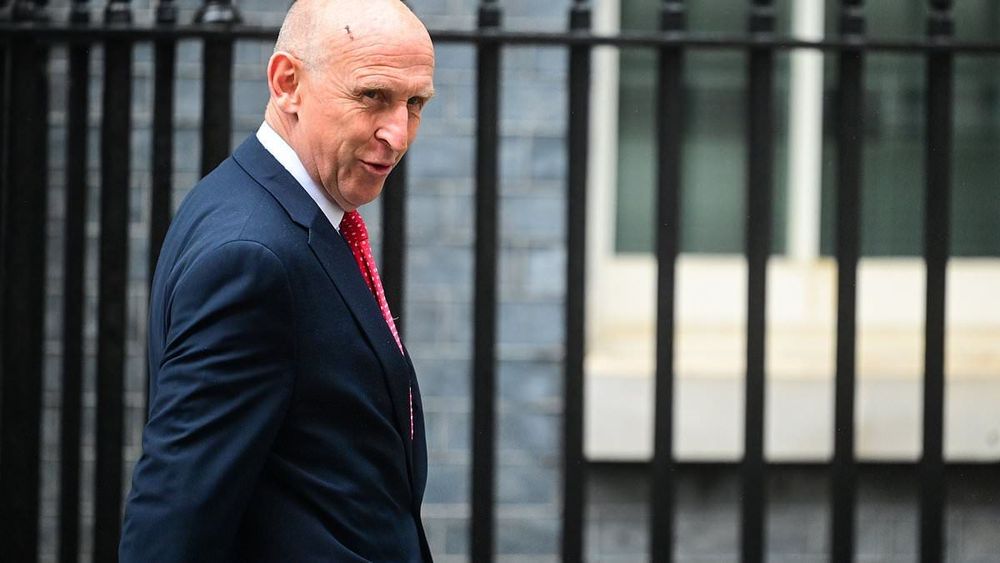
Chancellor John Healey has since set out his first Budget, on 28 October 2026. It introduced a 'Pension Tax Allowance', which removes the income tax liability for pensioners whose total income is no higher than the full new state pension. Money Marketing reports that it applies from 6 April 2027 to 5 April 2030, while City AM quotes Healey as saying such pensioners will not pay income tax 'in this Parliament'. Reports say about one million pensioners would otherwise have owed income tax on almost £500.
The arithmetic explains the problem. The full new state pension is due to rise 3.9% in April 2027 to about £13,036 a year, based on July's earnings growth under the triple lock. That is above the £12,570 personal allowance, which has not changed since April 2021. The Budget kept the freeze in place, with the higher-rate threshold at £50,270 and the additional-rate threshold at £125,140.
Wider concerns about pensions
Sunderland warned that an overstretched HMRC would struggle to administer millions of small tax bills sent to anxious pensioners. She also said Labour had already done enough damage to pensions, including by pushing some savings into the inheritance tax net. From 6 April 2027, most unused pension funds and death benefits will count towards a person's estate for inheritance tax. Amounts above the £325,000 nil-rate band can be taxed at 40%, while transfers to a spouse or civil partner remain exempt.
She urged Healey to end speculation that he would cut tax-free lump sums from pension pots, and said Reeves had allowed the rumours to run, prompting people to withdraw money against their own interests. Reports after the October Budget indicate the tax-free lump sum was left alone. Savers can still usually take 25% tax-free, capped at the £268,275 Lump Sum Allowance, which replaced the Lifetime Allowance from April 2024.
Alternative options put forward
Sunderland set out several measures she regards as more constructive:
- Making tax relief for pension schemes conditional on investing a set share in UK assets, to support growth in Britain.
- Allowing over-funded local authority retirement schemes to take a contribution holiday and invest the money in local needs such as social care or housing.
- Reforming public sector pensions, a large liability for the taxpayer, by offering new employees defined contribution plans, as most private sector workers have.
Her conclusion was blunt: trying to squeeze more tax from grannies and grandpas, she wrote, is not a good look for Labour.
The debate continues beyond the Budget. Prime Minister Andy Burnham has announced plans to dilute the triple lock from April 2030, so that the state pension would rise by the highest of inflation or 2.5%, subject to a further check against a smoothed measure of average earnings growth.