
Small businesses urge Burnham to ease cost burden as hiring slows to six-month low
Small businesses across the UK are calling on Prime Minister Andy Burnham to reduce operating costs as they grapple with a third consecutive quarter of declining sales growth and the slowest pace of hiring in six months.
New data from business software firm Xero, tracking 440,000 small businesses across the country, reveals sales rose by just 3.6 per cent year-on-year in the three months to June. This marks a sharp deceleration from 4.2 per cent growth in the previous quarter and 5.5 per cent in the final three months of 2025, falling significantly below the historic average of 8.5 per cent.
The slowdown comes as small firms, which represent 99.18 per cent of the UK's business population and support nearly half of all private sector employment, face mounting pressure from higher energy prices and continued economic uncertainty linked to the Middle East conflict.
Hiring grinds to a halt
Employment growth among small businesses slowed to 1.7 per cent during the quarter, the weakest hiring performance since the end of 2025. The healthcare sector recorded the strongest jobs growth at 3.8 per cent year-on-year, followed by real estate services and retail, both up 3.5 per cent.
The hospitality sector bore the brunt of the downturn, with hiring falling by 0.7 per cent as businesses struggle with rising labour costs and weaker consumer demand. Hospitality sales declined by 0.5 per cent year-on-year, while retail managed just 2 per cent growth.
Industry figures paint a grim picture of the sector's challenges. In the first quarter of 2026 alone, 161 pubs closed across England, Scotland and Wales, representing nearly two closures per day and a 26 per cent increase compared to the same period in 2025. The closures cost approximately 2,400 jobs. The second quarter saw an even sharper deterioration, with over 1,800 licensed hospitality outlets shutting their doors between April and June, equivalent to around 20 closures per day.
Tax rises squeeze margins
Business owners point to significant cost increases imposed by the previous government as a major factor constraining growth. The employer National Insurance rate rose from 13.8 per cent to 15 per cent from April 2025, while the threshold at which employers start paying was slashed from £9,100 to £5,000 per year. For a business employing someone on £20,000 annually, these combined changes add £746 to yearly costs, raising the total employer National Insurance bill from £1,504 to £2,250.
The National Living Wage also increased to £12.71 per hour from 1 April 2026, up 4.1 per cent from £12.21, adding further pressure on wage bills particularly in labour-intensive sectors like hospitality and retail.
We're constantly weighing up whether to reduce our team. We provide income to 50 people employed across our businesses, but the support for businesses that are improving their communities isn't there. We'd love to see some control on food prices, a cut in VAT for hospitality, and grants or government-backed loans would make a real difference right now.
Kyle Hyams, owner of Orla's Coffee & Gelato and Aoife's Gelato, said staff and produce costs have never been higher.
The government has provided some relief through the Employment Allowance, which increased to £10,500 from April 2025, with the £100,000 eligibility cap removed to support more businesses. However, many firms say this does not go far enough to offset the cumulative impact of tax and wage increases.
Calls for urgent action
Kate Hayward, UK managing director of Xero, warned that the situation should serve as a wake-up call for the new Labour government.
Things aren't improving for our small business economy. Even the warmer weather in June hasn't given our retail and hospitality sectors the boost they so desperately needed. We're seeing businesses holding back on hiring and growth, and all of this pressure is being compounded by payment times creeping up and rising fuel costs. It's not sustainable.
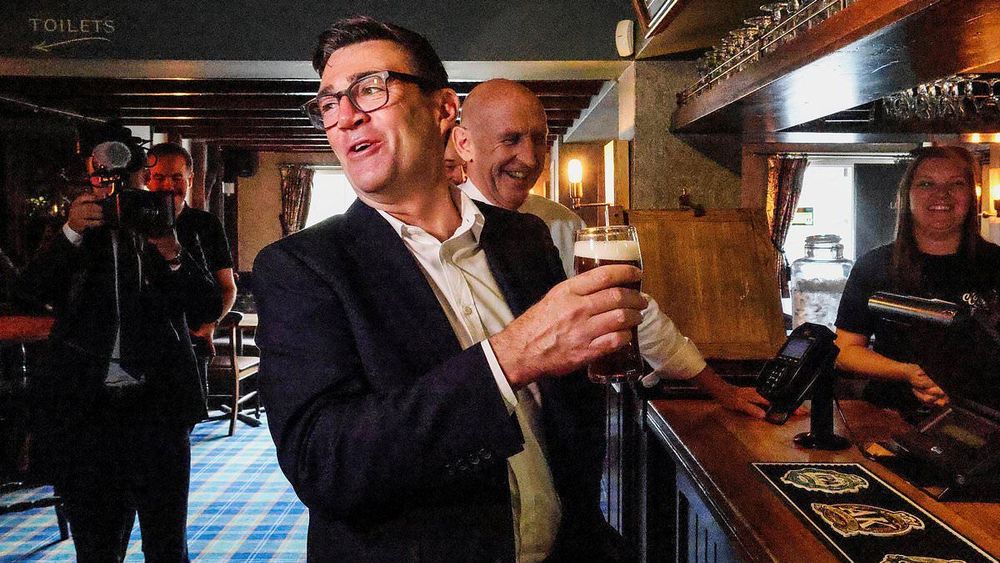
Last week, Burnham announced a 20 per cent reduction in business rates for pubs, clubs and live music venues, but the relief excluded hotels, restaurants and cafes, leaving many hospitality businesses feeling overlooked.
Hayward said the upcoming Autumn Budget will be a critical test of whether the government backs its pro-small business rhetoric with meaningful action.
We need policies that restore small business confidence, improve cash flow and create the conditions to invest, hire and grow.