Horne warns of a surge in incidents
Speaking after an address marking the release of his agency's annual report, Horne described the supermarket attacks as "just the foothills, as it were," Reuters reported. The National Cyber Security Centre (NCSC) is part of Britain's GCHQ intelligence service.
"There are so many vulnerabilities out there that in some ways you could say are waiting to be exploited. The most serious risk we face in the short term is just a huge rise in the volume of incidents."
The report, "State of the Cyber Nation," was published on November 3, 2026. It warns that a ransomware attack using AI-powered malware against Britain's critical national infrastructure is "highly likely" by 2028.
Refrigeration attacks force stores to discard food
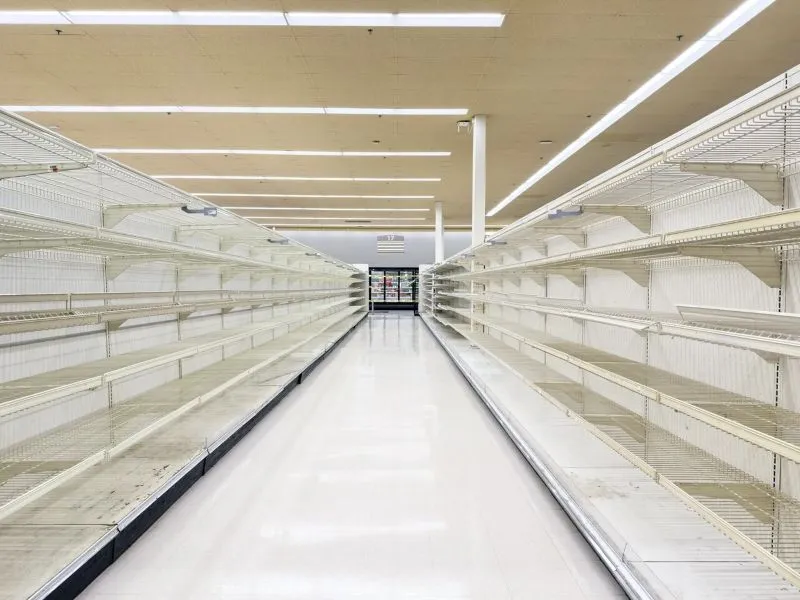
Hackers disrupted grocery-store refrigerators and freezers on Monday, November 2, forcing retailers from Sweden to France, including Belgium, to throw out large quantities of food. AFP identified at least nine affected countries: Belgium, Estonia, Finland, Ireland, Italy, Luxembourg, the Netherlands, Portugal and Sweden.
Attackers reportedly put refrigerators and freezers into "defrost" mode overnight, with temperatures reaching as high as 50°C (122°F), according to The Register.
EU food and agriculture commissioner Christophe Hansen said the bloc was taking the incidents "very seriously." He described them as "a deliberate attempt to disrupt our food supply chain and undermine consumers' confidence in it."
The disruption followed a similar attack on French grocery stores about three weeks earlier, in mid-October 2026. Hundreds of stores had to dispose of spoiled stock in that earlier attack.
Retailers describe exposed systems
Belgian refrigeration company Sabcobel said it began securing its installations after the October attack in France. The work was not complete when the November attack struck, and some systems still awaiting upgrades were affected.
Swedish grocery chain Coop said the affected stores used a 4G mobile network rather than the newer 5G system. The company said that left them "more exposed" to hackers.
Another Swedish chain, ICA, said all of its affected stores used an external refrigeration control system supplied by Danish manufacturer Danfoss. The same supplier was targeted in the October 12 attack on French retailers.
Reports on that French attack noted outdated firmware on some affected stores' Danfoss refrigeration controllers. France's CERT-FR also issued an alert concerning compromises of numerous Danfoss AK-SM and AK-SC controllers.
Britain's infrastructure warning and new investment
Horne had outlined the scale of the threat at RUSI's Annual Security Lecture on June 17, 2026. He said the NCSC handled more than 200 incidents involving UK critical national infrastructure and its supporting ecosystem in the year to May 2026. About 75% were believed to have links to state actors.
Alongside the November report, the UK government announced additional cyber defense investment: £60 million for the first phase of a national "Cyber Shield" and £70 million for a new National Exposure and Real-Time Vulnerability (NERV) Centre to identify vulnerabilities across critical infrastructure.
The government also announced a new AI Cyber Security Centre of Excellence in Manchester, to be run by the NCSC.