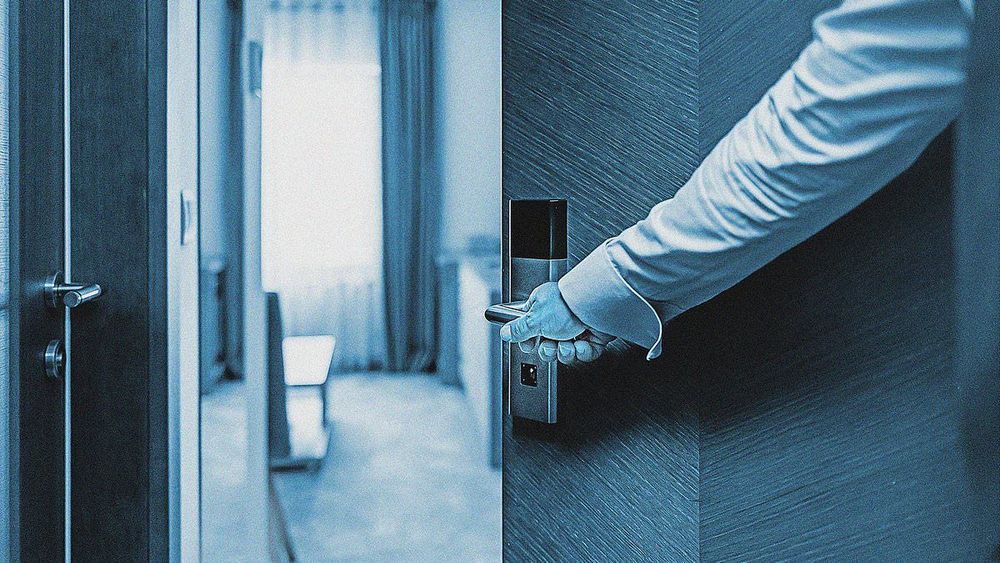
Security Failures at Travelodge Hotels Expose Women to Serious Risk
A series of alarming security breaches at Travelodge hotels has exposed serious failures in guest protection, with multiple women reporting that strangers were given keys to their rooms by reception staff.
The budget hotel chain, which operates over 600 hotels with approximately 49,000 rooms across the UK, Ireland and Spain and welcomes over 22 million guests annually, has faced mounting scrutiny following several high-profile incidents where women were attacked after men gained unauthorized access to their rooms.
Criminal Cases Highlight Security Lapses
In December 2022, Kyran Smith was given a key to a woman's room at a Travelodge in Maidenhead after claiming to be her boyfriend. He was later jailed for seven-and-a-half years for sexual assault. The incident sparked questions about staff training and verification procedures at the chain.
The problems continued into 2025. In October, a domestic abuse victim staying at a London Travelodge was allegedly assaulted after her abuser claimed she was having a seizure and was given a key to her room by reception staff. The case demonstrated that security issues persisted despite earlier incidents.
Political and Public Response
The incidents prompted widespread concern among politicians. More than 20 MPs sought discussions with Travelodge about its security procedures. In March 2026, Prime Minister Keir Starmer described one assault case as absolutely shocking in the House of Commons.
In August 2026, CEO Jo Boydell stepped down following scrutiny over the multiple security incidents involving unauthorized room access, ending a 13-year tenure at the company.
Company Response and Changes
Travelodge commissioned an independent review led by barrister Paul Greaney KC into its room access security policies. The company has since updated its policy to require explicit permission from registered guests before issuing additional keys.
The hotel chain completed a full deadbolt audit across all UK rooms to ensure all key-card operated doors have a secondary deadbolt facility. Additionally, 12,000 customer-facing employees have received training on updated security procedures.
Senior executives are now undertaking a training programme developed in partnership with a Violence Against Women and Girls expert, who is also reviewing existing policies and procedures.
Industry-Wide Implications
The incidents have prompted broader action across the hospitality sector. UKHospitality, the industry body, described the cases as extremely serious and has been developing updated guest security guidance in consultation with government officials.
The security concerns come as the UK hotel industry faces new legislative requirements. The Terrorism (Protection of Premises) Act 2025, known as Martyn's Law, introduces mandatory security measures for hotels with capacity over 100 people, with enforcement expected around 2027.
The Travelodge cases have raised fundamental questions about guest safety in budget accommodation and whether existing protocols are adequate to protect vulnerable individuals, particularly women fleeing domestic abuse or traveling alone.