Bank of England holds rates at 3.75% despite rising inflation - but markets price in four hikes by end of 2027
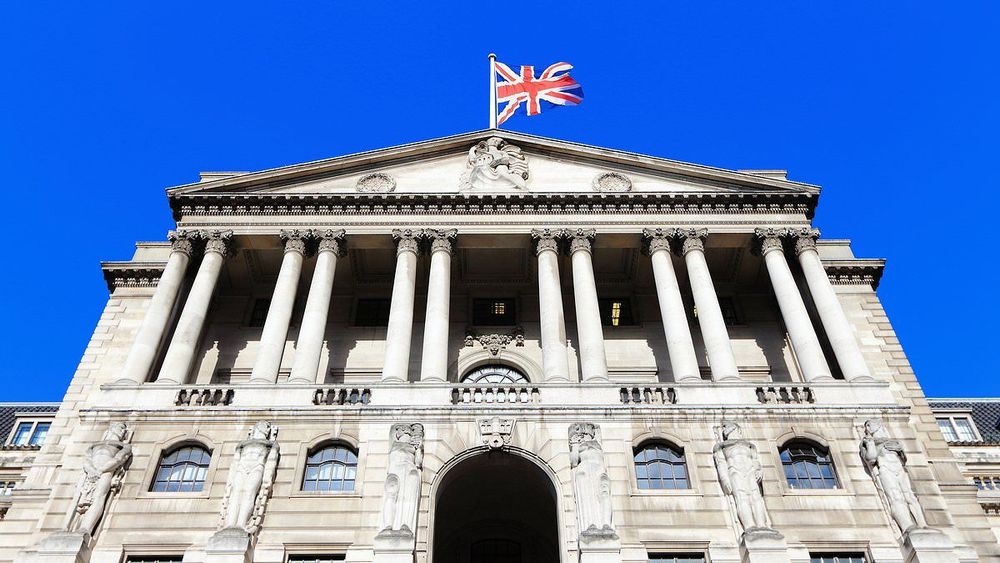
The Bank of England maintained interest rates at 3.75% on Thursday despite inflation climbing to a five-month high, but the decision exposed deep divisions among policymakers over how to respond to mounting price pressures.
The Monetary Policy Committee voted 6-3 to hold rates steady, with three members - Megan Greene, Catherine Mann and Huw Pill - voting for an immediate 0.25 percentage point increase to 4%. The split vote underscores growing concern within the central bank about persistent inflation risks.
The decision came as new figures from the Office for National Statistics showed consumer price inflation accelerated to 3.1% in August, driven by a dramatic surge in fuel costs linked to the ongoing conflict between Iran and the US-Israel coalition. The war has effectively closed the Strait of Hormuz, through which over 20% of global oil trade normally passes, sending crude prices soaring.
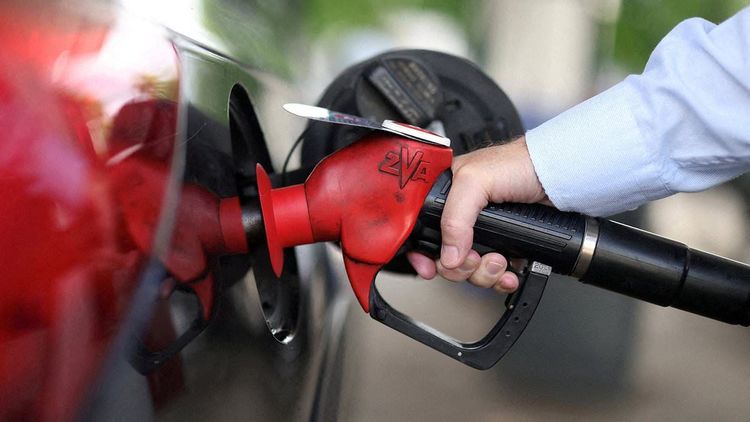
Petrol prices jumped 9.1 pence per litre between July and August to reach 161.3 pence, while diesel increased by 14.2 pence to 181.8 pence per litre. Motor fuel inflation surged to 23.0%, up from 15.5% the previous month.
However, core inflation - which excludes volatile food and energy prices - remained unchanged at 2.6% for the fourth consecutive month, down from 3.1% at the beginning of the year. This stability suggests inflationary pressures beyond energy may be moderating, though economists warn this could change.
The decision to hold rates marks a shift in the Bank's recent policy trajectory. Between August 2024 and December 2025, the central bank had cut interest rates by a total of 1.5 percentage points as inflation appeared under control. That easing cycle now appears firmly on pause.
Energy bills set to surge
The decision comes amid warnings that household energy costs could spike dramatically in the new year. The current Ofgem price cap stands at £1,723 per year for a typical dual fuel household paying by Direct Debit, representing a 4% increase from the previous quarter's £1,663.
Multiple forecasters now predict the January-March 2027 price cap could range between £1,872 and £2,165 per year. Bloomberg Economics projects a 25% spike, while EDF has forecast a 30% increase that would push the cap to £2,165. Such increases would add significant pressure to household budgets already strained by elevated inflation.
Brent crude oil prices were trading above $100 per barrel in early September, having rebounded from a July dip to around $70. The commodity had surged from approximately $72 per barrel in late February to peaks near $118 in March following the outbreak of hostilities. Vessel traffic through the Strait of Hormuz has collapsed by 95%, from over 100 ships per day to just 5 to 12.
Markets bet on rate rises ahead
Despite Thursday's hold decision, financial markets are pricing in a significant tightening cycle ahead. Investors now see just a one in five chance of a rate cut, and instead expect four quarter-point increases by the end of 2027, though this is down from expectations of five hikes earlier in the week.
UK government bond yields eased back from recent peaks on Wednesday, with ten-year gilt yields falling close to 5.28% after spiking to a 19-year high of nearly 5.44% earlier in the week.
The Bank's decision followed the Federal Reserve's move to raise US interest rates by 0.25% on 16 September, marking the first American rate increase in three years. The Fed, under Chair Kevin Warsh who was appointed by President Donald Trump and assumed office on 22 May, lifted its benchmark rate to a range between 3.75% and 4%.
Economists warn of further pressure
Economists at Nomura said the latest inflation data 'cements an unchanged Bank rate decision' but warned that inflation looks set to move higher in coming months, 'increasing the pressure on the MPC to raise rates'.
James Sproule, chief economist at Handelsbanken, predicted the Bank would 'set out a clear path that it intends to tighten at the next meeting on November 5'.
Sanjay Raja, chief UK economist at Deutsche Bank, warned that inflation is 'on the ascent with an unknown destination'. He pointed to the expected Ofgem price cap rise of more than 20% in January and an anticipated upturn in food price inflation caused by recent heatwaves, drought and the El Niño weather event.
Raja added that the Bank's projections suggest consumer price inflation could approach 4% around the turn of the year.
For the Bank of England, its job to keep inflation at 2% has become harder. Risk management considerations have become stronger, and the likelihood of rate hikes have strengthened of late.