
Spouse left out of will faces uncertainty over inheritance and care fee liability
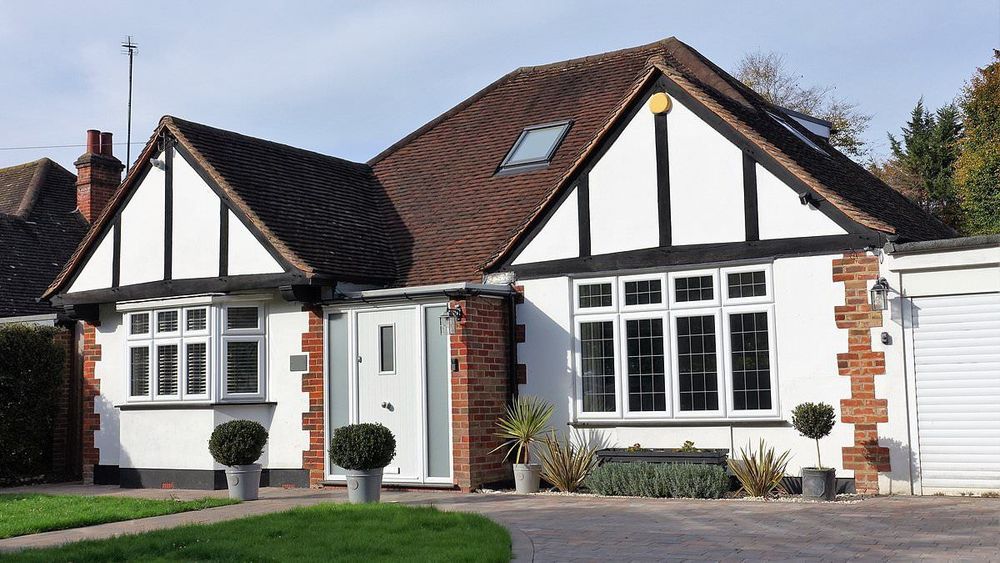
A woman married for a decade has raised concerns after discovering her husband intends to disinherit her completely, selling their bungalow to give the proceeds to his children from a previous relationship while moving them both into rented accommodation.
The couple, both in their 80s, live in a property solely in the husband's name, despite the wife having funds available when they purchased it. The husband, who pays most bills and actively spends down his savings, has told his wife he plans to liquidate the asset so his children can receive their inheritance now, leaving her with no provision in his will.
The wife's primary question centres on whether she would become liable for topping up care home fees if her husband later requires residential care, given his children will have already received and likely spent the money.
Protection for surviving spouses
Legal experts at Kingsley Napley explain that whilst people in England and Wales are generally free to leave their estates to anyone they choose, surviving spouses have significant protections if they are not adequately provided for.
Under the Inheritance (Provision for Family and Dependants) Act 1975, a surviving spouse can bring a claim against an estate for reasonable financial provision. Importantly, any such claim must be issued within six months of the grant of probate or letters of administration being issued, making swift legal advice essential.
For surviving spouses specifically, courts apply a more generous standard than for other claimants. Rather than being limited to basic maintenance needs, judges can consider what the spouse might have received in a divorce settlement, taking into account their standard of living and reasonable expectations during the marriage.
Alternative arrangements are commonly used in second marriages to balance the interests of a surviving spouse and children from previous relationships. These include life interest trusts or rights to occupy property during the spouse's lifetime, with capital ultimately passing to the children after their death.
Potential property rights despite missing name on deeds
The fact that the wife's name does not appear on the legal title does not automatically mean she has no rights to the property. If she can demonstrate she made financial contributions towards the purchase price, mortgage payments or major improvements, she may have acquired a beneficial interest in the property.
Bank statements and financial records showing such contributions can serve as crucial evidence in establishing this type of claim. The wife indicated she had money available and wanted her name on the deeds when they acquired the bungalow, which could potentially support a beneficial interest claim if she contributed financially.
Additionally, as a spouse living in the matrimonial home, she may be able to protect her occupation rights by registering Home Rights at HM Land Registry using Form HR1. This registration is free of charge and does not require the husband's consent, though he would be notified of the application. Whilst this would not give ownership, it could prevent a sale without her knowledge and secure her right to occupy the property whilst the marriage continues.
Care fees and deliberate deprivation
Regarding future care costs, if the husband sells the property and gifts the proceeds to his children, the local authority may well consider this deliberate deprivation of assets if they believe he intentionally reduced his wealth to avoid care home fees. This risk is particularly acute given his age and the fact that the transfer would be to family members.
A common misconception is that a seven-year rule applies to such gifts, but this relates only to inheritance tax, not care fee assessments. Local authorities have no time limit for investigating deliberate deprivation and may treat it as such regardless of how long ago the assets were given away.
When deliberate deprivation is established, the local authority can treat the person as still possessing the value of those assets when carrying out a financial assessment. In England, individuals with assets above £23,250 must pay the full cost of their care, whilst those below £14,250 face no charges. Between these thresholds, partial contributions apply.
With average care home costs currently running at approximately £1,300 per week for residential care and £1,535 per week for nursing care—translating to annual costs of around £67,600 and £79,800 respectively—the husband's pension income alone might well prove insufficient.
If found to have deliberately deprived himself of assets, he could be assessed as liable to fund his own care in full despite having no remaining funds, creating a severe financial predicament.
Spouse's liability for care costs
Crucially, when a local authority carries out a financial assessment for care funding, it assesses only the individual requiring care. A spouse's savings, assets and income are entirely excluded from that means test, regardless of their wealth.
The wife would not be liable for her husband's care costs, nor would his children bear responsibility, even if they had already received and spent the house sale proceeds. This assumes no deliberate deprivation finding, though under section 70 of the Care Act 2014, local authorities do have specific powers to pursue asset recovery directly from third parties who received gifts through deliberate deprivation in certain circumstances, particularly if care begins within six months of the transfer.
If the local authority concludes deliberate deprivation occurred but refuses to fund the shortfall, this would be a problem of the husband's own making rather than one falling on his wife.
Legal experts strongly recommend the wife consults a solicitor, either independently or jointly with her husband if he proves willing to discuss these matters. She should gather any records showing financial contributions to the property purchase. If seeking impartial guidance before taking legal advice, Age UK's free advice line on 0800 055 6112 offers specialist staff who can discuss individual financial situations and suggest sources of help.