
Richard Hammond's £2m Welsh manor renovation faces new obstacles over archaeology and river pollution concerns
Television presenter Richard Hammond's extensive renovation plans for his £2 million Welsh manor have hit another snag, as archaeological experts and environmental regulators raise concerns about the project's potential impact on historic remains and a protected waterway.
The 56-year-old former Top Gear host, who purchased the six-bedroom Grade II-listed Georgian property in Llanwenarth, Monmouthshire in March, now faces scrutiny from The Trust for Welsh Archaeology and Natural Resources Wales (NRW) over his ambitious makeover plans.
The latest complications come just two weeks after Hammond vowed to 'find a way to share' the manor with eight bat species discovered living on the property, which had already thrown the project into doubt.
Archaeological concerns
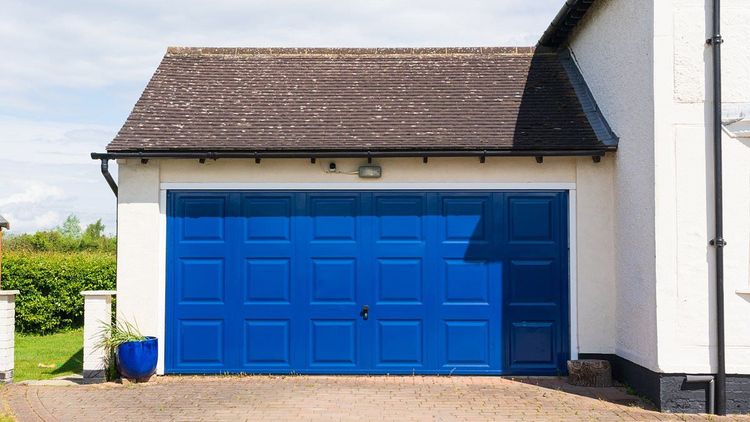
The Trust for Welsh Archaeology has flagged potential issues with Hammond's plans for a new garage building, which would be situated within the area of a former kitchen garden and earlier glasshouse outbuildings. The house itself dates back to 1817, with extensions added during the 19th and 20th centuries.
While the trust has no objections to demolishing the later additions, it has raised concerns about the garage location. Historical Ordnance Survey mapping shows traces of former pathways in the area, which remain visible on modern aerial photography.
In planning documents, the trust stated there is 'potential for earlier remains and features, especially associated with the kitchen garden, to be encountered during any groundworks undertaken within this area.' To address this, archaeologists are requesting a detailed written scheme of investigation for archaeological work, to be conducted by an accredited professional before construction begins.
Grade II listed buildings are designated as structures of special interest which justify every effort being made to preserve them. Over 90% of listed buildings in England fall into this category, and Listed Building Consent must be obtained before any alterations can proceed. Such renovations typically cost 15-40% more than equivalent work on non-listed properties due to requirements for specialist materials, traditional techniques, and additional regulatory compliance.
Environmental protection concerns
Natural Resources Wales, the statutory environmental regulator responsible for protecting designated sites and regulating construction pollution across Wales, has expressed concerns about potential water pollution from the renovation work.
The manor sits near a watercourse connected to the River Usk, which holds the designation of both a Site of Special Scientific Interest and part of the River Usk Special Area of Conservation (SAC). The river is protected for several rare fish species including three types of lamprey, twaite shad, bullhead, and Atlantic salmon, as well as otter populations.
The environmental situation is particularly sensitive as the River Usk has been identified as having severe water quality issues, with 88% of its water bodies failing to meet phosphorus targets, making it the worst performing SAC river in Wales for excessive phosphate.
In a letter to Monmouthshire Council, NRW stated:
We have concerns that an adverse effect from the proposed development on the SAC cannot be ruled out due to the potential for construction pollution to impact water quality of the river.
The regulator is requiring Hammond to submit a Construction Environmental Management Plan (CEMP) before any work can commence. This must include a construction timetable, management plan, and demonstration of pollution prevention measures. Such plans are standard requirements for developments near Special Areas of Conservation to protect designated sites.
NRW warned the council that they 'consider the proposed development has the potential to damage the River Usk SSSI' and advised the local authority, as the Competent Authority, to satisfy itself that the development will not result in a significant effect on the SAC.
The bat complication
The archaeological and environmental concerns add to existing challenges posed by protected bat colonies on the property. Three dusk surveys detected eight species of bats, including brown long-eared, common and soprano pipistrelle varieties.
All 18 species of UK bats are protected under the Conservation of Habitats and Species Regulations 2017 and the Wildlife and Countryside Act 1981. It is a criminal offence to deliberately disturb bats, damage their roosts, or obstruct access to roosts, even when bats are not present.
Photos submitted to Monmouthshire council show bat activity in and around a stone barn that Hammond plans to convert into a bar. Surveyors found access and exit points among the roof tiles. The report warned that unless preventative measures are taken, the work could cause loss or disturbance of roosts, and stated Hammond must obtain a protected species development licence before work can proceed.
Despite the obstacles, Hammond has expressed determination to move forward. Speaking to the BBC, he said:
If I have to share it with the bats, I'll find a way of sharing it with the bats.
The renovation plans
Hammond's vision for the property includes extensive additions: a heritage-style showroom to house his car collection, a library, and a memorabilia gallery. He also plans to replace the tennis court with a padel court and pavilion.
The presenter, who survived a near-fatal crash in 2006 while filming Top Gear when he was injured driving a jet-powered car at 288 mph, purchased the manor following his separation from his wife Mindy. The couple, who married in 2002, announced their split in January 2025 after 28 years together.
Natural Resources Wales, which oversees more than 40 different types of regulatory regimes in Wales, has made clear that it is ultimately up to Monmouthshire Council to make the planning decision regarding the development's impact on the protected conservation area, but the council must ensure all environmental safeguards are in place before granting approval.