Hoyle challenges repair restrictions
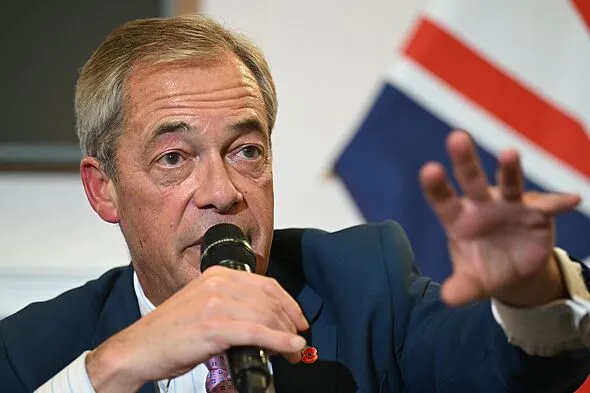
The House of Commons Speaker said Parliament must approve the entire project's scope and funding before the main renovations can start. Speaking to BBC Radio 4's The Week in Westminster, he described that restriction as "putting ourselves in handcuffs".
"Instead of doing surveys, why don't we start repairing the building?" Hoyle asked. He said his "biggest frustration" was that "we're not getting on with the work".
Hoyle also pressed for wider installation of a fire-suppressing mist system, something he said he had sought for years. "The major part and the most historic parts of the building haven't got it, and that's what we need," he said.
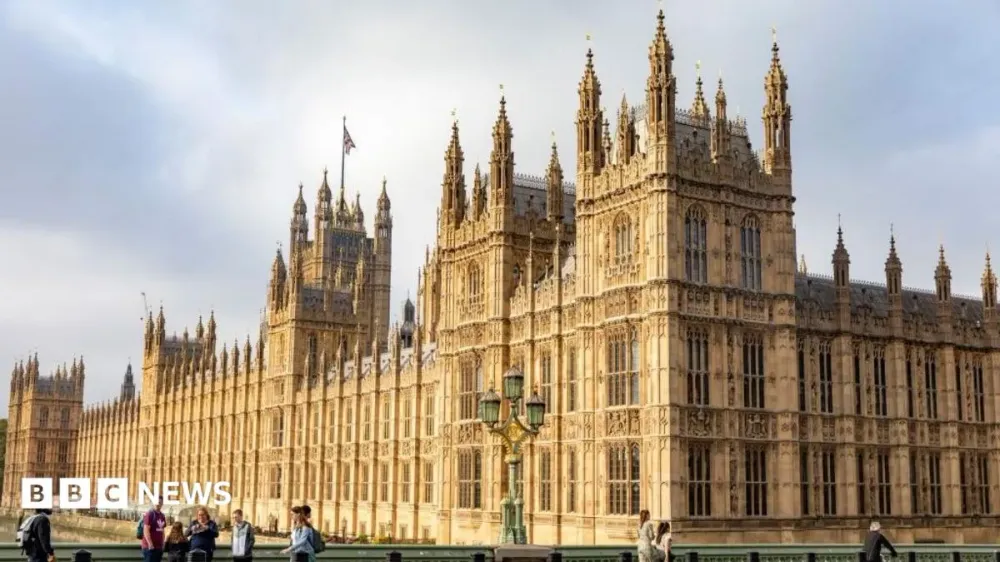
The Palace's aging infrastructure includes extensive wiring and pipework from the 1940s, with some dating to the Victorian era. A report published a decade ago warned of an "impending crisis". Fire safety problems and high levels of asbestos have also been identified.
The Commons Public Accounts Committee said this week that restoration had reached "crunch time", warning of costs reaching £40 billion and a timetable stretching to 61 years. Its chair, Sir Geoffrey Clifton-Brown MP, warned that the Palace remained vulnerable to a devastating fire like the one at Notre Dame.
An unscheduled vote and mounting costs
Government whips have discussed a debate and vote by the new year, according to the BBC, but nothing has been scheduled. Lawmakers would decide whether to authorize up to £3 billion in initial work and reduce the four options under consideration, with a final decision due by 2030.
Asked whether a vote could take place before the end of 2026, Hoyle said scheduling was for government business managers. "Who knows when it's going to come forward? Let's see what the House decides," he said.
The committee estimates that each additional year of delay costs taxpayers £420 million. Its November 4, 2026, report says postponing the vote from beyond summer to the end of 2026 has already increased the program's estimated cost by up to £290 million. If debates move into early or mid-2027, the additional cost could exceed £479 million.
Routine upkeep is also becoming more expensive. The committee puts current Palace maintenance spending at about £1.5 million a week and expects it to rise to £2 million.
Earlier this year, the chair of the body overseeing Parliament's refurbishment defended the potential restoration costs, telling the BBC: "We're already spending £150m a year trying to keep the thing standing."
The committee's findings appear in "Restoration and Renewal of Parliament: Costing and governance", its Nineteenth Report of Session 2026–27.
Four approaches to the work
The committee's detailed options span different costs, schedules and arrangements for keeping Parliament operating. Full Decant, which would move both MPs and peers out, is estimated at £11.1 billion to £15.6 billion over 19 to 24 years.
Continued Presence would relocate the Lords while allowing the Commons to keep using a chamber inside the Palace. The report estimates that approach at £14.4 billion to £22 billion over 33 to 45 years.
Enhanced Maintenance and Improvement would divide the Palace into 14 zones, with an estimated cost of £23.3 billion to £56.3 billion and a duration of 52 to 84 years. The Enhanced Maintenance and Improvement plus option is estimated at £19.5 billion to £39.2 billion over 38 to 61 years.
The proposals described by the BBC include moving MPs and peers out from 2032 for as long as 24 years, at a cost of up to £15.6 billion. Another would move only the Lords out, cost £39 billion and take 61 years.
Temporary accommodation presents a separate scheduling problem. Under the relocation plans, the Commons would use Parliament's Northern Estate and the Lords would move to the Queen Elizabeth II (QE2) Conference Centre. But the committee says the Northern Estate refurbishment cannot provide temporary accommodation before 2034, compared with the original 2032 target for moving everyone out.
The committee described the accommodation-related estimates as "very high": about £417 million to refurbish the QE2 Centre for the Lords and about £2 billion for the Commons Building Infrastructure Portfolio.
Unpriced work and oversight proposals
Within the £3 billion Phase One package, roughly £500 million remains unallocated, both for work awaiting estimates and for contingency. The committee identified three areas still to be priced: riverside security; isolating, decommissioning and relocating essential Palace services; and restoring the medieval cloister court.
Parliament first voted in 2018 to leave the Palace while restoration took place. The committee now recommends that the government propose a dedicated Restoration & Renewal Select Committee. It also wants the Delivery Authority to assess whether a "competitive dialogue" procurement approach could improve certainty about costs and schedules.