A Different Message After the Vote
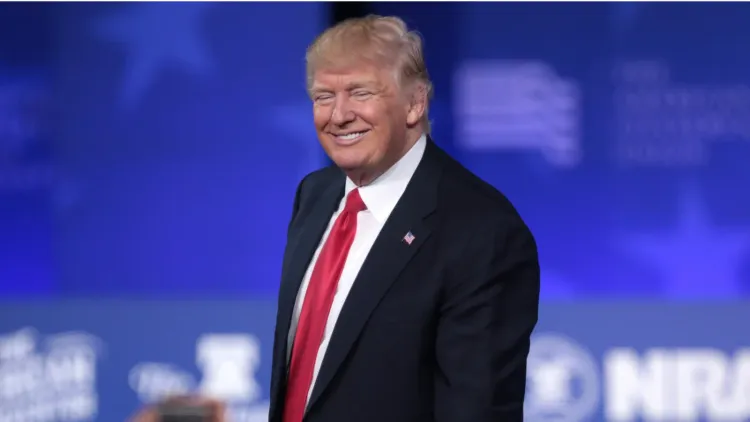
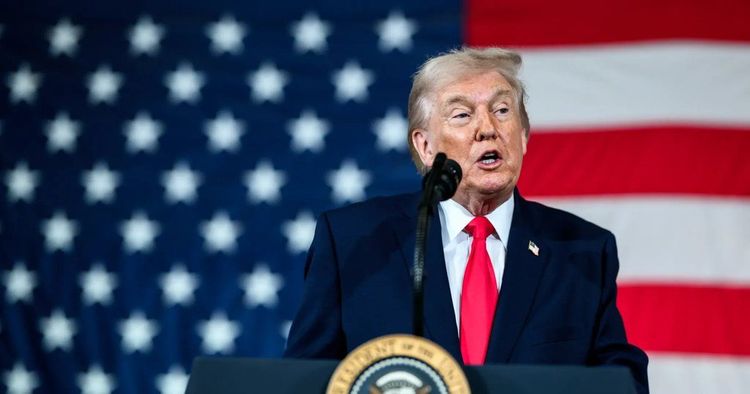
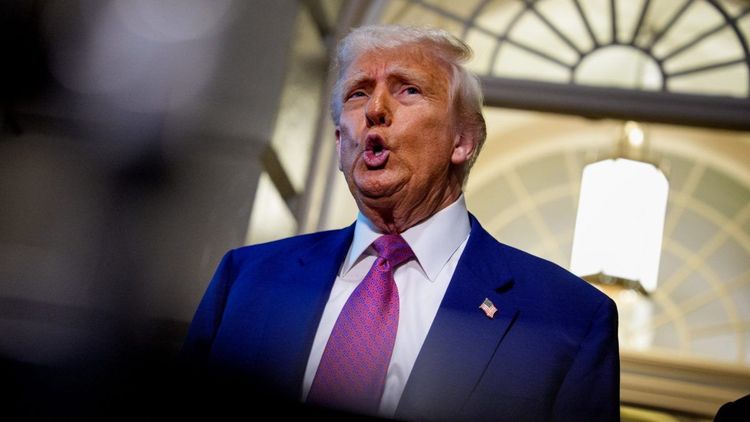
As the results came in, Trump posted on Truth Social: "I wasn't on the Ballot and if I was, we would have won IN A LANDSLIDE!" Axios reported the statement.
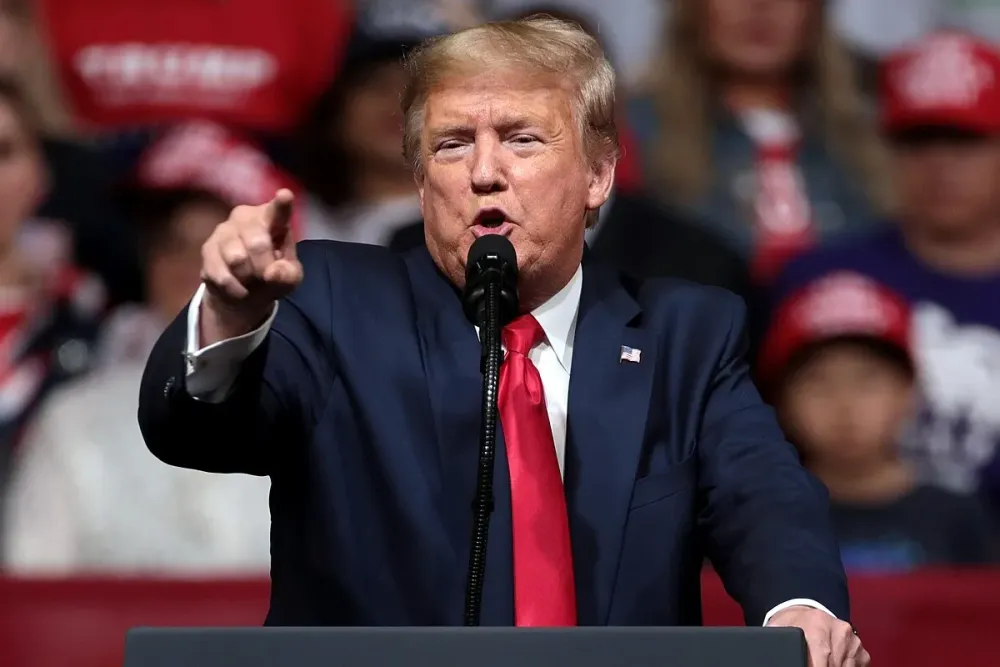
A day before the election, his appeal had been to imagine precisely that. During a November 2 virtual rally for South Carolina candidates, Trump said, "Get out and vote tomorrow and pretend I'm on the ballot." A Roll Call transcript recorded the remarks, and The Washington Post counted more than 41 similar appeals before Election Day.
Republicans had also put Trump at the center of a September midterm convention in Dallas. Republican National Committee Chairman Joe Gruters called the event "Trumpapalooza."
In a post-election Fox News interview, Trump again attributed Republican candidates' difficulties to his absence from the ballot. According to CBS News, he also said his supporters "didn't like the candidates." Asked whether he would accept the results, he replied, "Yes, sure I'll accept them".
White House advisers argued that Trump had done more to promote some candidates than those candidates had done themselves. House Speaker Mike Johnson pointed to the historical challenges facing a president's party in midterms, while Senate Majority Leader John Thune defended the party's legislative record.
Democratic Gains Reach Republican Strongholds
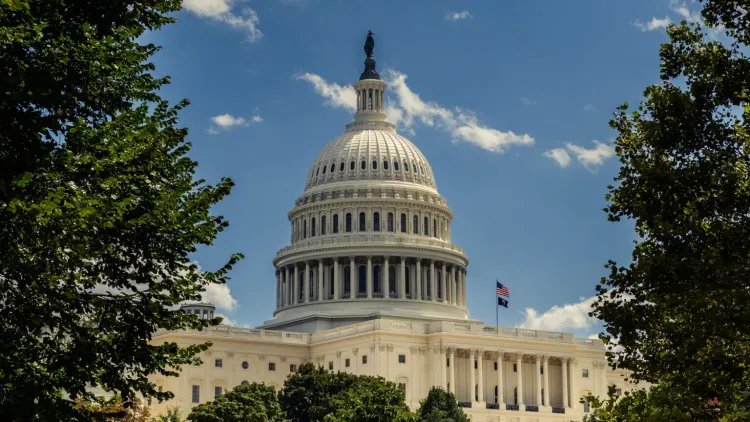
By Wednesday, November 4, Democrats had flipped seven Senate seats and at least 25 House seats, The Washington Post reported. Those totals remained provisional, with several races unresolved. WTOL (TEGNA) reported that, since World War II, both chambers had changed to the same party in a single midterm only three times before 2026: in 1946, 1994 and 2006.
Texas delivered one of the most notable Republican defeats. Democrat James Talarico beat Trump-backed Ken Paxton in a state Trump had carried comfortably in 2024. According to CBS News and The Hill, Talarico became the first Democrat elected to the U.S. Senate from Texas since 1988.
CBS News reported that Elon Musk spent hundreds of millions of dollars supporting Republican congressional candidates, including more than $150 million on Paxton's campaign. Talarico said the outcome sent Musk the message that "Texas is not for sale".
Kansas voters elected Democrat Adam Hamilton over Republican Sen. Roger Marshall, making Hamilton the state's first Democratic senator since 1932, according to CBS News and the Associated Press. In Maine, Democrat Troy Jackson unseated five-term Republican Sen. Susan Collins, bringing her roughly 30-year Senate career to an end, CBS News and The Hill reported.
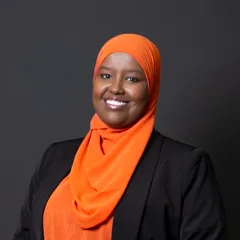
Democrats also won in South Carolina and North Carolina, where former Gov. Roy Cooper defeated Republican Michael Whatley. In Michigan, Abdul El-Sayed defeated Republican Mike Rogers and became the first Muslim elected to the U.S. Senate, according to CBS News.
In Iowa, Democrat Josh Turek defeated Trump-endorsed Ashley Hinson. Hinson had broken with the administration on some issues: Iowa Public Radio reported that she criticized Trump's reduction of tariffs on imported beef, while supporting other tariffs, and called for an immediate end to the Iran war.
Polling Had Signaled Dissatisfaction
Before the vote, an ABC News-Washington Post-Ipsos survey published October 20 put Trump's job approval at 33%, with 66% disapproving. Approval of his handling of the economy stood at 28%, while 27% approved of his approach to Iran. The same survey found that 59% preferred Democratic control of Congress as a check on his presidency.
CBS News reported that exit polls put Trump's approval at 38%, potentially the lowest rating for a president in a midterm election. Reuters identified living costs, tariffs and the Iran war as prominent election concerns. Exit polling also showed that many voters wanted Congress to impose stronger checks on presidential power.
Republican consultant Mike Murphy described the result as "a complete repudiation of the party as defined by Donald Trump," according to The Washington Post. That was an assessment from within Republican circles, not an explanation of every voter's choice; the polling likewise did not establish why each candidate won or lost.
A New Congress and a Veto Threat
Democratic control will give the party greater power to investigate the administration, examine government decisions and challenge presidential appointments. House Democratic leader Hakeem Jeffries is expected to become the first Black speaker when Congress convenes in January 2027, according to WTOL and The Hill.
Trump will retain the power to veto legislation during his final two years in office. According to CBS News and the Associated Press, he has vowed to veto Democratic legislation and shared an image of a red cap bearing the word "VETO".