Best cheap cars for students: Nine used motors for less than £3,000 to take to university
Students preparing for university face a daunting list of expenses, but transport doesn't have to break the bank. While the average used car in the UK now costs £17,294, according to data from Autotrader covering 800,000 daily observations across the retail market, there remains a healthy selection of reliable vehicles available for under £3,000.
With more than 4.02 million used cars changing hands during the first six months of 2026, the market for affordable student transport is thriving. Cars aged 10-15 years old, which typically fall within this budget bracket, have actually seen strong demand, with retail prices growing 6.9% year-on-year to an average of £7,183 in August 2026.
However, finding the right car is only half the battle. Students aged 17-24 face average annual insurance premiums of £1,060 to £1,099, nearly double the UK average of £566 per year. This makes choosing a vehicle in a low insurance group crucial for keeping overall costs manageable.
What to expect at this price point
At the £3,000 mark, buyers typically choose between vehicles that are 10-15 years old with lower mileage, or slightly newer models with higher kilometres on the clock. Industry experts emphasise that a decent service history is arguably more important than mileage alone when evaluating potential purchases.
Running costs deserve careful consideration. Petrol currently averages 172.0 pence per litre, while diesel sits at 195.5 pence per litre. Students should also be aware that the government's temporary 5p fuel duty cut, in place since March 2022, is being withdrawn in stages starting this month, adding 5p per litre to fuel costs by March 2027.
Insurance considerations for young drivers
Insurance represents the largest ongoing expense for most student drivers. Cars in insurance groups 1-10 cost significantly less to insure than higher groups, making this one of the most effective ways for students to reduce their motoring costs.
Approximately 78% of 17-20 year old drivers pay less with black box insurance, which tracks driving behaviour and rewards safe driving with lower premiums. For students on tight budgets, this technology-based approach can deliver substantial savings compared to traditional policies.
The top nine budget options
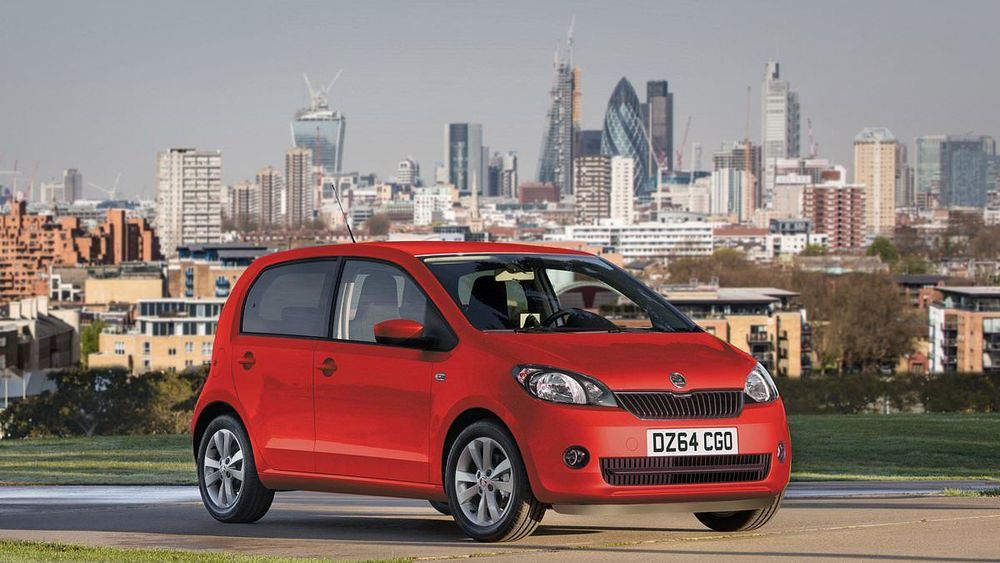
Our selection focuses on reliability, affordability and low insurance groups. Each vehicle offers practical features for student life while keeping purchase and running costs within reach.
The list includes proven performers from mainstream manufacturers, all readily available in the used market. These models typically offer good parts availability and reasonable repair costs, essential factors when budgets are tight.
Common themes among the recommendations include frugal engines, strong reliability records and insurance group ratings that won't punish young drivers. Boot space varies, but all offer sufficient room for the essentials of student life, from weekly shopping trips to end-of-term house moves.
Making the purchase
When viewing potential vehicles, prioritise those with complete service histories showing regular maintenance. Check for signs of accident damage, examine tyre condition and ensure all electrical systems function properly. A pre-purchase inspection by a trusted mechanic, though an additional expense, can prevent costly mistakes.
With 42.9 million licensed vehicles on UK roads as of June 2026, representing a 1.5% increase from the previous year, the automotive market remains robust. For students, this translates to choice and opportunity, even at the budget end of the spectrum.
The key to successful student motoring lies in balancing purchase price with ongoing costs. A slightly more expensive car with lower insurance grouping and better fuel economy often proves cheaper overall than a bargain basement purchase with punitive running costs.