Top 20 electric cars with the longest-lasting batteries
Electric vehicle buyers concerned about battery longevity can take comfort in new research showing modern EV batteries significantly outlast earlier predictions, with Hyundai and Kia models emerging as top performers in capacity retention studies.
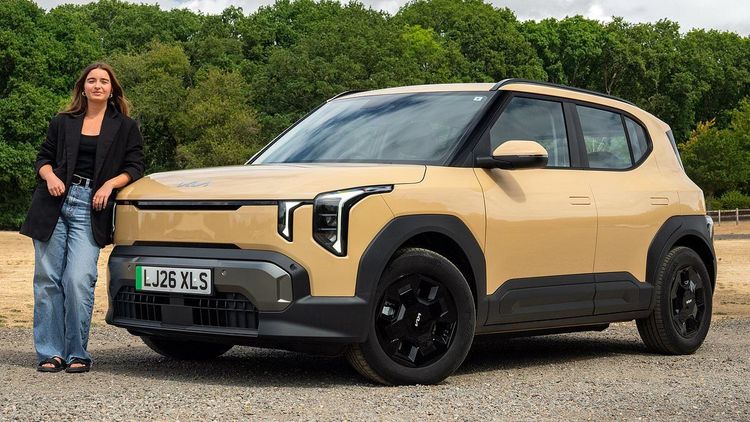
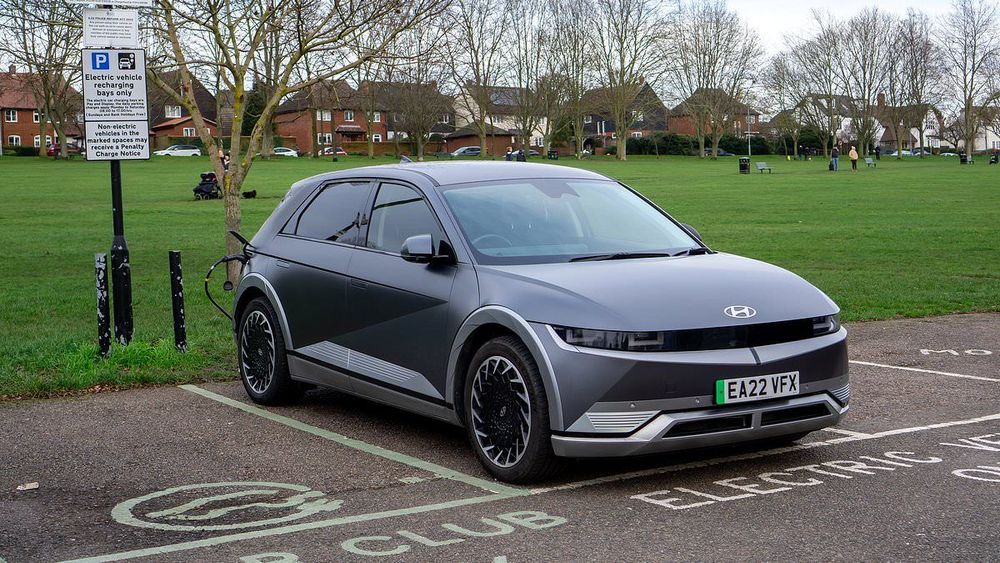
Recent battery health analysis of 723 electric vehicles found the Hyundai-Kia conglomerate produces EVs with the longest-lasting batteries, surpassing Tesla in battery capacity retention tests. Nearly 80% of electric cars tested retained over 90% of their original battery capacity after several years of use, demonstrating exceptional durability across the sector.
The superior performance of Hyundai and Kia vehicles may be linked to their industry-leading warranty coverage. Both manufacturers offer 10-year/100,000-mile battery warranties with a 70% capacity retention guarantee, exceeding the standard 8-year/100,000-mile warranty provided by most competitors including Tesla.
Battery degradation rates better than expected
Analysis of over 22,700 electric vehicles by Geotab in 2026 found modern EV batteries degrade at an average rate of 2.3% per year, with most batteries projected to retain 81.6% of original capacity after eight years. However, newer vehicles equipped with advanced thermal management systems perform even better, averaging just 1.6% annual degradation.
A Stanford University study published in December 2024 delivered even more encouraging news, finding that EV batteries could last 38% longer than previous laboratory-based estimates. Under real-world driving conditions, batteries could potentially reach 195,000 miles or more, with some research projecting lifespans of 280,000 miles.
Modern EV batteries are now expected to last 15-20 years in typical use, often exceeding the lifespan of the vehicle itself. Studies analyzing thousands of EVs found average battery health remains above 95% even after several years of use, with analysis of 500,000 battery health tests showing popular EVs tend to retain at least 90% capacity after close to 100,000 miles.
Thermal management makes the difference
EVs with active liquid thermal management systems retain battery capacity significantly better than those with passive cooling. The sophisticated cooling and heating systems help explain why certain models outperform others in longevity rankings.
Charging habits also play a crucial role in battery lifespan. High-power DC fast charging above 100 kW can nearly double battery degradation rates compared to lower-power charging, with degradation reaching 3.0% per year versus 1.5% per year for low-power charging according to Geotab's research.
Warranty protection for buyers
Most EV manufacturers provide 8-year/100,000-mile battery warranties with a 70% capacity retention guarantee as the industry standard, which is also the federally mandated minimum in the United States. This regulatory framework provides consumer protection and demonstrates manufacturer confidence in battery durability.
The positive battery longevity data comes as UK electric vehicle adoption accelerates, with sales reaching approximately 580,000 registrations in 2026, representing 29% of new car sales. This marks a significant increase from 23.4% in 2025, with August 2026 seeing EVs reach 29.8% market share.
For prospective buyers, the research suggests battery anxiety may be overstated. With proper charging practices and vehicles equipped with advanced thermal management systems, modern electric car batteries are proving remarkably durable, often outlasting traditional vehicle components.