Serial fraudster jailed for £68,000 deception
A serial romance fraudster who exploited victims through elaborate deceptions has been jailed for three years and two months after conning four people out of £68,000.
Joseph Gibson, 35, created a web of lies spanning from false claims of elite military service to fabricating a cancer diagnosis, targeting vulnerable individuals he met through dating apps during a period when romance fraud was surging across the UK.
Bristol Crown Court heard how Gibson admitted four counts of fraud relating to three women and one man, whom he deceived between July 2020 and October 2021. His crimes occurred during the COVID-19 pandemic, when romance fraud reports in the UK peaked at 8,678 cases in 2021, up sharply from 6,712 in 2020, as lockdowns increased isolation and reliance on online dating.
Fabricated identities and fake wealth
Gibson presented himself to victims as a multimillionaire who had served in the Special Boat Service, an elite British special operations unit that primarily recruits from the Royal Marines and has a 90% failure rate for selection. He also claimed to own luxury yachts and showed fake trading portfolios alongside photographs of homes and cars he purportedly owned.
According to prosecution evidence, hundreds of thousands of pounds had passed through Gibson's accounts, which he spent on cars and overseas travel. Other victims reported that Gibson had also misrepresented himself as an air ambulance pilot, a businessman, and even a doctor, demonstrating a systematic pattern of assuming false professional identities.
Cancer deception and hospital charade
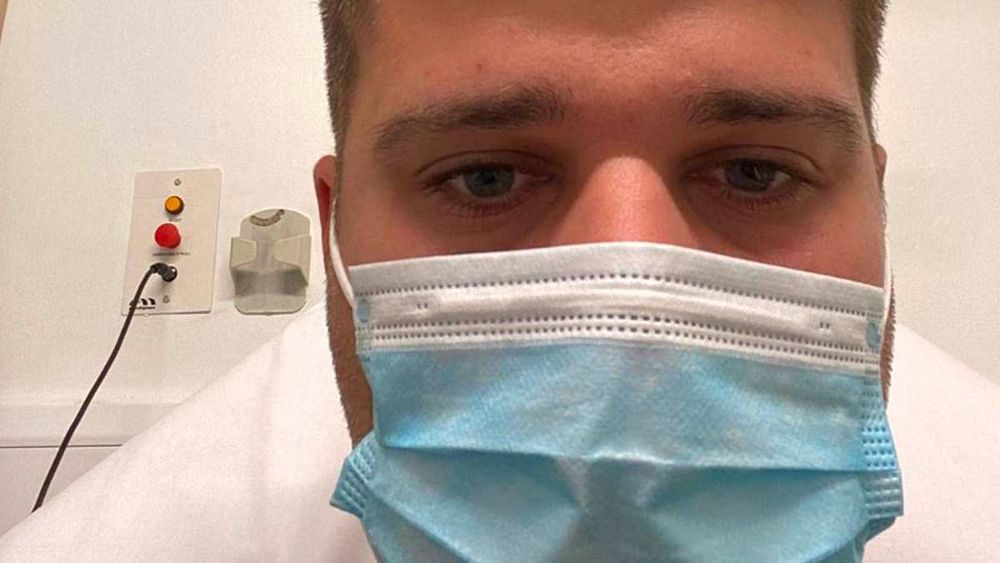
When victims began questioning inconsistencies in his stories or demanding accountability for their investments, Gibson fabricated a cancer diagnosis. He sent convincing photographs appearing to show himself in a hospital bed wearing a face mask, complete with what seemed to be authentic medical equipment in the background.
One victim recalled: "He would send me pictures in hospital and the background would look legit and I could hear women in the background." Gibson went as far as claiming the condition could be terminal, causing further distress whilst avoiding questions about missing money or unfulfilled promises to purchase yachts.
Manipulation and financial devastation
Victims described Gibson as initially appearing "funny", "talkative" and "trustworthy". He would befriend targets and gain their trust before coaxing them into handing over life savings under promises of increasing their wealth. Gibson's behavior reflects broader trends identified in a UK Finance survey, which found that nearly 40% of people looking for love online were asked for money, and over half of those asked actually gave or lent it.
The fraudster employed various tactics to maintain his deceptions. When victims wanted to visit a house he claimed to own in Bath, he insisted they could not because the boiler was broken. If they challenged contradictory stories from his friends, he ordered them to stop asking questions. Gibson even took a lie detector test to "prove" he was telling the truth.
The financial impact on victims proved devastating. One victim described days without food after Gibson took all their earnings. Another was forced to take out an Individual Voluntary Arrangement after securing a loan to invest in Gibson's fraudulent schemes, leaving them unable to buy a house or own a credit card.
The person that he met, it's like he killed her, because I'll never be that person again.
Gibson's £68,000 fraud was significantly above the average loss in such cases. In 2026, romance fraud cost UK victims £102 million, with individual victims losing an average of £9,500. Between January 2020 and December 2024, nearly 40,000 dating fraud crime reports were made in the UK with victims suffering an estimated total loss of £409.7 million.
Sentencing and asset recovery
During sentencing, the judge told Gibson: "You are simply a fraudster. It has taken years for you to admit that. Pity those who have had the misfortune to have you come into their lives, prey on their affections, steal their money, steal their goals and fracture their relationships."
The judge noted that Gibson, of Ruthin, Denbighshire, had been of previous good character and admitted his offending shortly before trial, but would receive minimal sentence reduction for remorse. "You are sorry for the position you have found yourself in," the judge observed, adding that Gibson had attempted to deceive the court about his available funds.
Gibson appeared to be shaking throughout the hearing. He will face a hearing under the Proceeds of Crime Act in March to recover his assets and repay victims. Recent amendments to the Act, including the Economic Crime and Corporate Transparency Act, have enhanced the ability to return funds obtained through fraud, with law enforcement recovering almost £300 million in criminal assets in 2026 and returning almost £50 million to victims.