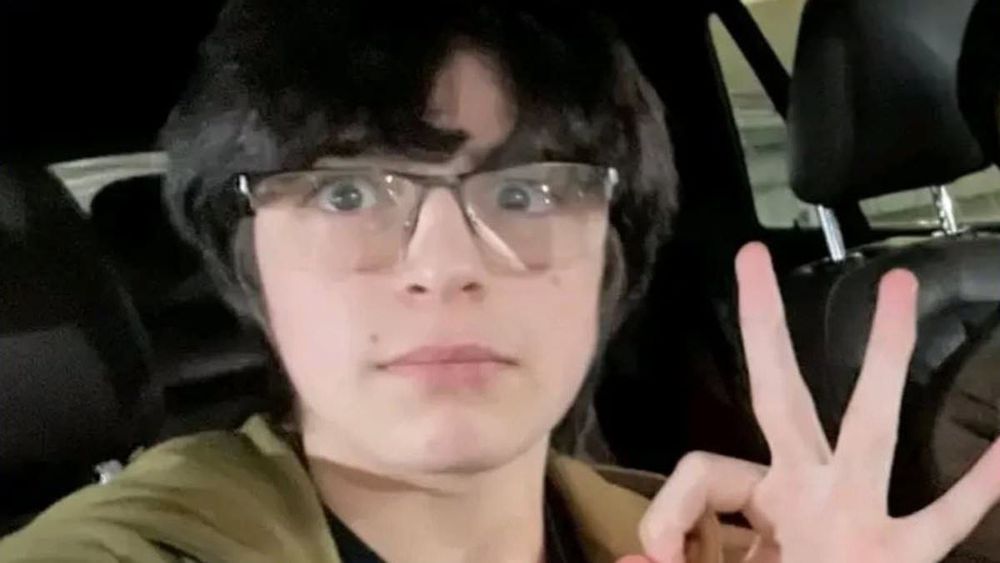
Parents of San Diego mosque shooter file lawsuit against mental health clinic over treatment failures
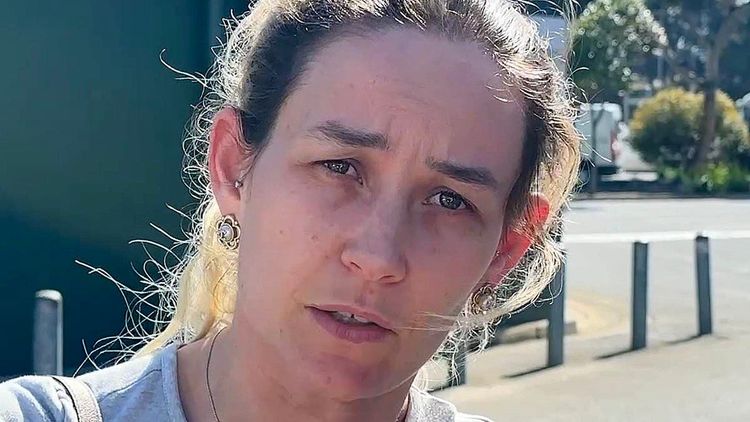
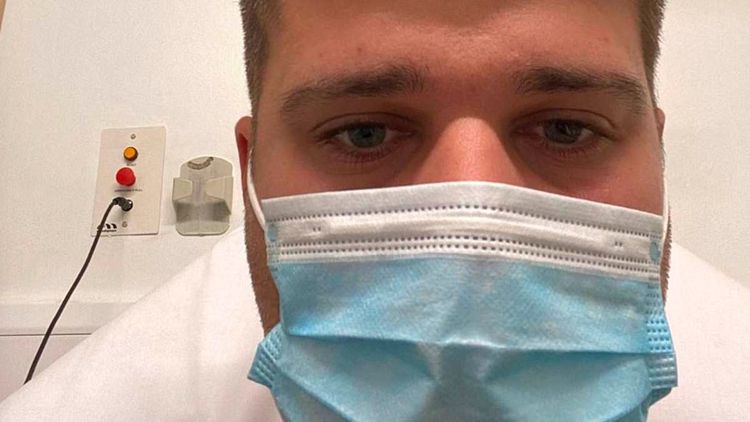
The parents of an 18-year-old who killed three people at a San Diego mosque have filed a lawsuit against the mental health clinic that was treating him, claiming the facility failed to properly supervise their son despite clear warning signs of his violent intentions.
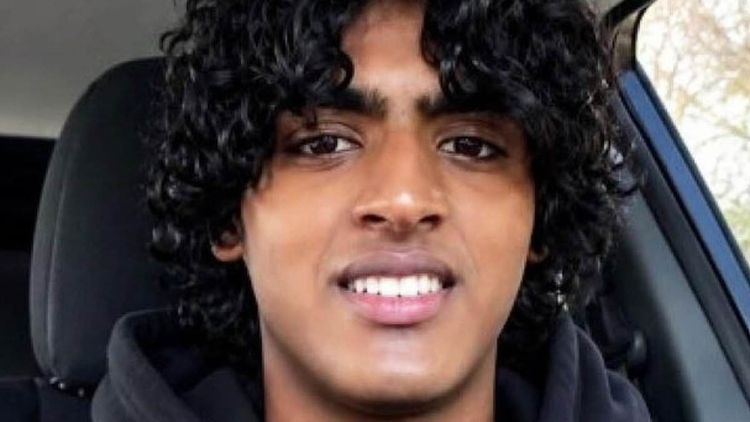
Caleb Vazquez and another teenage gunman attacked the Islamic Center of San Diego on May 18, 2026, killing security guard Amin Abdullah and community members Nadir Awad and Mansour Kaziha before dying by suicide. The lawsuit alleges that the mental health organization was negligent in its treatment of Vazquez, who was released from the program just one day before the attack occurred.
According to the legal filing, the facility had been informed of alarming developments in the days leading up to the shooting. Four days before the attack, the FBI notified Vazquez's parents that their son was active on the dark web and communicating with individuals discussing school shootings. His mother subsequently relayed this federal warning to his therapist at the clinic.
The teenager had a documented history of violent ideation and mental health crises. In January 2025, more than a year before the shooting, Vazquez was placed on a 72-hour involuntary hold for mental health evaluation after officials determined he posed a danger to himself or others. He had previously been taken to Rady Children's Hospital after expressing a desire to carry out a school shooting.
Court documents reveal that the family had taken significant steps to address their son's mental health issues. In January 2025, they voluntarily surrendered 26 guns to police, and Vazquez was attending therapy twice weekly. His father stated in a 2025 court filing that the family was closely monitoring his social media presence and online activities.
Legal Framework for Mental Health Provider Liability
The lawsuit raises questions about the duty of care owed by mental health professionals when treating potentially dangerous patients. Most states have laws that either require or permit mental health professionals to disclose information about patients who may become violent, based on the landmark 1976 Tarasoff v. Regents of the University of California case, which established a duty to warn potential victims of a risk of violence.
Mental health professionals can be held civilly liable if they fail to warn an identifiable victim of an imminent physical threat, though the specific requirements vary by state between mandatory duty to warn, permissive duty to warn, or no duty to warn.
The trend toward expanding legal accountability in mass shooting cases has accelerated in recent years. In 2024, Jennifer Crumbley became the first parent convicted for a mass school shooting committed by their child, found guilty of four counts of manslaughter for the Oxford, Michigan high school shooting. Both Crumbley parents were sentenced to at least 10 years in prison.
Broader Context and Ongoing Investigation
The attack occurred against a backdrop of rising threats to Muslim communities nationwide. The Council on American-Islamic Relations recorded its highest annual number of complaints in 2025 since beginning such reporting in 1996. The Islamic Center of San Diego had increased its security measures after a hate-related incident in 2022.
The legal ramifications of the shooting continue to expand. In August 2026, a North Carolina teenager, Sarah Santiago, was indicted and charged with murder for allegedly aiding and abetting the shooting by agreeing to livestream the attack, distribute the recording, and release the shooters' manifesto.
The lawsuit filed by Vazquez's parents represents an unusual legal strategy, as they seek to shift responsibility to the mental health facility that was treating their son. The outcome could have significant implications for how mental health organizations handle patients who exhibit warning signs of potential violence.