Britain is heading for second energy crisis, industry boss warns
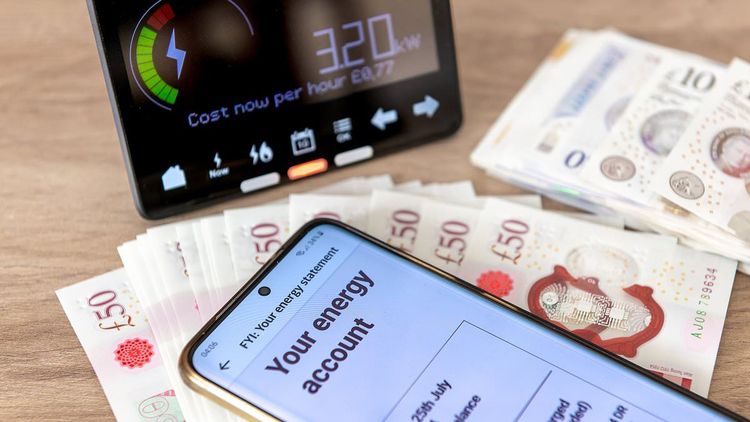
Britain is walking into a second major energy crisis, the chief executive of EDF Energy has warned, as new forecasts predict household energy bills will surge by 16 per cent in January.
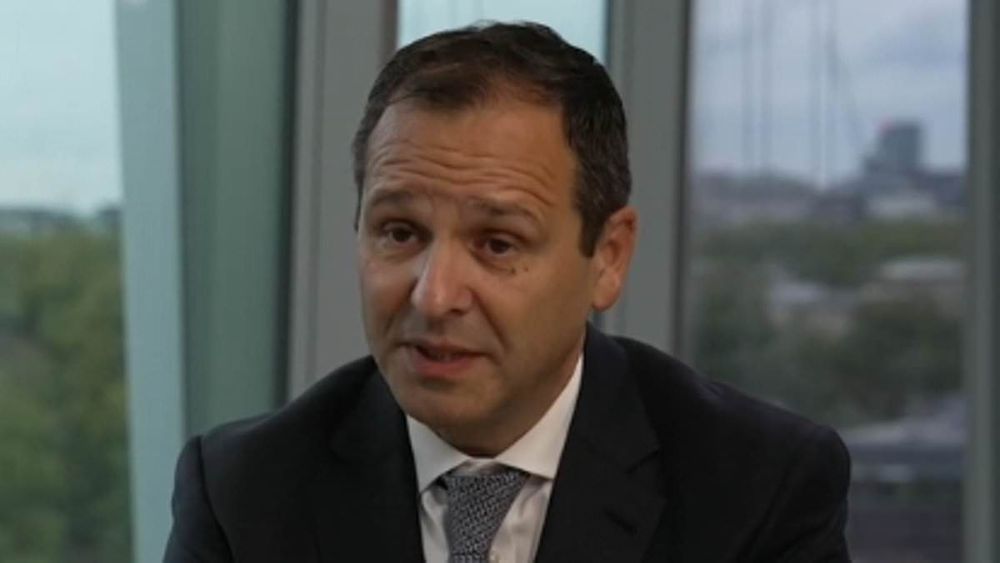
Simone Rossi, who leads the supplier serving approximately 3.1 million electricity and 2.2 million gas customer accounts in the UK, said the looming crisis stems from geopolitical forces beyond domestic control. The warning comes as more than four million households on standard tariffs face an immediate 4 per cent increase from tomorrow, with a far steeper rise expected at the start of next year.
Cornwall Insight has forecast the Ofgem price cap will climb to £1,999 per year for typical dual-fuel households in January 2027, representing a £276 annual increase. This would mark the sharpest rise since January 2023, when the cap peaked at £4,279 before government intervention limited actual bills to £2,500 through the Energy Price Guarantee.
The predicted jump is largely driven by ongoing disruption from the US-Iran conflict, which has severely constrained gas supplies since late February 2026. The blocking of the Strait of Hormuz, a critical shipping lane handling approximately 25 per cent of global seaborne oil trade and 20 per cent of liquefied natural gas, has created sustained upward pressure on wholesale prices.
Europe's gas reserves at 15-year low
European gas storage facilities stood at between 65 and 71 per cent capacity in late September 2026, marking the lowest level for this date since records began in 2011. The reserves are running 15 to 16 percentage points below the five-year average, raising serious concerns about winter supply resilience.
Gas storage can cover up to one-third of the EU's demand during winter months, making current levels particularly worrying. The EU had introduced a mandatory target of 90 per cent capacity by November 1st following the 2021-2022 crisis, though this has been relaxed to 80 per cent for the 2026 winter season.
Mr Rossi told the BBC's Big Boss Interview podcast:
We are actually walking into a second significant energy crisis after the one we experienced just four years ago. We are a bit concerned about it, as this is unfortunately to a great extent the result of geopolitical forces that we do not control really.
He added:
Major wars affecting the two biggest suppliers of gas – Russia and Qatar – at the same time is almost unthinkable. The good news is that we think we will have the energy we need; the bad news is that it's going to be much more expensive – particularly for petrol, diesel and gas.
Bills rising as winter approaches
From tomorrow, energy bills for the average household in England, Scotland and Wales paying by direct debit will reach £1,723, up £5 monthly or £60 annually if sustained over 12 months. The increase comes just as cooler temperatures prompt many to switch on central heating.
The timing could prove particularly challenging, with January traditionally a difficult month as households recover from Christmas spending whilst facing peak winter energy consumption. During the previous crisis, wholesale gas prices surged to more than 10 times their pre-pandemic average, with the cap rising 54 per cent in April 2022 alone in the first £1,000-plus increase in a single period.
Cornwall Insight's Dr Craig Lowrey said:
These prices are going to hit households hard. January is already a difficult month for many, with cold weather and bank balances still recovering from Christmas, and now they face the biggest price cap rise we've seen in four years.
He added:
At the moment, we can't yet see an end to the volatility, and with gas stocks as low as they are, the effects of the conflict could be with us for many more months.
Experts warn that even if Middle East tensions eased immediately, correcting supply disruption would likely take months. If Europe ends winter 2026-2027 with severely depleted inventories, more gas will need to be purchased next summer to rebuild reserves ahead of winter 2027-2028, potentially pushing prices higher again.
Government support and industry calls
The price cap increase from tomorrow includes the Government's decision to remove VAT from household electricity bills. The removal of the 5 per cent levy until March 31 next year, announced by Prime Minister Andy Burnham in July as one of his first major policy moves, will save the average bill payer around £45 annually. The measure is funded by cancelling the Digital ID programme at an expected cost of approximately £850 million to £1.1 billion.
Mr Burnham told BBC Radio 4 he would not call Mr Rossi's warning an overstatement, acknowledging the cost of energy, petrol and diesel was "very difficult indeed".
Mr Rossi is among those calling for the Government to extend the electricity VAT cut beyond March 2027. He also wants approval for the new Jackdaw gas field and Rosebank oil field off the Scottish coast.
Ofgem sets the wholesale portion of the cap using prices from a fixed observation window. The window for January's cap is now nearly halfway through, meaning recent price rises are already locked in, making a substantial January increase highly likely. The regulator will announce its next cap, covering January to March 2027, in November.
Comparison site Uswitch urged households without smart meters to submit readings to suppliers by month-end to avoid being charged higher rates for energy used before October 1. Its director of regulation Richard Neudegg said:
Household energy prices look set to go from worse to even worse this winter. This latest prediction would represent the highest rate of increase since the energy crisis and will be extremely hard to bear for many households at the coldest time of year.
Homes on standard tariffs with average usage are expected to spend £145 on energy in October, compared with £109 in September. The increase of a third reflects both increased consumption due to cooler temperatures and higher unit rates under the latest cap.
For context, the Ofgem price cap was introduced in January 2019 and remained relatively stable at around £1,100 to £1,200 annually until October 2021, when post-pandemic demand recovery began driving prices upward.