Kmart pulls camera-equipped smart glasses from sale amid privacy investigation
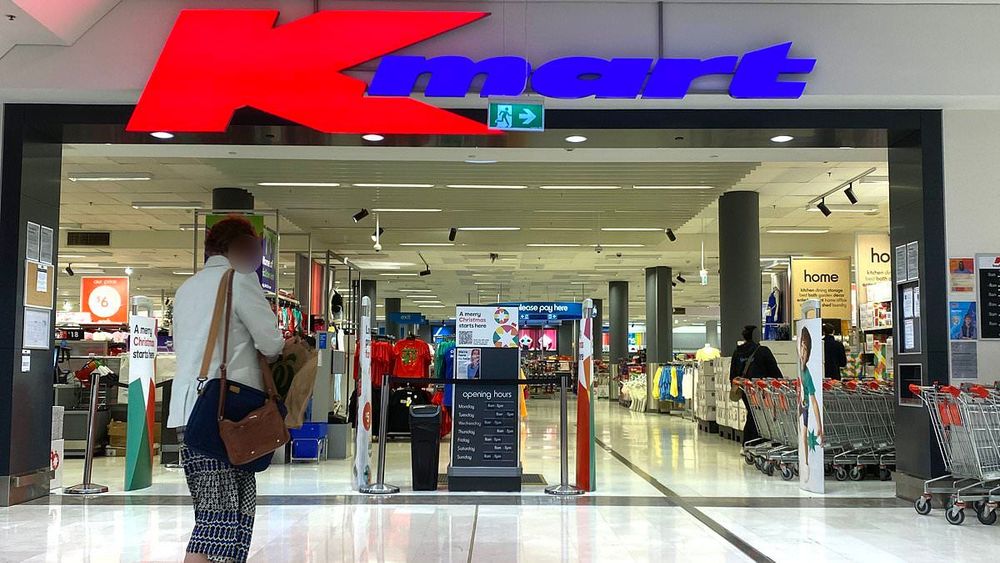
Kmart has removed its $89 camera-equipped smart glasses from sale, two months after the budget devices sparked widespread privacy concerns and became the target of a formal regulatory investigation.
The Anko smart glasses, which allowed users to record photos and video through a built-in camera, are no longer available on the retailer's website as of Thursday. The product had sold out within a week of its July 28 launch, marketed as an affordable alternative to Meta's Ray-Ban smart glasses that retail from $679.
The removal follows an escalating privacy investigation by the Australian Information Commissioner into the HeyCyan app that powers the glasses. Commissioner Carly Kind revealed that Shenzhen Qingcheng Future Technology, the company behind the app, failed to respond to preliminary inquiries sent in August 2026, prompting the regulator to escalate to formal investigation powers.
The August inquiries, initiated after correspondence from Attorney-General Michelle Rowland, were sent to multiple companies including Meta, Kmart, Google, and Shenzhen Qingcheng. The inquiries examined how the smart glasses function, who can access recorded information, and where data is stored.
Kind stated she had received no assurance that personal data of Australians is being protected as required by the Privacy Act. The HeyCyan app, which connects the glasses to other devices via Bluetooth and enables recording, music playback and phone calls, is also used in low-cost smart glasses sold through Big W Marketplace and Amazon.
Privacy concerns and public backlash
The Greens party launched a petition calling for a 12-month import ban on camera-equipped smart glasses, branding them "pervert glasses" and arguing they enable secret filming of women and children without consent or warning. The petition attracted significant support, with advocacy group GetUp collecting more than 57,000 signatures from members.
Research has provided concrete evidence of misuse. A 2024 Monash University study of over 1,000 Australians found that 17 percent of smart glasses owners admitted to prohibited use, including recording people without consent, while 13.5 percent acknowledged dangerous usage such as wearing the devices while driving or cycling.
Separate University of Sydney research analyzing 350 Instagram videos posted between 2023 and 2026 found that approximately 60 percent of covert point-of-view smart glasses videos were classified as potential harassment, with many showing men filming women in gyms, workplaces, streets and at beaches.
Milica Stilinovic, a postdoctoral research associate at the University of Sydney's Governing Immersive Tech project, warned that cheaper smart glasses often feature questionable data retention practices and recording indicator lights that are difficult to see or entirely absent.
"We should be very concerned with non-consensual filming in public areas such as beaches, where this type of covert recording particularly impacts women and minors who might be undressing or wearing swimsuits," Stilinovic said.
She noted that research showed increased use among pickup artists who upload footage online, subjecting women to abusive commentary, identification attempts and doxxing.
Regulatory gaps and government response
The controversy has exposed significant gaps in Australian privacy law. The Privacy Act 1988 does not directly regulate individuals' use of surveillance devices, and where smart glasses process data on the device itself without passing through a regulated entity's systems, the activity may fall entirely outside the Act's coverage.
Attorney-General Rowland acknowledged serious community concerns about the devices, noting that research shows approximately 60 percent of point-of-view material uploaded could be classified as harassment. She highlighted particular risks for children, women and victims of violence or coercive control.
However, Rowland clarified that the government's privacy law review is not specifically considering import restrictions, noting that such a ban would have consequences across government portfolios including trade, foreign affairs and international legal obligations.
Public Service Minister Katy Gallagher has asked the Australian Public Service Commission for advice on whether camera-equipped smart glasses should be prohibited in Commonwealth workplaces and which exemptions might apply. Meanwhile, the City of Canterbury-Bankstown in Sydney voted in October to ban smart glasses from its five council-operated leisure and aquatic centers, becoming one of the first Australian councils to implement local restrictions.
Activist Gina Martin, who led a campaign urging Kmart to remove the glasses, gathered over 57,000 signatures through GetUp. Paul Ferris, GetUp's interim chief executive, said Kmart appeared to have "seen the writing on the wall" following the removal of the product listing.
Kmart previously defended the glasses as part of an "established and increasingly mainstream category" of wearable technology. The retailer, owned by Wesfarmers and operating across Australia and New Zealand, continues to list its $39 Speaker Glasses, which provide audio functionality for music and calls but lack recording capabilities.
Commissioner Kind urged responsible retailers to consider whether it remains appropriate to make devices using the HeyCyan app available for sale, given the identified privacy risks and the absence of assurances about data protection.