Energy bills set to surge in 2027: How to lock in cheaper fixed tariffs now
Around 22 million households in the UK could face a significant shock when their next energy bills arrive, as the cost of gas and electricity continues to climb sharply.
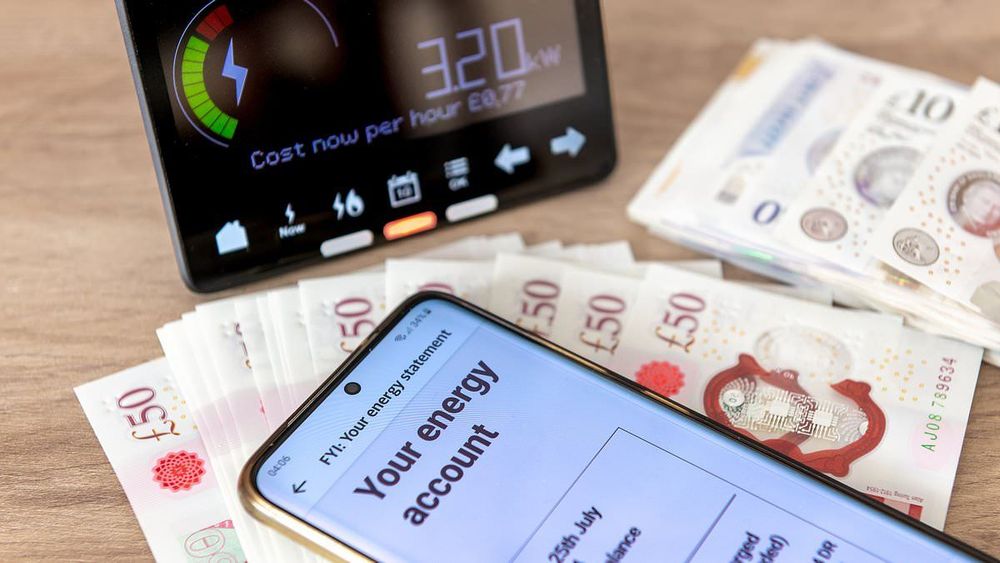
The energy price cap, which affects households on standard variable tariffs, rose by 3.6 per cent on Thursday to £1,723 a year for a typical household paying by direct debit. That figure, announced by regulator Ofgem on 26 August 2026, is up from £1,663.
But further pain looms ahead. Independent energy market forecaster Cornwall Insight predicts bills could surge by as much as 16 per cent in January 2027, potentially reaching £1,999. If accurate, this would mark the highest price cap level since March 2023 and the largest single quarterly increase in four years. Ofgem will confirm the actual January to March 2027 price cap by 25 November 2026.
Why are energy prices rising?
Energy prices remain volatile and heavily influenced by geopolitical events. Ongoing conflict in the Middle East has caused major disruption to oil and gas supplies, particularly through the Strait of Hormuz. The International Energy Agency has described this as the largest oil supply disruption in history, affecting at least 10 million barrels per day of production.
These supply constraints have pushed up wholesale energy costs, which in turn feed through to household bills. Even if the conflict were to end immediately, the supply disruption would take months to correct itself, according to Cornwall Insight.
The recent price cap increase was driven predominantly by gas, with gas unit rates rising by 8.7 per cent while electricity unit rates increased by only 0.8 per cent. This means households with gas heating are particularly exposed to the rising costs.
The October bill increase would have been £45 higher had the Government not removed VAT from electricity bills. Prime Minister Andy Burnham announced the VAT removal in July 2026 as one of his first decisions in office. The measure, which costs the Treasury approximately £850 million and was partly funded by scrapping the digital ID programme, runs until 31 March 2027.
How fixed energy deals can help
While around 22 million households are on variable tariffs covered by the price cap, approximately 35 to 40 per cent of UK households have already locked into fixed energy tariffs. These customers will not see their unit rates change when price cap adjustments take effect.
Fixed tariffs typically last for 12 or 24 months, providing certainty over energy costs and helping households budget through the colder months when consumption is highest.
Some fixed deals currently available undercut both the October price cap and the predicted January figure. If you can secure a year-long fix priced lower than both the current cap and the January forecast, you are guaranteed cheaper energy for at least three months and likely to benefit for months afterwards if price predictions prove accurate.
Even deals sitting slightly above the current cap but significantly below the January forecast could deliver savings, particularly as you would be locking in lower rates for winter when energy use peaks.
However, there are risks to consider. If wholesale prices suddenly drop after you have secured a long-term fix, you could end up paying more than if you had stayed on a variable tariff. The energy price cap, introduced in January 2019 and reviewed by Ofgem every three months, provides a safety net for those on variable rates.
It is important to note that both the price cap and fixed tariff prices are given as annual figures for an average household. Your actual bill depends on how much energy you use. If your consumption is higher or lower than the average medium-sized household with two or three people, your costs will differ from the quoted annual amounts.
Some of the cheapest fixed deals available last for as long as two years. Before committing, consider how prices might move over the entire length of the fix and whether you would be comfortable remaining on the tariff if energy prices fell. Also check exit fees, which can be as much as £125 for each fuel type.
How much can you save?
According to price comparison website Uswitch, the cheapest energy tariff currently available is offered by Fuse Energy. This 18-month fix is priced at £1,615 annually for the average household, which is £108 below the current cap and £384 below the predicted January cap. Exit fees are £50 per fuel.
The cheapest fixed deals over the past year have consistently come from smaller suppliers. Among major providers, British Gas offers the lowest-priced fix at £1,669 annually for the average household. This is £54 below the current cap and £330 below the January forecast. However, this is a 23-month fix with exit fees of £125 per fuel, making it expensive to leave if energy prices ease over that period.
Fuse Energy also offers a 12-month fix priced at £1,716 annually for the average household, providing a shorter commitment for those who prefer more flexibility.
Other competitive deals include a 24-month fix from Eon Next at £1,670 annually and a 24-month tariff from Outfox Energy at £1,671 annually, both undercutting the current cap and significantly below January predictions.
To find the best deal for your circumstances, use price comparison websites such as Moneysupermarket or Uswitch. Entering details such as your postcode and actual energy usage should provide more accurate annual price estimates tailored to your household.