What changes in April
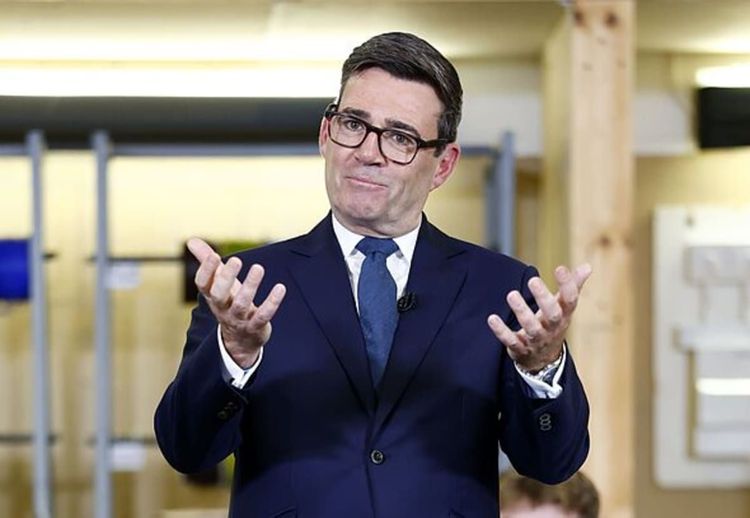
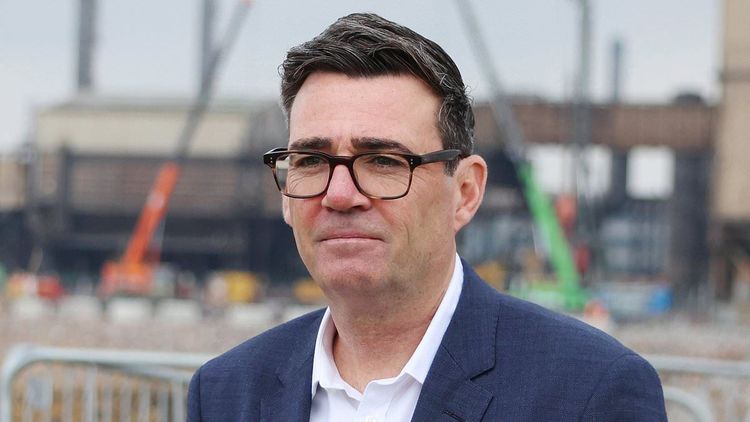
Burnham highlighted Vinted sellers, dog walkers, pet-sitters and teachers offering extra tutoring as examples of people the measure is intended to help. He said the higher allowance would make it easier to supplement earnings or test a business idea.
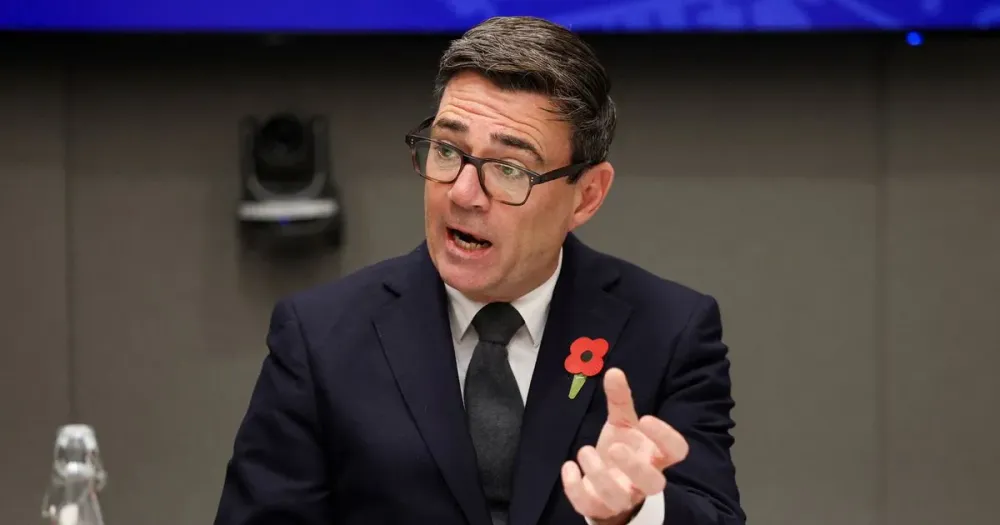
"From April next year, you'll be able to earn up to £3,000 tax free and without having to report it to HMRC," he said.
The government's tax information and impact note, published on October 28, 2026, specifies that the increase begins in the 2027-28 tax year. Alongside the higher trading allowance, the threshold for reporting trading income through Income Tax Self Assessment will rise to £3,000. The measure was announced in the Autumn Budget on October 28.
One allowance across eligible activities
The allowance applies to a person's combined eligible trades and miscellaneous income, not separately to each activity, according to PolicyEngine's October 28 analysis. Income from a trade conducted in partnership is excluded.
There is also a choice between using the allowance and deducting expenses. Accountant Lee Murphy of The Accountancy Partnership told Birmingham Live on October 30 that taxpayers cannot claim both together. For someone whose costs exceed £3,000, deducting those costs could be the better option, he said.
PolicyEngine's examples show how the benefit can vary. An employee whose eligible side income is taxed at 20% could save £400 annually because of the additional £2,000 deduction. In another example, a sole trader receiving £20,000 with £500 in expenses gains £520 through reductions in income tax and Class 4 National Insurance.
A tax reduction does not necessarily translate into an equal increase in take-home income for someone receiving Universal Credit. In PolicyEngine's example, a £400 tax saving is partly offset by a £220 reduction in the claimant's benefit award, leaving them £180 better off.
Digital platforms also have reporting requirements. The Independent reported on September 18 that, under current government guidelines, marketplaces including eBay, Vinted, Etsy and Airbnb automatically send seller information to HMRC when specified limits are crossed, such as completing 30 transactions or reaching £1,700 in sales.
Estimated reach and cost
The government puts the number of potential beneficiaries at up to 1.4 million, including people who would pay less tax and those whose reporting becomes simpler. Within that group, an estimated 400,000 would receive the average £380 tax reduction, while 100,000 would no longer have to report their trading income to HMRC.
People ages 35 to 64 account for an estimated 62% of those affected, according to the impact note. That compares with their 46% share of the UK adult population.
The government's costing, certified by the Office for Budget Responsibility, records no income tax and National Insurance cost in 2027-28, followed by £221 million in 2028-29. PolicyEngine notes that the Budget's Table 6.1 gives a rounded total of £225 million for the measure in 2028-29.
Questions about fairness and priorities
Several people responding to Burnham's Facebook post questioned how the policy would distinguish side businesses from other work. Ed Broughton, who described himself as self-employed, asked why working extra hours on weekends should be treated differently from having a side hustle. Mary Watson, whose activities include gardening, a smallholding, a plant nursery and greeting card sales, asked how a side hustle would be defined.
Luke Lancaster and Andrew Partlett argued for a higher personal allowance or income tax threshold instead. Ben Saunders asked whether people working additional hours to meet everyday costs would also receive £3,000 tax-free.
The announcement follows several smaller, high-profile policies introduced since Burnham succeeded Keir Starmer. Last month, he announced a crackdown on people playing loud music on public transport without headphones. The removal of VAT from electricity bills, announced in July, took effect on October 1 and reduces bills by an average of £45 a year.
Before last week's Budget, Burnham also announced plans to remove tariffs on more than 100 products, including baked beans, chocolate and gherkins, with household food-shopping savings estimated at about £21 annually.
Writing in The Spectator, broadcaster and former LSE Institute of Global Affairs visiting senior fellow Jawad Iqbal questioned the emphasis on smaller measures while major challenges, including the cost of living, remain. He said Burnham had "an uncanny knack of saying things that sound good" but that voters needed more detail about his answers to the country's bigger problems.
Burnham promises a 10-year plan
In a social media post on Sunday, November 1, Burnham marked 100 days in office by reaffirming his promise to deliver Britain's biggest changes in 40 years. He said people he met were asking him to keep talking about hope and described a desire for more substantial, positive change.
The 10-year plan he pledged on entering Downing Street "is coming soon," he said. Burnham described the previous week's Budget as "an important milestone" and said he and the chancellor had first sought to establish economic stability as the basis for the larger changes they intend to introduce.