
A gradual reduction instead of a cutoff
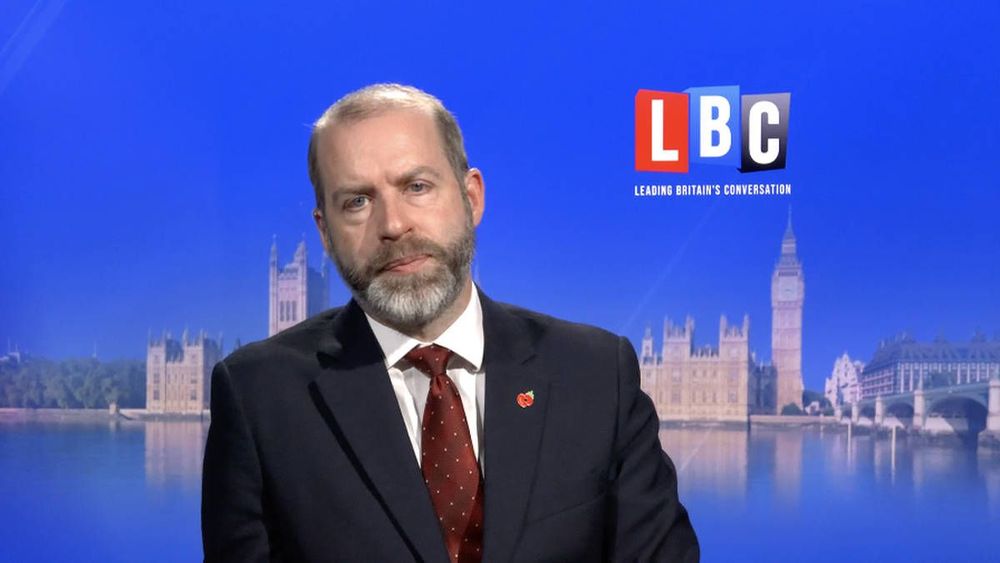
Speaking on LBC's Nick Ferrari at Breakfast, Reynolds said Carer's Allowance would be replaced by a tapered system that reduces payments as earnings rise. The planned reduction is £1 of allowance for each additional £1 earned above the limit.
"There is a particular problem with it, which is if you go one penny over the eligibility criteria, you lose the whole thing, unlike other benefits where it would taper out pound for pound," he said.
For the 2026/27 benefit year, carers can earn up to £204 a week after deductions including tax, National Insurance and certain expenses. The government describes that threshold as a record increase. Under the current rules, going even a penny over it means losing the full weekly payment, which LBC reports as £83.30.
Campaigners have called the abrupt withdrawal of support a scandal. Reynolds described the proposed system as fairer and said the existing rules caused understandable resentment, including among carers who had not intended to exceed the limit.
MoneySavingExpert.com's illustration of the proposed taper uses £204 as the point up to which the full allowance would be paid, with support then falling pound for pound and reaching zero at weekly earnings of £290.45. In that illustration, earnings plus Carer's Allowance remain at £290.45 between those thresholds, before tax on the allowance.
The Department for Work and Pensions says Carer's Allowance is available only in England and Wales. Scotland has fully replaced it with the Scottish Government's Carer Support Payment, while Northern Ireland's Department for Communities maintains parity with the DWP.
Why implementation will take years
Reynolds acknowledged that carers would want the reform introduced sooner. "I believe it will be fully operational by 2030. I know people will want that to be sooner, but that is how that benefit is paid," he said.
MoneySavingExpert.com gives the start date as the 2030/31 financial year. It attributes the delay to the work needed to build a system that automatically processes earnings information to avoid the overpayment problems associated with the current scheme.
Those problems are also the subject of a separate reassessment. Following the independent Sayce Review into Carer's Allowance overpayments, the DWP began reviewing around 200,000 cases. Roughly 25,000 carers are expected to have debts reduced or canceled, or receive refunds.
Evidence on work and overpayments
Carers UK's State of Caring Survey 2024 found that the earnings limit had prompted 41% of carers to leave paid work. Among respondents who were working and claiming Carer's Allowance, six in 10 said the cliff edge restricted their work. One in five carers receiving both earnings and the allowance reported having experienced an overpayment.
The government sought views on an earnings taper and rules limiting carers' working hours during a six-week call for evidence from July 7 to August 18, 2026. It described the exercise as the first major review of Carer's Allowance since the benefit's introduction in 1976.
Part of the Budget's cost-of-living measures
Ministers presented the reform among a series of "everyday fixes" expected in Wednesday's Budget. Reynolds said the broader package was intended to give families and businesses "breathing space".
Prime Minister Andy Burnham, now in his 100th day in office, said the measures would help people including "an unpaid carer picking up an extra shift". Since taking office, he has also announced lower VAT on energy bills this winter and cuts to business rates for pubs and clubs. He said the government would go further in the Budget.