Treatment plans cover 220,000 people
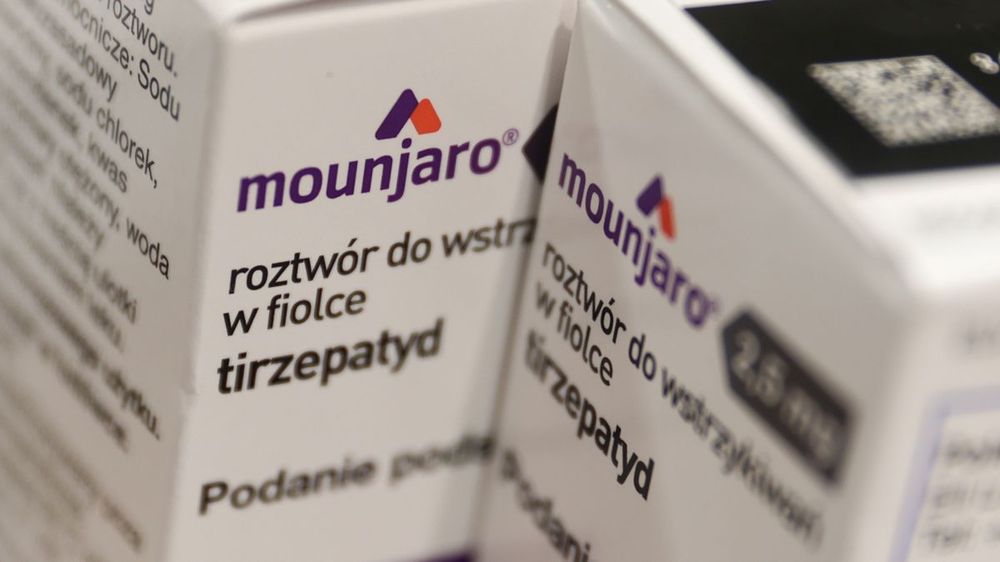
The NHS plans to make Mounjaro available to 220,000 people over three years. The Health Foundation estimates that this represents roughly 6% of those eligible under recommendations from the National Institute for Health and Care Excellence (NICE). The committee described the plans as "unambitious" and said people with obesity were being let down.
Cost estimates helped shape the phased approach. NHS England calculated that 2.8 million patients would qualify and that treating them would cost £15.2 billion over five years if they all sought treatment in the first year. MPs said NICE agreed to a gradual rollout in response. The House of Commons Library puts NICE's eligibility estimate under its final guidance at 3.4 million people, higher than the figure NHS England used.
NHS England's prescribing schedule initially focuses on patients with several qualifying conditions. From June 23, 2025, primary care doctors could prescribe Mounjaro to Cohort I: people with a BMI of at least 40 and at least four of five conditions—hypertension, dyslipidemia, obstructive sleep apnea, cardiovascular disease or type 2 diabetes.
The schedule expands in year two, 2026/27, to Cohort II, covering people with a BMI of 35–39.9 and at least four qualifying conditions. Cohort III, scheduled for year three across 2027/28–2028/29, covers those with a BMI of at least 40 and three qualifying conditions.
Mounjaro also differs from other NICE-recommended weight-management medicines in how long treatment can continue. NHS England's interim guidance sets no maximum treatment period or fixed "stopping rule" for Mounjaro, allowing indefinite prescribing. Other such medicines have a two-year prescription limit.
Regional figures show the access gap
London figures offer one measure of how far NHS provision remains from potential demand. A London Assembly Health Committee report published in March 2026 said about 3,000 residents were receiving NHS weight-loss medicines as of November 2025. The target is 35,000–40,000 by 2028, while an estimated half a million Londoners could ultimately qualify.
Demand extends well beyond current NHS provision. A study published in January 2026 estimated that 1.6 million people in England, Scotland and Wales had used weight-loss medicines between early 2024 and 2025. Another 3.3 million expressed interest in using them during the following year, according to the London Assembly report.
The Commons committee highlighted a "two-tier system" in which limited NHS access leaves treatment unaffordable for some patients. UK prescribing data suggests more than 2.37 million packs of GLP-1 medicines are prescribed each month, predominantly through private providers.
MPs seek broader prescribing capacity
The committee wants the government to reconsider the rollout's pace, make greater use of digital providers and convene providers and health professionals for a summit on GLP-1 access. It also called for a framework with ambitious local targets for the share of residents able to obtain these medicines.
MPs warned that access increasingly appeared to depend on wealth rather than clinical need. Because obesity is already closely associated with deprivation and inequality, they said unequal access would deepen existing disparities.
The London Assembly report said the government had announced new incentives in GP contracts from April 2026 to encourage weight-loss prescribing and referrals to weight-loss services.
An NHS spokesperson said the service was testing ways to speed up access, including different routes for starting treatment, "to ensure millions more people can benefit". The spokesperson also said other NHS support had already helped tens of thousands of people reach a healthier weight.
Henry Gregg, chief executive of the National Pharmacy Association, backed the committee's criticism and said community pharmacies were ready to help expand provision. He argued that wider access would allow eligible patients to obtain treatment safely and help reduce obesity's impact on the NHS.
Concerns over illegal supplies
Gregg also warned that uneven access created a postcode lottery and that the slow rollout "inadvertently helps to fuel a growing black market for unlicensed or counterfeit versions of GLP-1 treatments".
MPs called for better information-sharing between GPs and prescribers. They also urged the government to assess the Medicines and Healthcare products Regulatory Agency's capabilities and whether it had enough resources to tackle the illegal GLP-1 trade.
Charlotte Parker, a pharmacist at LloydsPharmacy Online Doctor, said overseas semaglutide patent expirations during 2026 would make generic versions more widely available. She warned that some would enter the UK through black and gray markets without safeguards governing quality, storage, prescribing and monitoring. In her view, unequal NHS access risks worsening the problem because most eligible patients currently have to pay privately.
The UK patent position is different from that in some overseas markets. According to Treated UK, semaglutide—the active ingredient in Wegovy and Ozempic—is expected to remain under UK patent protection until around 2031. Generic versions therefore cannot legally be produced, sold or imported into the UK until then. Patents have expired or are expiring from 2026 in about 10 countries, including India, Canada, China, Turkey, South Africa and Brazil.
Children face shortages of specialist care
The committee's obesity report also found gaps in services for children. Complications of excess weight, or CEW, clinics have been commissioned to treat between 25 and 200 young people annually. MPs heard that waits were about six months, with 20–100 young people on waiting lists.
In South Yorkshire, about 16,000 children and young people may qualify for referral, but annual capacity was sufficient for only about 100 families. The committee said redesigned services must provide children with "the specialised, holistic support they need".
Across obesity care, MPs found substantial geographic variation and services that were hard for patients and health professionals to navigate, without a clear treatment pathway.
A call for a national care pathway
Committee chair Layla Moran said millions of children and adults in England live with obesity and excess weight. She described obesity as "a chronic, relapsing condition that leads to further serious illnesses" and said patients were repeatedly being failed.
Moran called for a nationally available care pathway modeled on diabetes monitoring and management, alongside changes in policy language and attitudes to recognize obesity as a serious health condition. She also said England makes far too little use of bariatric surgery, particularly compared with neighboring countries.
NHS England estimates that obesity costs the health service approximately £11.4 billion annually. Its estimate of the wider yearly cost of obesity-related ill health, including lost productivity, unemployment and social care, is £74.3 billion.