Scotland launches urban deer cull pilot with venison donated to food banks
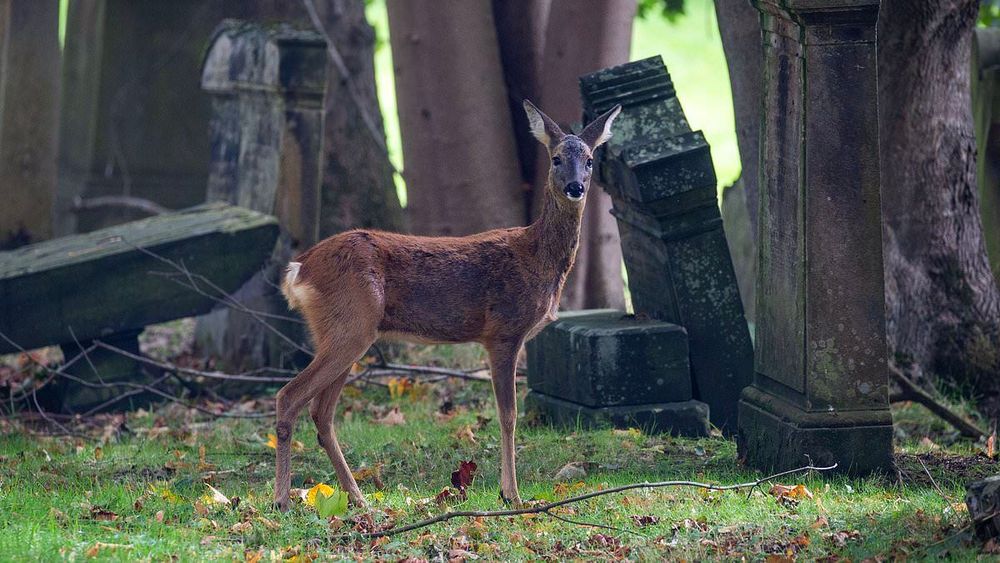
Scotland is introducing a pioneering urban deer management programme that will see trained professionals cull roe deer in towns and cities, with the resulting venison donated to food banks and charities.
The Central Belt Roe Deer Pilot Scheme, launching in East Kilbride, will deploy qualified deer managers to shoot animals in the early morning hours to minimise public disturbance. A mobile processing facility will convert the culled deer into venison for distribution to local communities.
The initiative addresses Scotland's growing deer population, which NatureScot estimates is approaching one million animals across the country, comprising approximately 500,000 red deer, 300,000 roe deer, 25,000 sika and at least 8,000 fallow deer. Current culling operations remove around 200,000 deer annually, as the animals have no natural predators to regulate their numbers.
A spokesman for the Scottish Gamekeepers Association explained the timing of the culls:
People in urban areas can be a little bit squeamish. They don't like to see that kind of thing. Mostly it'll be done very early in the morning or in conditions where the public are not around.
Expanding the programme
If the East Kilbride pilot proves successful, approximately 2,000 deer managers could be called upon to conduct culls across Central Belt towns, parks and nearby reserves. Roe deer have colonised urban and peri-urban areas throughout mainland Scotland more extensively than any other deer species, becoming particularly well established in lowland areas and the Central Belt.
Agriculture Minister Jim Fairlie emphasised the dual benefits of the scheme:
Good deer management protects young woodlands, supports peatland restoration, and helps our ecosystems recover. But it also sustains skilled jobs in rural areas and produces excellent food.
The minister added that the pilot would help preserve biodiversity whilst providing greater access to high-quality, sustainable venison for communities.
Public safety and environmental concerns
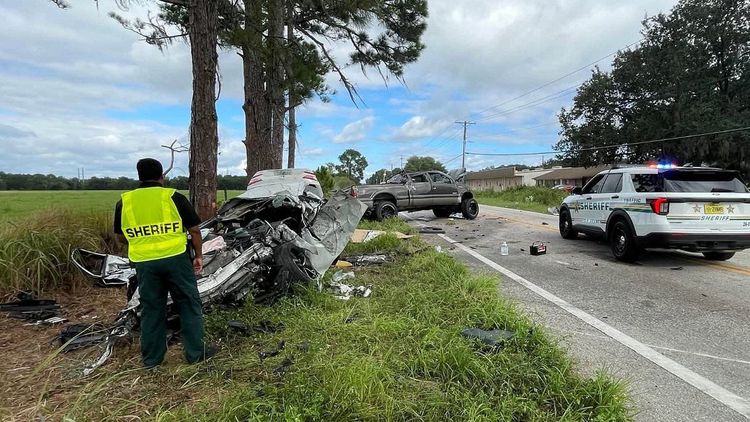
Roe deer are responsible for the majority of deer-related vehicle collisions in the Central Belt. Research indicates that deer vehicle collisions in Scotland number between 8,000 and 14,000 annually, with the Central Belt experiencing the greatest increase in such incidents. These collisions result in an estimated 50 to 120 human injuries each year and cost between £7 million and £13.8 million in vehicle damage and medical expenses.
The environmental impact is equally significant. Nearly 300 protected areas across Scotland face pressure from deer populations, including 230 of the country's 1,422 Sites of Special Scientific Interest and 52 of 243 Special Areas of Conservation.
James Hammond, NatureScot's Regional Deer Operations Manager, stressed the ecological importance:
Sustainable deer management is vital to bring populations back into balance with the rest of nature, allowing woodland and other habitats to regenerate. This innovative pilot scheme gives extra support to those working hard on the ground to tackle high deer numbers in the East Kilbride area, while helping to improve public safety and provide a local supply of healthy venison.
NatureScot estimates that meeting Scotland's biodiversity targets for 2030 and 2045 will require culling an additional 50,000 deer annually beyond current levels.
Nutritional benefits
Venison offers substantial nutritional advantages, containing approximately 26 grams of protein and only 3 grams of fat per 85-gram serving, with about 134 calories. This compares favourably to beef, which contains 15 grams of fat and 247 calories in the same serving size, making venison significantly leaner whilst remaining protein-rich.
Precedent in schools
The scheme builds on earlier initiatives introducing wild venison into public institutions. In January of last year, Argyll and Bute Council became the first in the UK to serve wild venison in school meals, initially at six schools on Jura and Islay as a pilot to reduce food miles.
Following positive results, the programme expanded a year later, with venison burgers and bolognese added to menus at Inveraray Primary in Argyll. The council described red deer venison as a nutrient-dense food, rich in protein and low in saturated fat, making it a healthy addition to school meals
, noting that its use reduces food miles and promotes sustainability.
Celebrity chef Tom Kitchin endorsed the approach, calling it a brilliant idea
and a no-brainer.
The Edinburgh-born chef, known for appearances on BBC programmes including MasterChef and Saturday Kitchen, advocated for nationwide adoption.
It's a really sustainable meat and it's super healthy, super lean, and there are zero air miles
Starting the kids at a young age, it just becomes second nature to them to enjoy these different cuts, different meats, different preparations.
Kitchin also suggested expanding the initiative to include other game such as pheasant and partridge as alternatives to battery-farmed chicken, emphasising the community benefits and quality of local food.