
Stalker killer 'tried to return to India' to serve life for Alice Ruggles murder
The parents of Alice Ruggles have revealed that her killer attempted to return to India to serve his life sentence, sparking fears he could be released early and pose a danger to their surviving family members.
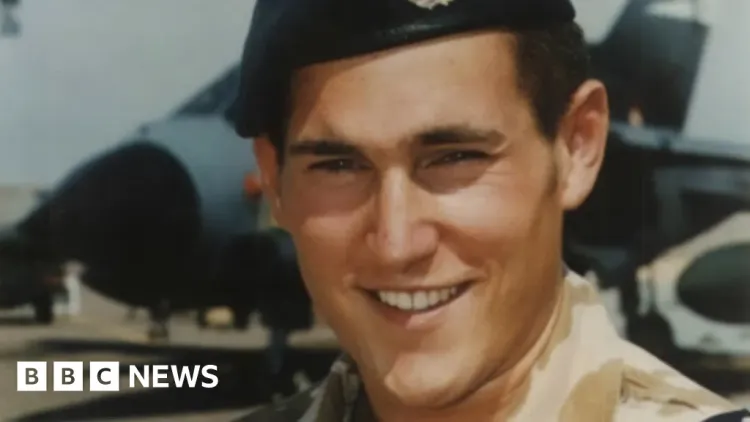
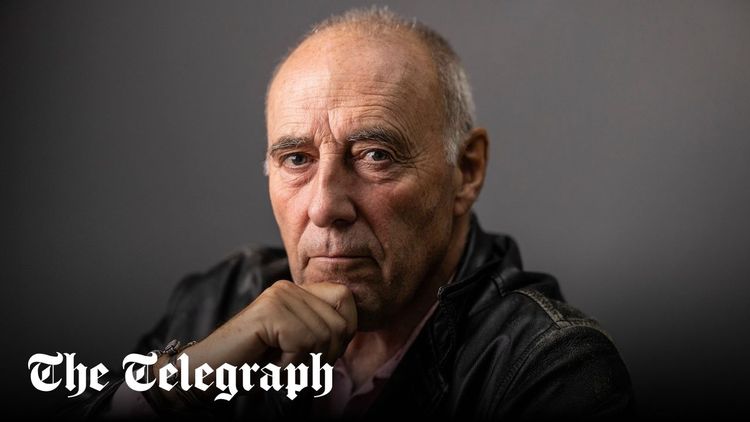
Professor Clive Ruggles and Dr Sue Hills waited three years before receiving confirmation that Lance Corporal Trimaan Dhillon, who trained with the Special Reconnaissance Service, would remain in a UK prison. The couple feared that if the transfer succeeded, Dhillon might secure an earlier release under Indian law and potentially return to carry out revenge attacks on their other daughter Emma and family members.
Alice Ruggles, 24, was murdered on 12 October 2016 after Dhillon travelled more than 120 miles from his Edinburgh barracks to her Gateshead flat. Just five days before her death, she had told him during a distressing exchange that she feared becoming another victim of domestic violence.
Dhillon, who stood 6ft tall and weighed 12.5 stone, cut the throat of the petite 5'2" woman in her bathroom, violating a court order that prohibited him from contacting her. At trial, he controversially claimed self-defence, alleging Alice had attacked him first. He has never expressed remorse for the murder.
Transfer application and family concerns
Dhillon submitted his transfer application in June 2020 under a bilateral prisoner transfer agreement between the UK and India. The treaty, signed in New Delhi on 18 February 2005 and entering force on 21 November 2005, allows for the transfer of convicted prisoners between the two countries. However, the agreement specifically prohibits transfers of persons convicted of offences under military law.
Clive Ruggles, 74, learned of the application only after the UK Government had begun considering it. The family had to actively campaign to prevent the transfer, which was finally rejected in June 2023.
Dhillon had previously attempted to appeal his life sentence in 2017-2018, but the Court of Appeal refused his application from HMP Durham.
Professor Ruggles explained the family's ongoing anxiety over the situation. He described discovering that the application had been approved at an initial stage and the subsequent 18-month process to ensure it was denied. He expressed concern that similar cases had proceeded without victims' families being informed until completion.
Sue Hills, 65, who continues to teach mathematics privately, emphasised the continued threat Dhillon poses. She noted that he had threatened their other daughter before murdering Alice and highlighted his complete lack of acknowledgement of responsibility for his actions.
Campaigning for change
The couple have spent the past decade campaigning to raise awareness about stalking and its dangers. They established the Alice Ruggles Trust, which delivers educational assemblies in secondary schools across the UK. Thousands of young people have received stalking awareness education through their programme, which includes free assemblies and PSHE lessons funded by organisations including the Northumbria Police and Crime Commissioner's office.
Research commissioned by the Suzy Lamplugh Trust and conducted by Professor Jane Monckton-Smith of the University of Gloucestershire examined 358 murders of women by men over three years. The 2017 study found that obsessive, fixated stalking behaviour appeared in 94 per cent of these homicides, with 85 per cent occurring in the victim's own home.
Current data reveals the scale of the problem. Approximately 1.4 million people aged 16 and over experienced stalking in England and Wales in the year ending March 2025, according to the Crime Survey for England and Wales. Stalking prosecutions have reached record levels, with 7,168 cases in 2024-25, more than tripling from 2,512 cases in 2020-21.
A domestic homicide review into Alice's murder in 2019 made 20 recommendations, including calls for revenge porn threats to be made illegal, reflecting threats Dhillon had made to share intimate photos of Alice.
The couple acknowledge that before the tragedy, they lacked awareness of stalking warning signs. Dr Hills recalled knowing about Dhillon leaving flowers at Alice's house and that Alice had contacted police, but not recognising the severity of the threat. She reflected on the common reluctance to believe such tragedies could affect one's own family.
Government response and concerns
Government sources stressed that prisoner transfer applications consider multiple factors, including the seriousness of the offence, the sentence imposed, and concerns raised by victims or their families. These considerations apply regardless of prison capacity pressures. The removal of foreign nationals has increased by 36 per cent, with nearly 10,000 returned since the current Government took office.
Professor Ruggles recently met with Government officials to discuss life sentencing policy. He argues that prisoner exchanges should not be permitted for murder sentences, which carry life terms with minimum tariffs. He contends that such transfers undermine the British legal system's protections for victims and their families, including the right to provide victim impact statements during parole considerations.
The Government is investing over £13 million to establish specialist teams focused on Stalking Protection Orders, which were introduced by the Stalking Protection Act 2019. These orders enable police to apply to courts to ban stalkers from contacting victims and visiting certain locations before a criminal conviction is secured. More than £1 billion is being invested in victim support over the next three years, including £550 million for victim services.
Domestic abuse specialists have been placed in 999 control rooms in 17 police forces to support frontline responders, and Domestic Abuse Protection Orders are being rolled out to safeguard victims.
A Government spokesperson said their thoughts remained with Alice's loved ones on the 10th anniversary of her murder, adding that every available measure must be used to tackle violence against women and girls. Richard Wright KC, who prosecuted Alice's case, has been appointed to conduct an independent review ensuring the law remains fit for purpose.
As the anniversary approaches, the couple find themselves reflecting on what Alice has lost. Dr Hills spoke of watching Alice's friends reach milestones such as marriages and children, thinking of all the experiences Alice will never have. They maintain a video of anecdotes from her job, which they watch during this difficult time each year.