Resignations at the center of the challenge
Mrs Justice Eady allowed the case to proceed at the High Court on Wednesday, saying: "I am persuaded this is a matter that warrants further consideration by the court." The ruling clears an initial hurdle rather than deciding the challenge. GB News reported that the full hearing is likely to take place in January 2027.
Stewart received £7,000 under the LGBT Financial Recognition Scheme, while Shephard received £5,000. Both were refused larger payments because their departures were recorded as resignations, not dismissals or administrative discharges.
The scheme, established by the MoD in 2024, provides a flat £50,000 Dismissed or Discharged Payment and a separate LGBT Impact Payment of up to £20,000. Isabelle Agerbak, the veterans' lawyer, said someone dismissed under the ban could therefore qualify for £70,000, while someone who resigned after an ultimatum was limited to £20,000.
There is also a distinction between commissioned officers and other ranks. Under the rules, former commissioned officers ordered or instructed by their Service Board to resign or retire because of their actual or perceived sexuality can qualify for the £50,000 payment. Non-officers forced to resign cannot. That difference is among the issues the court will examine.
An independent panel assesses impact payments using three tariff levels: £1,000 to £5,000 at Level 1, £5,001 to £10,000 at Level 2, and £10,001 to £20,000 at Level 3.
How the two men left the military
The military's LGBT ban operated between 1967 and 2000. Personnel who were gay or transgender, or were believed to be, faced interrogation and dismissal. An estimated 200 to 250 personnel left the services each year because of the ban.
Stewart, from southwest England, was a Royal Military Police corporal whose service ran from 1988 to 1995. The court heard that his duty pistol was taken away and he was escorted to his commander's office, where he was told that "incriminating letters" had been discovered. After questioning under caution, he resigned when told he faced a court-martial and possible imprisonment.
"Leaving under those circumstances was devastating," Stewart said. "My military career ended overnight. The impact of that decision has stayed with me ever since. I rebuilt my life, but what happened has stayed with me for nearly three decades. It affected my confidence, my relationships and how I saw myself."
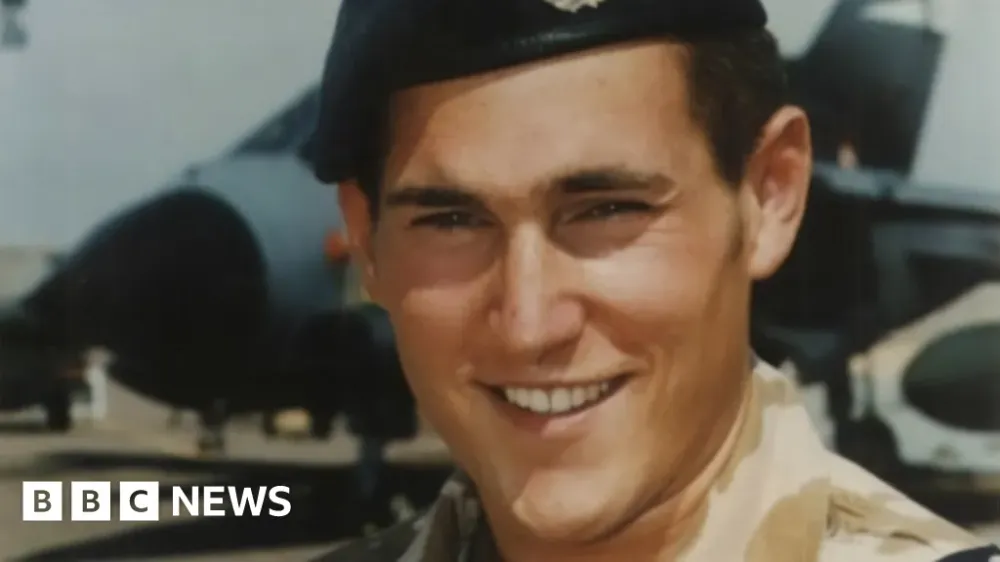
Shephard, a former senior aircraftman technician from Taunton, Somerset, served in the Royal Air Force from 1995 to 2001 and says he was interrogated about his sexuality. Following persistent bullying, he broke down in front of his commanding officer in 1999 and told her he was gay. He had not known about the ban.
He subsequently applied to leave the RAF after being told the alternative was summary dismissal. Shephard said he was "driven out of the career I trained hard to achieve and excelled at". Only recently had he told friends and family why he really left.
In 2024, Taunton MP Gideon Amos presented Shephard with an official apology under a program of restorative measures for people affected by the ban.
Competing arguments on fairness and cost
In written submissions, Agerbak described the scheme as "irrational and unfair". She said: "It is entirely unclear how and why the defendant arrived at an outcome whereby those who were compelled to resign would be eligible for tens of thousands of pounds less than those with similar experiences, but who were dismissed or discharged."
For the MoD, Amanda Jones argued that the claim was "not arguable". She said the scheme's purpose was to "mark and alleviate harm", that its total budget was limited, and that it did not amount to an admission of legal liability.
Jones told the court that £75 million had been spent on the scheme. Extending eligibility to people forced to resign would require "a very significant additional sum", she said. She also argued that resignation had given the claimants benefits they would not have received on dismissal, including a positive employment reference and not having to repay a £4,000 bonus.
Before the ruling, Defence Secretary Wes Streeting told The Guardian that the MoD was seeking a "way forward that doesn't require legal action".
The scheme's origins, funding and deadline
Financial recognition was one of 49 recommendations from the judge-led LGBT Veterans Independent Review, also known as the Etherton Review. Published in July 2023, the inquiry examined the ban on homosexuality in Britain's Armed Forces.
Announcing the scheme on December 12, 2024, Defence Secretary John Healey put its total budget at £75 million. He said that was 50% above both the amount recommended by the Etherton Review and the cap imposed by the previous government.
Official progress figures published on GOV.UK recorded 1,780 individual applicants and 2,309 decisions on cases as of September 28, 2026. Payments totaled £59,305,000 at that date.
The application window opened at 9 a.m. on December 13, 2024, and is scheduled to close at 11:59 p.m. on December 12, 2026, after 24 months.