Johnson & Johnson agrees £4.1bn settlement to resolve decades of talc cancer lawsuits
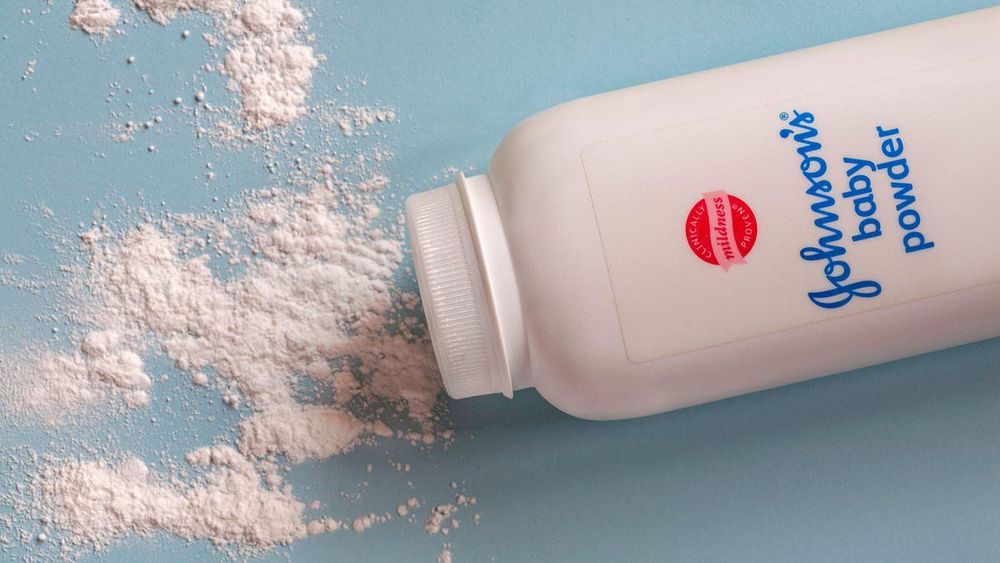
Johnson & Johnson has agreed to pay up to $5.5 billion (£4.14 billion) to resolve tens of thousands of lawsuits in the United States alleging its talcum powder products cause cancer, marking a potential end to nearly two decades of litigation over its iconic baby powder.
The New Jersey-based company, which first launched its baby powder in 1894, faces approximately 76,000 claims linking the product to ovarian cancer and mesothelioma. The proposed settlement would see around £2.26 billion paid out in 2027, with additional payments in 2028, though lawyers representing claimants believe the total could reach £5.26 billion.
Settlement follows failed bankruptcy attempts
The agreement comes after Johnson & Johnson unsuccessfully attempted to resolve the cases through three separate bankruptcy filings of a subsidiary between 2021 and 2025, a strategy known as the 'Texas Two-Step'. Each bankruptcy filing was dismissed by courts, forcing the company to pursue a direct settlement.
A significant difference in this settlement is the payment timeline. All claims will be paid within 18 months, unlike the previous bankruptcy proposals which would have spread payments over more than a decade.
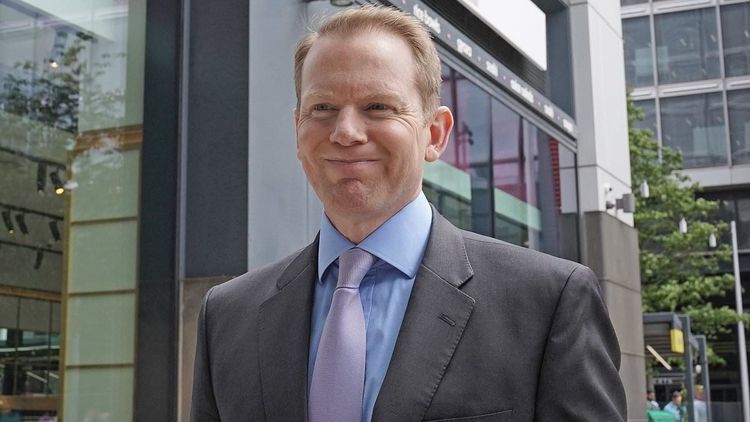
Erik Haas, Johnson & Johnson's vice president of litigation, said the settlement allows the company to move forward whilst maintaining its position on the science.
While we are confident the company would have ultimately prevailed with further litigation, as it has in the vast majority of cases tried to date, this resolution allows the company to put this matter behind it.
Legal battle spans 17 years
The first lawsuit against Johnson & Johnson over talc products causing ovarian cancer was filed in 2009. Since then, the litigation has grown substantially, with more than 68,000 talcum powder lawsuits filed as of July 2026.
In 2018, a jury ordered Johnson & Johnson to pay $4.69 billion to cancer victims in one of the largest verdicts in the case history, demonstrating the significant legal exposure the company faced.
The controversy intensified in October 2019 when the US Food and Drug Administration discovered trace amounts of asbestos in Johnson & Johnson's baby powder samples, prompting the company to recall 33,000 bottles. Talc and asbestos are naturally occurring minerals that often form in close proximity in the earth, which can lead to cross-contamination during mining.
In July 2024, the World Health Organization's International Agency for Research on Cancer reclassified talc from a 'possible carcinogen' to a 'probable carcinogen', the second-highest certainty level that a substance causes cancer.
Product reformulation and denials
Johnson & Johnson maintains that its talcum-based products are safe and do not cause cancer. The company changed its baby powder formula from talcum to cornstarch in the US in 2020 and globally in 2023.
Studies show talc is safe, does not contain asbestos and does not cause cancer,the company stated, describing the claims as 'meritless'.
Chris Seeger, one of the lawyers representing claimants, welcomed the development.
More than a decade of protracted litigation and three failed bankruptcies has left tens of thousands of women and their families waiting far too long for relief,he said, adding that his clients will 'receive fair and meaningful compensation'.
UK legal action continues
The US settlement does not affect litigation in other jurisdictions. In Britain, more than 3,000 people filed lawsuits at the High Court last year claiming they or family members developed ovarian cancer or mesothelioma from using baby powder between 1965 and 2023.
The UK claim, which could amount to around £1 billion, targets Kenvue, Johnson & Johnson's former consumer business that was spun off in 2023. Kenvue owns brands including Band-Aid, Listerine and Calpol, and holds liability for baby powder outside North America.
Tom Longstaff, partner at KP Law leading the UK group action, confirmed that the US settlement 'does not affect the claims being pursued in England and Wales, Scotland or in other jurisdictions around the world'. A UK trial is scheduled to begin in February 2028.
Kenvue said it would continue to defend itself against claims outside the US, stating that
the safety of Johnson's Baby Powder is backed by years of testing by independent and leading laboratories, universities, and health authorities in the UK and around the world.
For the US settlement to be finalised, legal firms representing 95 per cent of the claims in US courts must accept the proposal.