Lloyds Banking Group unveils £2bn cost-cutting plan powered by AI and digital transformation
Lloyds Banking Group has unveiled an ambitious four-year plan to slash costs by £2 billion through artificial intelligence and digital transformation, as the UK's largest digital bank reported a 23 per cent jump in pre-tax profits to £4.3 billion for the first half of the year.
The FTSE 100-listed group announced its new 'Accelerate 2030' strategy alongside second-quarter profits of £2.3 billion, surpassing analyst expectations of £2.1 billion. The bank, which serves approximately 28 million customers, also reported £5 billion in revenue whilst reducing operational expenses.
Technology investment and AI deployment
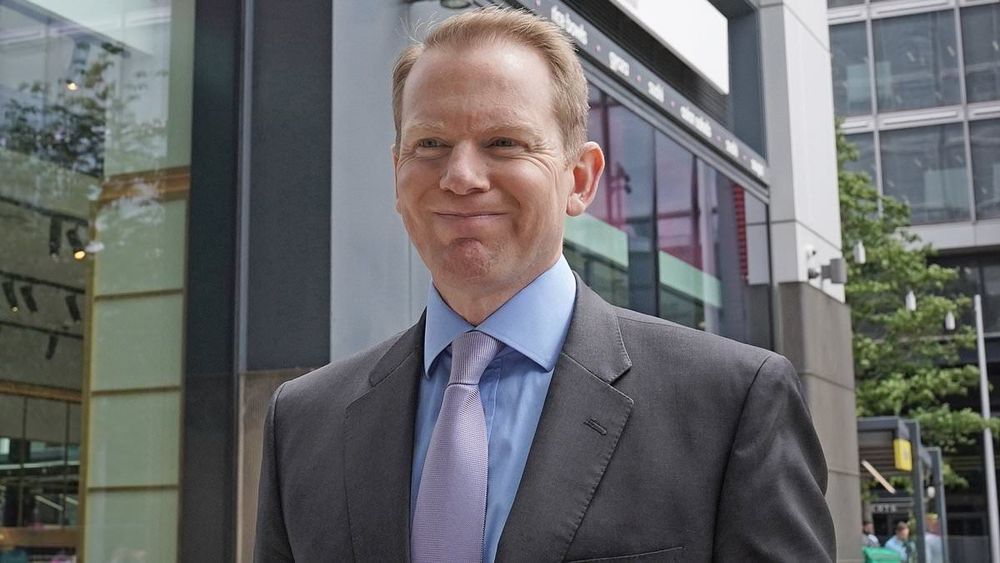
Chief executive Charlie Nunn said the bank would invest £13 billion in digital initiatives aimed at modernising its technology infrastructure and expanding the use of artificial intelligence across operations. The investment represents a continuation of the transformation Nunn has led since joining as Group Chief Executive in August 2021, following António Horta-Osório's decade-long recovery effort after the 2008-2009 emergency bailout and £20.3 billion government support repayment.
The cost-saving programme builds on the bank's existing target of delivering more than £2 billion in gross savings between 2022 and 2026, with the new strategy aiming to achieve an additional £2 billion by 2030 through process automation and technological efficiency.
Digital products and customer offerings
The strategy includes launching a new 'smart wallet' utilising technology from Curve, the London-based fintech company Lloyds acquired in the first half of 2026 for approximately £120 million. The acquisition price represented a discount to Curve's £133 million valuation from its 2023 Series C funding round. Curve's digital wallet platform enables customers to consolidate multiple cards into a single interface.
Lloyds also plans to develop an in-app transport platform creating a marketplace for vehicle finance, energy, leasing, insurance, mobility and servicing products. The bank aims to double its rental home portfolio to 20,000 properties and reduce home purchase completion times from weeks to days.
Financial performance and market position
The group's mortgage book, which accounts for 67 per cent of total lending and solidifies its position as Britain's biggest mortgage lender, increased by £1.8 billion year-on-year. Total loans and advances rose 2 per cent to £491.5 billion, whilst customer deposits climbed 1 per cent to £500.9 billion, driven primarily by commercial banking.
Underlying net interest income grew 9 per cent to £7.3 billion in the first half. The banking net interest margin improved by 15 basis points to 3.19 per cent, supported by structural hedge income and lending growth. However, the bank faces pressure on margins from persistently low interest rates and economic volatility affecting the entire UK banking sector, forcing diversification into fee-based services including payments, wealth management and advisory offerings.
Strategic transformation continues
Since 2022, Nunn—who previously held senior positions at HSBC including Global Chief Executive of Wealth and Personal Banking, and worked as a Senior Partner at McKinsey & Co. and Partner at Accenture—has overseen significant changes including digital banking transformation, expanded AI deployment, wealth business development, and hundreds of high street branch closures.
The bank closed 232 branches in 2026 and plans to shut 13 more in 2027, contributing to the closure of more than 1,547 branches between 2015 and June 2026. This reflects an industry-wide trend, with an estimated 6,693 bank branches closing across all major UK banking groups between January 2015 and January 2026, according to consumer advocacy organisation Which?
Most recently, Lloyds decided to retire the 173-year-old Halifax brand, which it has owned since 2009, rebranding those operations under the Lloyds name from July 1, 2026.
Nunn said:
We are successfully completing our 2022 to 2026 strategy, focusing on customer experience, pivoting the group to growth and laying the foundations for our exciting new strategy. We have strengthened our market leadership, built our digital and AI capabilities, and enhanced our cost and capital leadership, while remaining on track to deliver our 2026 financial targets.
The new strategy builds on Nunn's 2022 pivot to generate more income from sources less tied to interest rate cycles than traditional lending, including increased revenues from managing clients' pensions, investments and insurance. The bank maintained its annual guidance unchanged.
Shares in Lloyds rose 1.71 per cent to 113.25p on Thursday, having climbed over 40 per cent in the past year.