Shell profits surge to $9.84bn as oil traders capitalise on Middle East volatility
Shell delivered its strongest quarterly performance in four years after traders capitalised on extreme volatility in global oil markets, driving second-quarter profits to $9.84 billion — more than double the $4.26 billion recorded in the same period last year.
The FTSE 100 energy giant beat market expectations of $8.79 billion, marking its best quarterly result since the second quarter of 2022. The company reported underlying earnings of $16.75 billion for the first half of 2026, with the April-to-June period accounting for the bulk of those gains.
Trading profits soar amid oil price turbulence
Shell's chemicals and products division, which houses its oil trading operations, generated $2.88 billion in the second quarter — a dramatic leap from just $118 million in the same quarter of 2025. The surge reflected exceptional trading performance as Brent crude prices swung wildly throughout the spring.
Oil prices peaked at $126.41 per barrel on 30 April 2026, driven by escalating Middle East tensions. The April monthly average reached $117.29 per barrel, roughly $53 higher than April 2025 prices. Though prices subsequently retreated to around $90 per barrel, ongoing geopolitical instability has prevented any sustained decline.
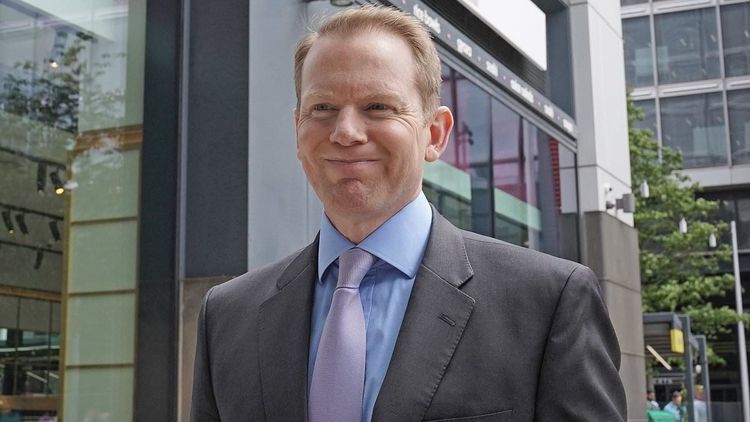
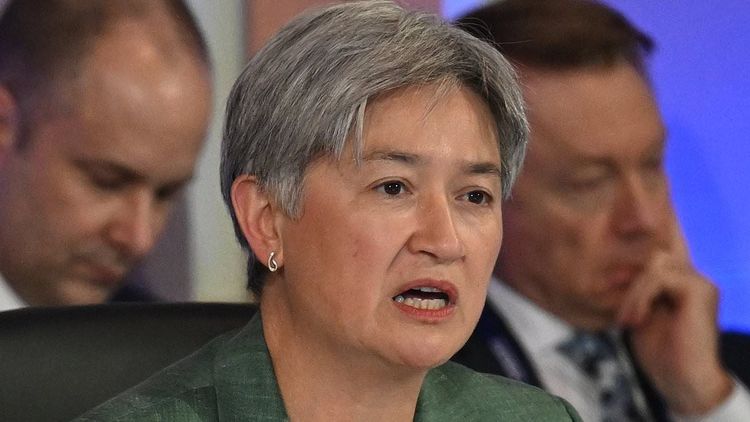
Chief executive Wael Sawan said the results demonstrated strong operational performance during severe market disruption.
Shell's operational performance enabled very strong results during another quarter of severe disruption in global energy markets, as we worked hard to provide critical energy supplies and products to our customers.
Qatar facility damage weighs on production
Despite the trading windfall, Shell faced significant production challenges after Iranian missile strikes damaged its Pearl gas-to-liquids facility in Qatar on 18 March 2026. The attack, part of broader strikes on Ras Laffan Industrial City in retaliation for Israeli action against Iran's South Pars gas field, halted production at the world's largest GTL plant.
Pearl GTL, which processes up to 1.6 billion cubic feet of gas daily into 140,000 barrels of liquid fuels, is expected to remain offline for approximately one year while repairs are completed. The facility represents roughly 10 per cent of Shell's Middle East production, which accounts for about 20 per cent of the company's total oil and gas output of 550,000 barrels of oil equivalent per day.
The broader damage to Ras Laffan — which produces approximately one-fifth of the world's liquefied natural gas supply — has created lasting supply constraints. QatarEnergy chief executive Saad al-Kaabi said the Iranian attacks destroyed 17 per cent of Qatar's LNG capacity, with repairs potentially taking three to five years.
Total production in Shell's integrated gas unit fell 31 per cent between the first and second quarters of 2026, with lower LNG volumes reducing earnings by $907 million in the second quarter alone.
Financial strength improves despite disruption
Shell demonstrated robust financial management alongside the earnings growth, reducing net debt from $52.6 billion at the end of the first quarter to $41.8 billion. The company's gearing ratio improved to 18.7 per cent from 23.2 per cent, supported by strong free cash flow generation of $17.5 billion in the second quarter.
The company has also delivered approximately $700 million in structural cost reductions during the first half of 2026, contributing to total cost savings of $5.8 billion achieved since 2022.
Shell announced new share buybacks totalling $3 billion, in addition to a previously announced $1.2 billion programme. Shares rose 1.16 per cent to 3,362p in early trading, extending year-to-date gains to 22 per cent.