European heatwave drives strong sales
The Magnum Ice Cream Company has reported contrasting fortunes across its markets, with record-breaking heatwaves propelling ice cream sales in Europe while growth in the United States has slowed to a near-standstill amid the rising popularity of weight loss medications.
The world's largest standalone ice cream business, which was spun off from Unilever in December 2025, saw sales volumes rise 5 per cent in Europe during the second quarter. The company, which owns brands including Magnum, Cornetto, Wall's and Ben & Jerry's, attributed the strong performance to favourable weather conditions, with France and the UK performing particularly well.
Europe experienced its warmest June on record this year, with Western Europe recording an average temperature of 20.74°C—some 3.05°C above the 1991-2020 average. The UK broke temperature records in both May and June, with thermometers reaching 37.7°C in Norfolk on 26 June.
American market challenges
The picture in the Americas proved markedly different. Sales volumes grew by just 0.1 per cent in the second quarter, down from 1.8 per cent growth in the same period last year. The company has been forced to rely on price increases rather than volume growth to drive revenues.
Industry analysts point to the growing adoption of GLP-1 drugs such as Ozempic as a significant factor reshaping consumer behaviour. Approximately one in eight US adults—around 18 per cent according to recent surveys—is now taking such medications, up from roughly 14 per cent in 2025.
Research indicates the drugs' impact on food purchasing is substantial. Studies show that households with at least one GLP-1 user reduced grocery spending by approximately 5.5 per cent within six months of starting treatment, with spending on sweet and salty snacks and baked goods falling by about 11 per cent. A survey by consultancy EY-Parthenon found that 70 per cent of GLP-1 users who reported consuming fewer calories said they were snacking less.
Morgan Stanley forecasts that consumption of confectionery, baked goods and salty snacks could decline by up to 3 per cent by 2035 as obesity drug use increases.
Strategic response
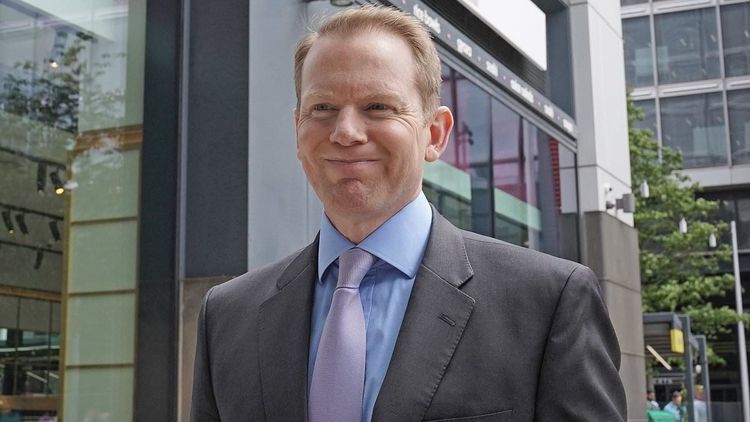
Chief executive Peter Ter Kulve acknowledged the changing market dynamics whilst maintaining an optimistic outlook.
Our key summer selling season got off to a strong start, he said, adding that the ice cream market
goes from strength to strengthand is now
drivenby consumers seeking products with
more calorie control.
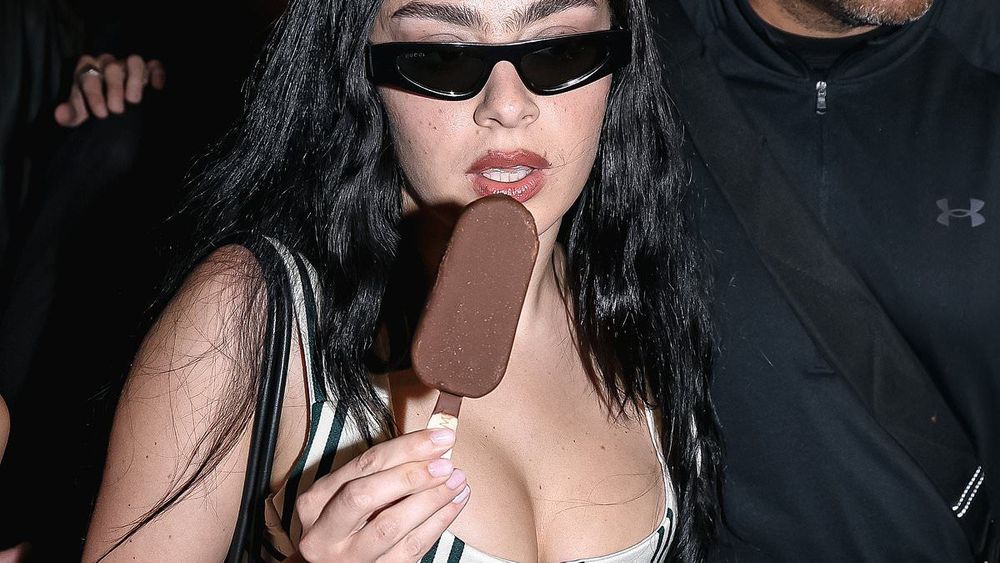
The company has responded by expanding its range of smaller-portion products, including Magnum Bonbons and Ben & Jerry's Peaces. Ter Kulve said consumers are shifting away from purchasing large tubs of ice cream and instead buying premium products on sticks as occasional indulgences.
Overall, global sales rose 4.9 per cent in the second quarter, with revenues exceeding £2.5 billion. However, profits fell 14 per cent to £430 million from £502 million over the first six months of the year.
Ben & Jerry's governance dispute
The results come against a backdrop of continuing tensions with Ben & Jerry's co-founders Ben Cohen and Jerry Greenfield over the brand's political activism and governance.
The Ben & Jerry's Foundation announced in July that it would shut down at the end of the year after The Magnum Ice Cream Company cut off funding, ending $600,000 in annual grants to Vermont organisations and four decades of progressive mission work.
Cohen has accused the company's leadership of attempting to suppress the brand's political voice, particularly regarding its support for Gaza and criticism of Israel. Three members of Ben & Jerry's independent board were required to leave their positions last year when the company introduced new governance practices.
On Thursday, Ter Kulve said the company continues to fund
all the important activism goalsassociated with Ben & Jerry's but maintained that
we needed a governance step up. He also stated the company is not considering selling the brand, which was acquired by Unilever for £251 million in 2000 with an agreement it would be managed by an independent board.
Outlook and risks
The company maintained its guidance for annual sales growth of between 3 and 5 per cent. However, it noted continuing uncertainty in the global environment, particularly in the Middle East and the associated impact on input costs, though it said its direct regional exposure remains limited.
The Magnum Ice Cream Company, which became the world's largest independent ice cream business when it began trading as a separate entity in December 2025, had a market capitalisation of approximately 7.9 billion euros at the close of its first trading day.