Burnham's VAT cut on electricity to make EVs less appealing for many
Prime Minister Andy Burnham's decision to slash VAT on household electricity bills threatens to widen the cost divide between electric vehicle drivers who can charge at home and the millions forced to rely on public charging infrastructure.
Burnham, who took office on 20 July after succeeding Keir Starmer, announced on Tuesday that VAT on domestic electricity will drop from 5 per cent to zero for six months starting 1 October. The measure aims to offset an expected rise in the Ofgem energy price cap from £1,663 to approximately £1,747.
While the tax cut will save typical EV owners between 24p and 78p per charge, it creates a troubling disparity for the 32.8 per cent of UK households—around 9 million homes—without driveways or dedicated parking spaces.
The charging cost chasm
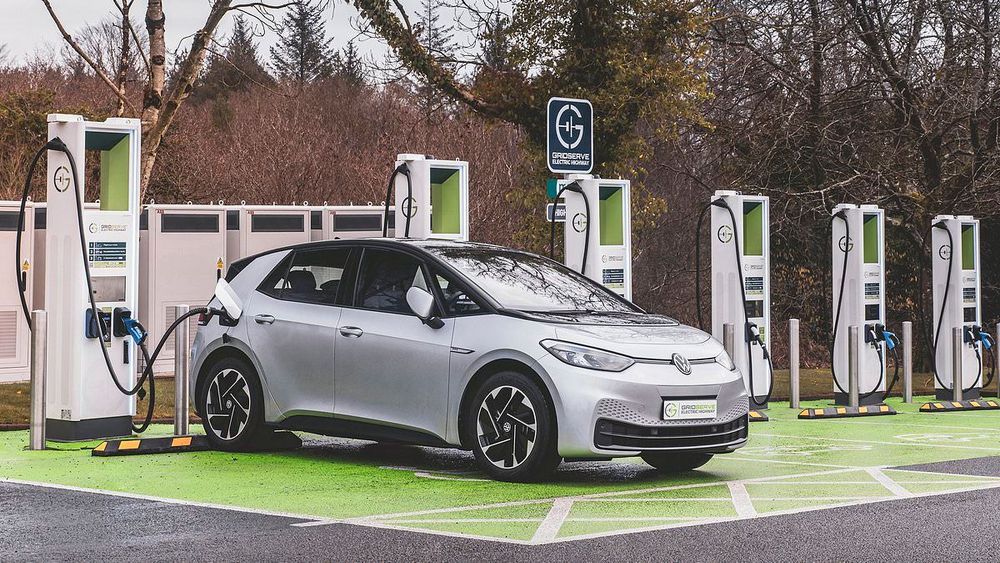
For drivers with home wallboxes accessing dedicated EV tariffs, off-peak charging costs as little as 7p per kilowatt-hour. A 100kWh electric vehicle can be fully charged for just £7. After the VAT cut takes effect, this cost will drop even further.
By contrast, public charging costs average 83p per kWh, meaning the same 100kWh vehicle costs £81 to charge—more than ten times the home charging rate. Public charging infrastructure carries 20 per cent VAT, creating a tax penalty that the new policy will only amplify.
The disparity becomes stark in real-world terms: driving 100 miles costs approximately £2 when charging at home, but £28 at ultra-rapid public stations—nearly double the £14 cost of driving the same distance in a petrol car.
In urban areas, the problem intensifies. In Tower Hamlets, London, 93 per cent of residents lack driveway access. Across London, 78 per cent of households face the same constraint, and only 60 per cent of London EV drivers can charge at home compared to 80 per cent nationally. London drivers use public on-street charging at five times the national average.
Industry calls for VAT equality
EV advocacy groups warn that Burnham's measure, while welcomed by existing owners, risks deterring potential buyers without off-street parking from making the switch to electric.
Vicky Edmonds, CEO of EVA England, said the VAT cut makes cars that already save drivers thousands of pounds cheaper to run, but millions without driveways will not benefit. She called for the Government's Cost of Public Charging Review to deliver structural reform.
John Lewis, chief executive of char.gy, said the policy throws the unfairness of the current VAT system into sharper focus, adding that drivers relying on public charging still pay 20 per cent VAT for the same electricity.
Guy Bartlett, CEO of Believ, described an increasing VAT penalty for those without driveways, calling for an end to what he termed a postcode lottery by aligning public charging VAT with home energy rates.
Survey data shows 85 per cent of drivers believe public charging costs are too high, and only 15 per cent of those using public on-street charging points report satisfaction with the experience.
Legal battle over VAT rates
A First-tier Tribunal ruled in March 2026 that public EV charging should qualify for the 5 per cent reduced VAT rate under existing rules. HMRC is appealing the decision, which could cost the Treasury an estimated £85 million annually. Industry analysis suggests equalising VAT rates would save drivers without home charging up to £145 per year.
Current figures show 91 per cent of UK electric vehicle owners have access to home charging, meaning drivers in terraced properties and flats account for just 9 per cent of the nation's EV ownership pool.
Of Britain's 28.4 million households, 67.2 per cent have driveway access—approximately 19 million homes able to benefit from cheaper charging costs. The remaining 9 million face a widening cost disadvantage that industry experts warn could slow the transition to electric vehicles among those most reliant on public infrastructure.