Thames Water creditors offer government 'golden share' to avoid nationalisation
Creditors battling to maintain control of Thames Water have offered Prime Minister Andy Burnham's government a 'golden share' in a last-ditch effort to avoid nationalisation of the debt-burdened utility.
The London & Valley Water consortium, which includes major creditors Silver Point Capital and Elliott Management, put forward the proposal as Thames Water struggles under approximately £20 billion in debt while serving 16 million customers across London and the South East.
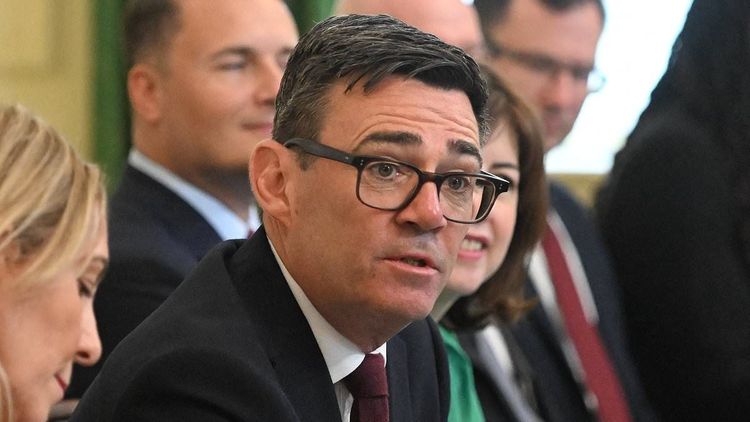
Burnham, who became Prime Minister on 20 July following Keir Starmer's resignation, has maintained that public ownership represents the optimal solution for the troubled water company. The former Greater Manchester Mayor now faces a critical decision on the future of an essential public service.
What the proposal offers
The consortium acknowledged that the new government seeks greater local public control and accountability in water companies to protect investment and ensure service improvements. Under their plan, a golden share would grant the government veto powers over major corporate actions including asset sales, foreign takeovers, or constitutional changes.
This mechanism, which originated during Margaret Thatcher's 1980s privatisation programme, was previously used in strategic companies like British Gas and British Telecom to maintain government oversight.
The creditors also proposed establishing a supervisory body with enhanced local representation for councils and regional leaders. This could potentially give London Mayor Sadiq Khan an oversight role at Thames Water, which on Thursday imposed a hosepipe ban affecting 10 million customers due to exceptionally dry weather and low reservoir levels.
Financial transformation since privatisation
Thames Water was privatised in 1989 under Thatcher's Conservative government through the Water Act 1989, when ten regional water authorities were sold to the private sector. At that time, the company was relatively debt-free, with leveraged debt of just 7% in 1990/91.
The dramatic financial transformation over subsequent decades saw debt balloon to £19.77 billion as of March 2026, creating the crisis that now threatens the company's survival.
Mounting pressure and tight timeline
The consortium's £10 billion rescue proposal, which includes a controversial four-year waiver on new fines for sewage leaks, has faced government scepticism. Environment Secretary Emma Reynolds warned in June that the plan did not adequately protect customers or the environment.
Time is running short for all parties. Thames Water has stated it possesses sufficient funding only until October 2026, creating urgent pressure to finalise a rescue deal or face potential collapse.
A spokesman for London & Valley Water said the consortium recognises Thames Water as a company of national importance and looks forward to working with the government on a long-term solution. The spokesman emphasised their belief that the consortium's plan offers the fastest and most reliable route to resolving the company's complex problems.
Under the proposal, customers would receive strong protections whilst regulators and government would gain enhanced oversight. The plan promises greater controls to ensure Thames Water delivers the record investment needed to improve environmental and operational performance.
The government holds golden shares in several privatised companies of strategic importance, including Royal Mail following its takeover by EP Group last year. These special rights enable the Secretary of State to block major corporate actions deemed contrary to the national interest.
As negotiations continue, the fate of one of Britain's largest water companies hangs in the balance, with implications for millions of customers and the broader water industry across England and Wales.