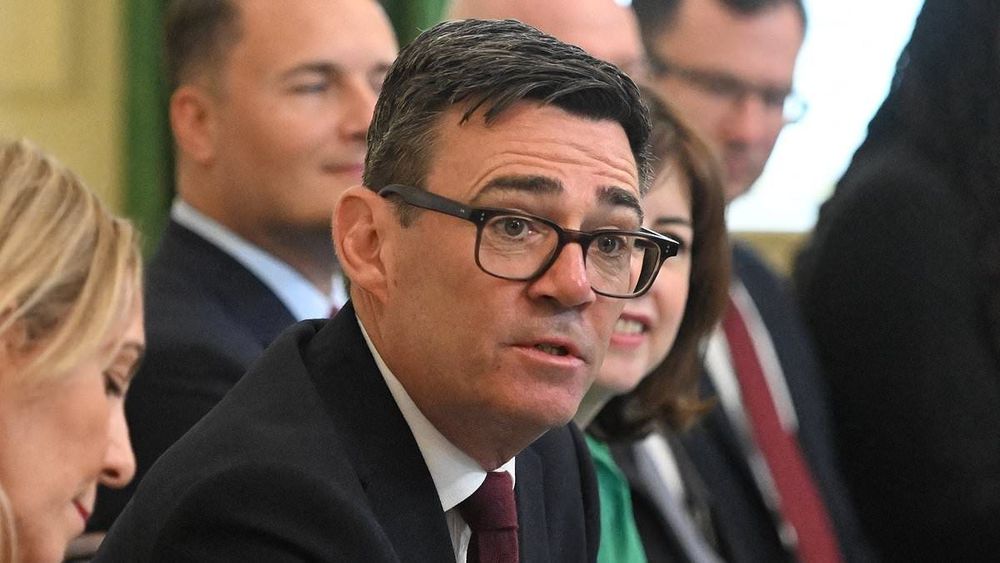
Bus fares capped at £2 in England from start of next year - Burnham
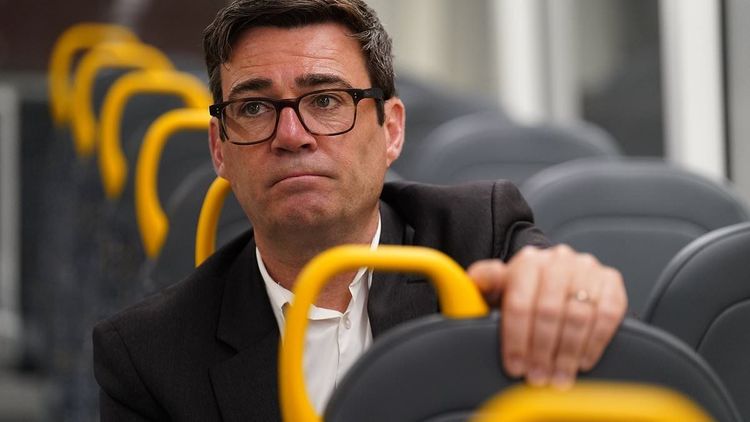
Prime Minister Andy Burnham has announced that single bus fares across England will be capped at £2 from January next year, bringing back a popular cost-of-living measure he first implemented during his time as Mayor of Greater Manchester.
The policy, which will cost more than £500 million, marks one of Mr Burnham's first major domestic announcements since becoming the UK's seventh prime minister in a decade on July 20, succeeding Keir Starmer who resigned in June after two years in office.
Mr Burnham served as Mayor of Greater Manchester for nearly a decade before returning to Westminster, where he originally introduced the £2 bus fare cap in September 2022 as part of the 'Bee Network' initiative that brought buses back under public control in the region.
The nationwide cap is currently set at £3 until the end of March 2027, though some areas including London and Greater Manchester already have lower rates. The £2 level represents a return to the cap originally introduced by the Conservative government in January 2023 as a cost-of-living measure, before Labour increased it to £3 from January 2025.
The government says it has allocated £454 million through the reallocation of funds, with the money coming from switching investment in international climate finance to loans and savings in the Department for Energy Security and Net Zero budget. The remaining £50 million will come from Department for Transport funding already allocated to buses.
However, Shadow Chancellor Mel Stride has questioned the funding arrangements, telling BBC Breakfast:
That is a worrying sign, we need to have a government which is on top of the public finances, not one that is making lots of spending commitments without explaining where the money is going to come from.
Fiscal constraints and abandoned tax plans
The bus fare announcement comes as Mr Burnham has stepped back from the idea of unfreezing the income tax-free personal allowance, despite raising it as a major issue during his recent by-election campaign in Makerfield. The allowance has been frozen at £12,570 since April 2021 and is scheduled to remain frozen until April 2031, a ten-year freeze that economists call 'fiscal drag'. If indexed to inflation, the allowance would be approximately £16,070 for 2026-27, a difference of £3,500 from the frozen level.
Those close to the Prime Minister are understood to have dissuaded him from increasing the allowance, which would cost the exchequer billions of pounds annually, in favour of more targeted measures like the bus fare cap.
Digital ID controversy fuels funding debate
Mr Burnham has said the bus fare cap will be partly funded by scrapping his predecessor's digital ID scheme. Keir Starmer had announced the scheme in September 2025, intended to combat illegal working and be rolled out by 2029, though it faced strong opposition with nearly 2.9 million people signing a petition against it.
The Office for Budget Responsibility estimated the digital ID scheme would cost £1.8 billion over three years, though the Starmer government disputed this figure and stated no specific funding had been identified for it. This has created uncertainty about whether savings from cancelling the scheme can genuinely fund new spending.
Darren Jones, who was sacked by Mr Burnham on his first day as Prime Minister, posted on X to warn that
the Digital ID program was unfundedand that
the Government will have to set out how it will pay for its new policies at the Budget.
Wider cost-of-living package
The bus fare cap forms part of Mr Burnham's stated commitment to tackle the cost of living. Yesterday, he announced the removal of 5 per cent VAT on household electricity bills, which he said would cost £850 million and also be funded by scrapping the digital ID scheme.
Mr Burnham said:
Good, affordable transport links are an essential. No one should be priced out of those and left behind. But for too long people have said that cheaper transport isn't an option. I don't accept that. I've done it before and I will do it again now: a £2 cap on bus fares for millions across the country.
London Mayor Sadiq Khan is separately introducing a 'Weekend Hopper' ticket from Saturday, allowing unlimited bus travel on weekend days during summer holidays for £1.75.
The policy comes as bus usage outside London has declined significantly, with bus mileage in the year ending March 2024 about 25 per cent lower than in 2005, partly due to funding pressures and service cuts affecting local council-supported routes.
Having already pledged £340 million to end homelessness in his maiden speech in Downing Street, Conservative leader Kemi Badenoch has questioned the Prime Minister's fiscal approach, asking:
Where's the money coming from? I am very concerned the Prime Minister is making a lot of promises without giving the country an explanation about how we can afford them.
The Office for National Statistics previously found that while Mr Burnham's Manchester bus cap contributed to a rise in bus usage, it did not score highly for value for money as many fares were already below £2.