Minister admits £450m funding for £2 bus fare cap 'not worked out yet'
The government's announcement of a £2 single bus fare cap across the country has been thrown into disarray after Transport Secretary Heidi Alexander admitted the funding arrangements remain unclear.
Despite Prime Minister Andy Burnham boasting about the policy, which will replace the current £3 cap, Ms Alexander told Sky News that the 'detail' of where £454 million in funding will come from 'hasn't been worked through yet'.
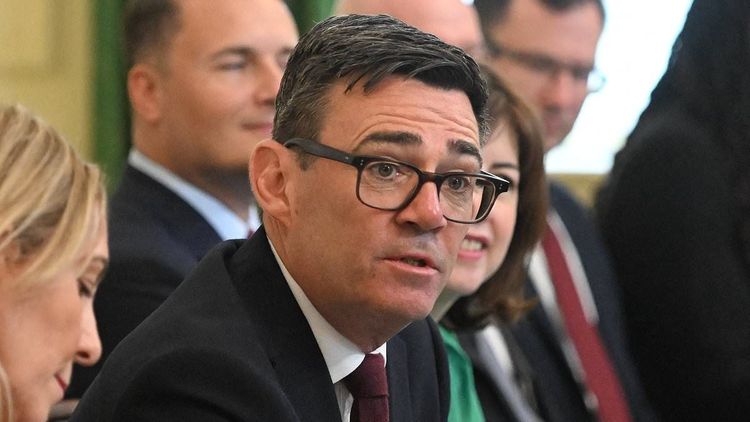
The admission is particularly embarrassing as it came just one day after Mr Burnham told his first Cabinet meeting that ministers must 'always show how they are going to pay' for policies, emphasizing his commitment to Treasury fiscal rules.
Funding plan raises questions
The government claims it will fund the cap by 'reprioritising' funds within the Department for Energy Security and Net Zero. Around £400 million previously allocated for non-repayable grants to developing countries as part of International Climate Finance commitments will instead be converted to loans.
However, when pressed on whether interest would be charged on these loans, Ms Alexander would only say there would be 'favourable' terms for recipients. This raises the prospect of the UK government needing to borrow money to lend without any real returns.
She told Sky News: 'The detail will need to be worked out. We wanted to make the announcement today...'
An additional £54 million is expected to come from unspecified 'underspends' in the department's budget.
VAT cut on electricity bills also unfunded
The confusion extends beyond bus fares. A separate proposal to remove 5 per cent VAT from domestic electricity bills this autumn was also thrown into chaos after it emerged the £850 million funding had not been earmarked.
The government insists this will be paid for by axing Keir Starmer's ID cards scheme. However, Darren Jones, who was brutally sacked from the Cabinet by phone in Mr Burnham's purge of Starmer loyalists on Monday, warned that policy was unfunded.
New Chancellor John Healey now faces having to find the cash at the Budget, heaping more pressure on already stretched public finances.
Council housing pledge questioned
Mr Burnham also appeared to execute another policy reversal, suggesting there will be no new funding for council housing despite pledging the biggest construction drive in history. Instead, he indicated that existing funding for social housing will be redirected to council housing.
'The Government had already allocated £39 billion to housing over ten years. My instruction on coming into this job is to spend a greater proportion of that funding on new council housing because that gives the biggest return on investment than anything else.'
The PM has also embarrassingly dropped a push to end the freeze on tax thresholds. Mr Burnham had made clear twice since entering No10 that he wanted to increase the personal allowance, saying the issue had 'lodged in his mind' after being repeatedly flagged on doorsteps. However, aides have now admitted there is no prospect of the change happening any time soon.
Bus fare cap details
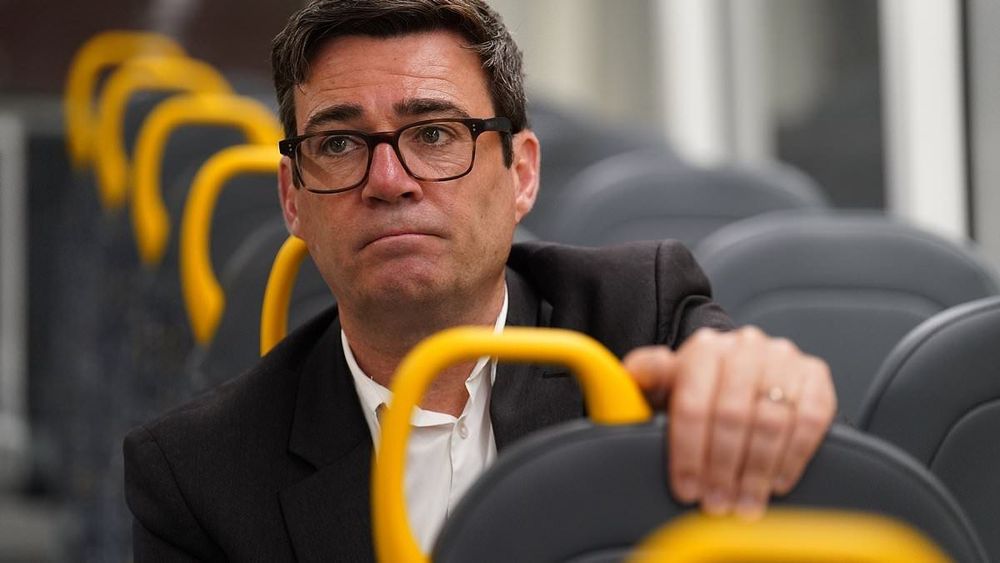
The £2 bus fare cap will be in place from January and last through 2027. An equivalent cap had been in place nationally between January 2023 and December 2024, but the incoming Labour administration argued it was not affordable. Some metro mayors, including Mr Burnham, decided to fund an extension of the lower limit in their areas.
Speaking to broadcasters on a visit to the South West, Mr Burnham batted away questions about the funding, insisting he will 'always be honest with the public'.
'This week, the three policies I've announced – ending rough sleeping, the bus cap we're announcing today and the removal of VAT off electricity bills – are all fully funded, and that's the way I will go.'
Chancellor Healey said 'millions of people' would benefit from fares being slashed by a third and insisted the measure could be paid for. 'This action to ease the cost of living is funded by savings made elsewhere, so there's no burden to British taxpayers, just pounds going back into their pockets,' he said.
However, critics point out that the loans will add to the already enormous national debt pile, which is typically considered a significant burden on taxpayers.