Access to home charging, but installation costs remain
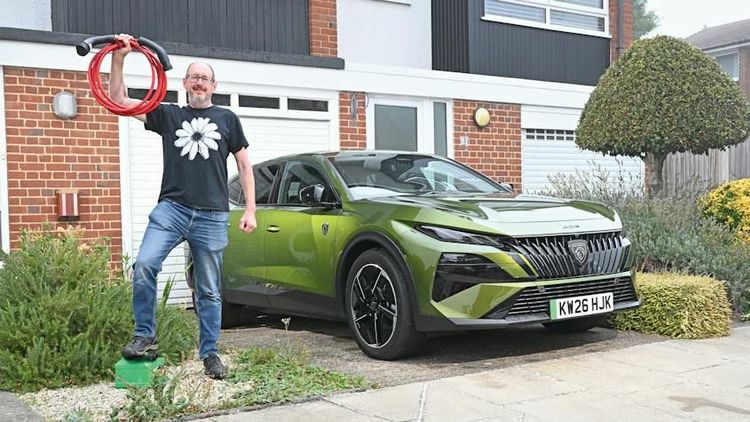
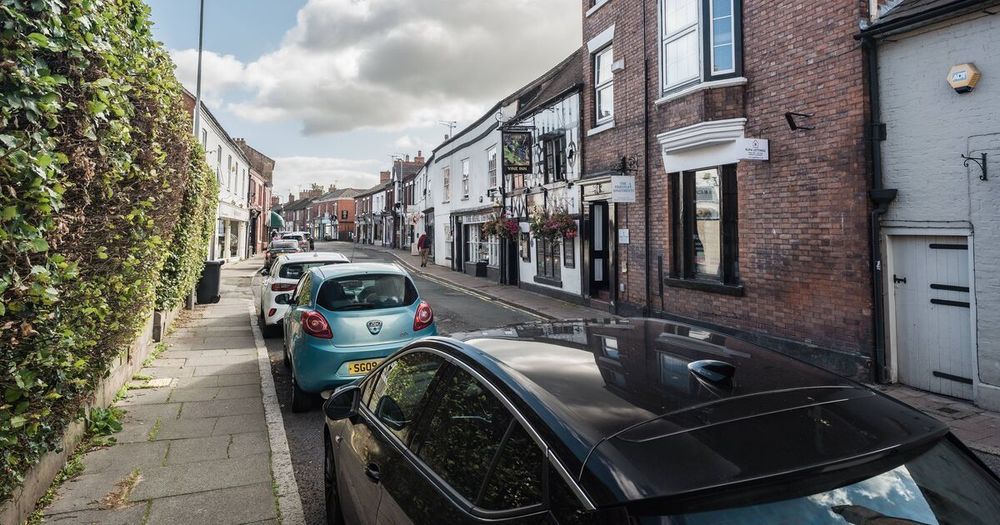
Cross-pavement systems take charging cables beneath the sidewalk from a home to a vehicle parked on the street. The government says removing the planning application requirement will simplify installation and give more drivers access to home charging costing as little as 2p per mile. It describes the measure as one of its "everyday fixes" to help with living costs.
The Department for Transport says access to domestic electricity rates through cross-pavement charging could bring running-cost savings of up to £1,750. That is separate from the potential one-time saving on installation.
Installation still involves a substantial expense. Auto Express puts the typical cost of a home charger at £800 to £1,200, with the additional under-pavement work requiring roughly twice those amounts. The publication also reports that about 40% of UK properties lack a driveway; the planning change applies in England.
Research by EVA England, cited by the government, found that 60% of gasoline and diesel drivers without off-street parking would never consider an EV. The change is intended to address that obstacle.
Highway approval and location restrictions still apply
According to Planning Portal, amendments to the General Permitted Development Order created the new right to proceed without an individual planning application. It does not apply in conservation areas, at sites designated as scheduled monuments or within the grounds, known as the curtilage, of listed buildings.
The right covers installing, altering or replacing a cross-pavement system, but the relevant highway authority must carry out the work, have it done on its behalf or authorize it. Residents cannot independently install a channel. Separate highway authorization and any necessary street work permissions remain in place.
There is also a removal obligation: once the system is no longer needed, it must be taken out and the pavement restored to its former condition as soon as reasonably practicable.
The amendments have a broader scope as well. Subject to specific conditions and limits, certain domestic EV charging outlets and upstands can now be installed within the curtilage of a house or apartment building in areas other than those used for off-street parking.
Advisers welcome the saving but question its reach
Scott Gallacher, director at Rowley Turton, welcomed the removal of bureaucracy at what he described as virtually no cost to taxpayers. Speaking to the Express, he noted that most homeowners with driveways already have permitted development rights for EV chargers. The new measure therefore targets people without off-street parking, and approval for crossing the pavement is still necessary.
Gallacher, an EV owner, questioned how many motorists had actually been paying £300 for planning permission. He characterized the benefit as a welcome one-time saving for a relatively small group rather than a transformation, arguing that vehicle prices remain the biggest obstacle to EV ownership, including in the used market.
Harry Goodliffe, director at HTG Mortgages, challenged the government's cost-of-living framing. He argued that the saving benefits people who can already afford an electric car and have a house with curbside parking, while allowing the government to claim credit for removing a rule he considered unnecessary.
Goodliffe also pointed to nearly 100,000 EV sales in a month, attributing that result to the £3,750 grant rather than the planning change. He described the grant as assistance for people with money available to spend. Separately, the Department for Transport says the Electric Car Grant has helped more than 190,000 drivers save up to £3,750 on a new EV.
Steven Greenall, a mortgage and protection adviser at Protect & Lend who owns an EV, described his current savings as "astonishing" and welcomed wider access to home charging. But he questioned how pedestrians would navigate sidewalks if they were dug up each time a household wanted to run a cable to the roadside.
Nouran Moustafa, practice principal and independent financial adviser at Roxton Wealth, said the change helps narrow the charging-cost gap between drivers with driveways and those who park on the street. She cautioned, however, that a £300 installation saving would not persuade her to buy an EV.
Moustafa said buyers need to weigh the vehicle's purchase price and depreciation alongside insurance, mileage, charging access and the available electricity tariff. Reliable home charging can make an EV financially sensible for some high-mileage drivers, she said, while someone who drives little could spend far more replacing a serviceable gasoline car early than they would save. "An EV should be a transport decision first, not a grant decision," she said.
Consultations cover renters and covered parking
Alongside the planning change, the government opened two consultations on expanding home charging access and equipping new buildings with chargers. Proposals include clearer guidance for landlords and possible mandatory requirements preventing landlords and freeholders from refusing renters' charge-point applications.
The consultations also consider changes to building regulations for charging points in new and refurbished covered parking facilities. Responses are due by December 16, 2026.