Bitcoin's rally stalls at resistance
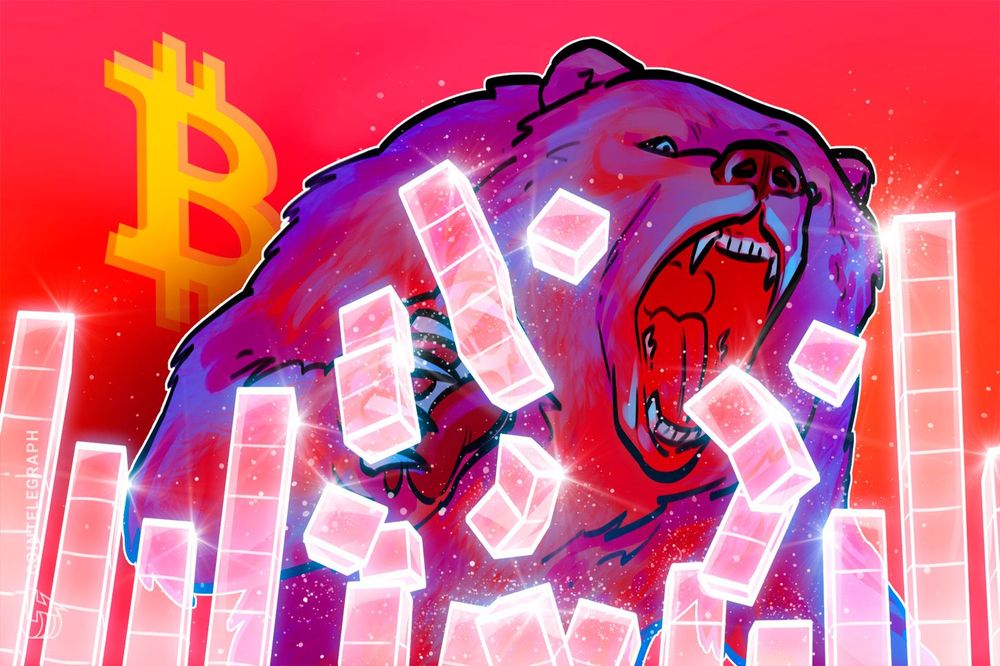
Bitcoin reached about $84,840 on Bitstamp on Wednesday before reversing around the daily close, according to TradingView data. The subsequent move below $82,000 erased Wednesday's gains.
The retreat left a downward-sloping resistance line intact on the three-day chart, extending Bitcoin's pattern of lower highs. Analyst Rekt Capital had said Tuesday that a break above that line was necessary for sustained upward momentum.
Traders had increased their exposure ahead of the reversal. CoinGlass data showed open interest across crypto trading platforms rising 4.5% in 24 hours to $55.95 billion late Tuesday, the highest level since September 25. Higher open interest can leave the market more vulnerable to cascading liquidations of long or short positions, amplifying an otherwise brief price reversal.
Below the market, Cointelegraph had identified $80,000 to $81,500 as a key support zone because it contains the cost basis of US spot Bitcoin exchange-traded funds.
ETF demand had also weakened. Glassnode's October 14 "Boxed In" report, summarized by TokenPost, put net outflows from US spot Bitcoin ETFs at about $760 million from October 7 through mid-October. That shift followed nearly $3 billion in net inflows between September 21 and October 6. Glassnode also identified a supply wall around $88,000 as holders sold near their break-even prices.
Tesla's spending outlook draws scrutiny
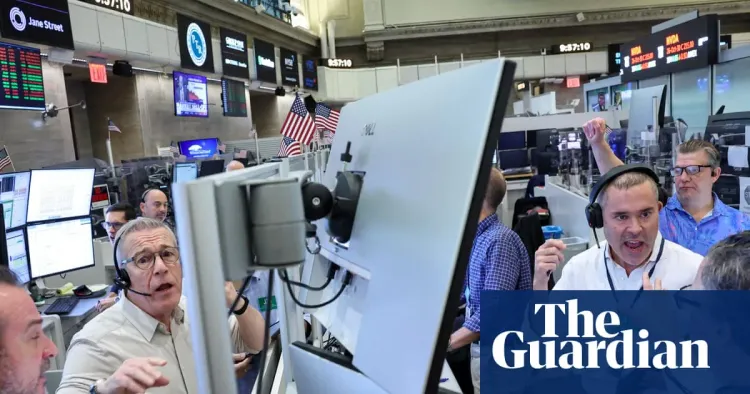
Better-than-expected US corporate earnings had supported gains in stocks and crypto. But Tesla's October 21 results, released after Wall Street closed, offered a less encouraging signal than the earlier reports from SpaceX and General Motors.
Tesla's Q3 revenue was $28.05 billion, narrowly missing Bloomberg's estimate of $28.13 billion. The larger gap was in capital expenditure: Tesla spent $4.73 billion against a forecast of $7.96 billion. The shortfall appeared to revive concerns about the AI sector as markets were recovering from the previous week's Asian technology-stock sell-off.
"Lower capex suggests less of an 'all-in' approach to the AI arms race than one would expect from Elon," Ryan Lee, senior vice president of product and strategy at Direxion, told Reuters, referring to Tesla CEO Elon Musk.
Tesla also lowered its annual spending target. On the October 21 earnings call, CFO Vaibhav Taneja cut 2026 capex guidance to about $20 billion from the earlier projection of more than $25 billion, according to Yahoo Finance. He attributed the savings to "managing our capital deployment efficiently" and said operating cash flows would provide most of the funding.
Musk nevertheless said spending would increase through 2028. "I think capex is actually ending up being a little lower than we anticipated, but we'll start to become more meaningful next year. And then noticeable in the tens of billions in '28," he said.
Cash flow improves as profits decline
Lower capital spending was the main reason Tesla generated $1.53 billion in positive free cash flow rather than the roughly $4.92 billion cash burn analysts had expected, Yahoo Finance reported. Tesla finished the quarter with $45.4 billion in cash and investments, according to Electrek.
The profit figures were weaker. Operating income dropped 56% from a year earlier to $718 million, leaving an operating margin of 2.6%, while GAAP net income declined 43% to $787 million. Operating expenses increased 39%. Research and development spending rose 69% to $2.76 billion, reflecting spending on "Super Intelligence," Optimus and the Cybercab.
In its Q3 update, Tesla said production of its Optimus humanoid robot had begun at the Fremont factory. It also reported 1.74 million active Full Self-Driving subscriptions and set a year-end target of 400 MW of AI training compute.
Separately, Musk said on SpaceX's October 20 earnings call that Tesla and SpaceX had each established special committees of independent directors to discuss a possible merger. He described the idea as a "good idea" but warned that a deal was not certain. Musk said his status as a conflicted party prevented him from participating in the committees' discussions.
KOSPI struggles to recover
South Korea's technology-heavy KOSPI Composite Index ended Thursday down 3.52%. Its recovery remained fragile after last week's fall to 5,460 points, the lowest level since late July.
By mid-October, the index's 2026 gain had narrowed to about 31%, compared with roughly 116% at its record close in June, according to Yahoo Finance. That left the KOSPI about 39% below its peak.
The index had substantial exposure to memory chipmakers: Samsung Electronics and SK Hynix together accounted for 44% of it in May. Foreign investors had also become net sellers.