An offer to devolve power within nations
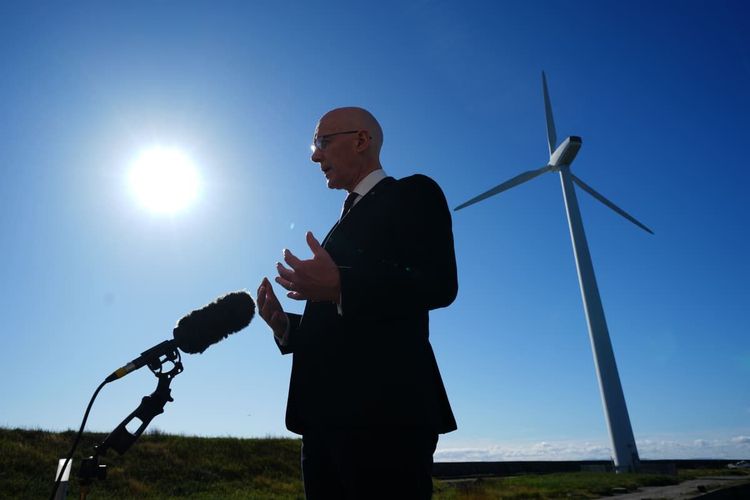
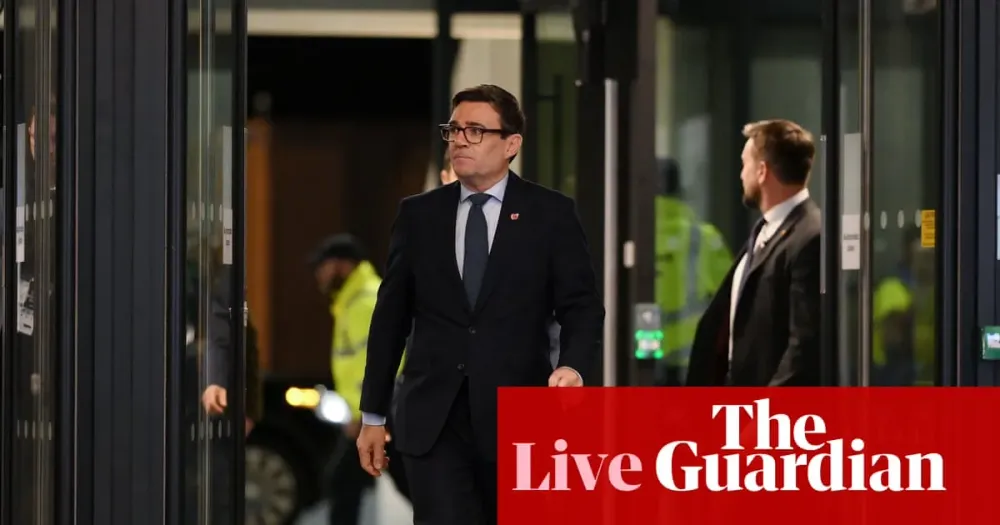
Burnham is chairing the National Economic Council in Glasgow on Friday morning, with Scottish First Minister John Swinney and Welsh First Minister Rhun ap Iorwerth due to attend. BBC News NI reported that Burnham revived the council during the summer of 2026 to foster cooperation across the UK's nations and regions.
In its briefing ahead of the meeting, Downing Street described a push to take devolution beyond national parliaments. Burnham's argument is that local communities are best placed to identify what they need to grow and gain access to opportunities.
"Through No 10 North, we are rewiring the state. I want to make sure every city and region in the United Kingdom is part of that," Burnham said in his pre-summit statement.
He asked the national governments to set political differences aside and develop regional empowerment models with the UK government, allowing communities to build on their strengths. He described that partnership as "the next stage of devolution" and said: "Together, there is no limit to what we can achieve."
The proposal extends an offer Burnham made to the Scottish Government on October 15. Speaking in Scotland after meeting young people in Lanarkshire, he called for joint work through No10 North and the Scotland Office to develop a Scottish model of regional empowerment. He characterized Scotland's devolved administration as among Europe's most centralized and argued that giving cities and regions more decision-making authority would help drive reindustrialization.
The talks come after Burnham acknowledged that economic uncertainty had constrained his first budget as prime minister. According to the Guardian's Kiran Stacey, he said it had been less radical than he wanted.
Nationalist leaders and Northern Ireland's absence
The political backdrop has changed since May's elections: for the first time, nationalist parties seeking to leave the UK hold the first minister posts in Scotland, Wales and Northern Ireland.
In Wales, Plaid Cymru took 43 seats in the 96-member Senedd in the May 7, 2026, election. Reform UK's 34 seats made it the official opposition, while Welsh Labour won nine. Ap Iorwerth took office on May 12 as the first non-Labour leader of the Welsh government, bringing 27 years of uninterrupted Labour-led devolved rule to an end.
Northern Ireland First Minister Michelle O'Neill will not join Swinney and ap Iorwerth in Glasgow. The Sinn Féin leader shares power with DUP Deputy First Minister Emma Little-Pengelly, and the DUP has blocked both leaders' attendance amid the Drumcree dispute. Officials will represent Northern Ireland instead.
According to BBC News, DUP leader Gavin Robinson said Little-Pengelly would not participate in joint engagements with O'Neill and that O'Neill would not receive permission to attend on her own.
The BBC linked the decision to unionist anger over Sinn Féin's role in protests that stopped an Orange Order march from proceeding along Garvaghy Road in Portadown. Police investigating the unnotified demonstrations have interviewed O'Neill and other senior Sinn Féin figures.
Other business on Friday
Downing Street is scheduled to hold its lobby briefing at 11:30 a.m. Alongside the Glasgow talks, Foreign Secretary Ed Miliband is attending the G20 foreign ministers' meeting in Atlanta on Friday afternoon, UK time.
The October 30-31 gathering is hosted by US Secretary of State Marco Rubio. According to POLITICO, its planned discussions include threats to freedom of navigation, energy security, food security and supply chains.
POLITICO also reported that Russian Foreign Minister Sergey Lavrov's presence had created tension among European participants over whether to join him for the traditional "family photo."