
Public funding to attract private capital
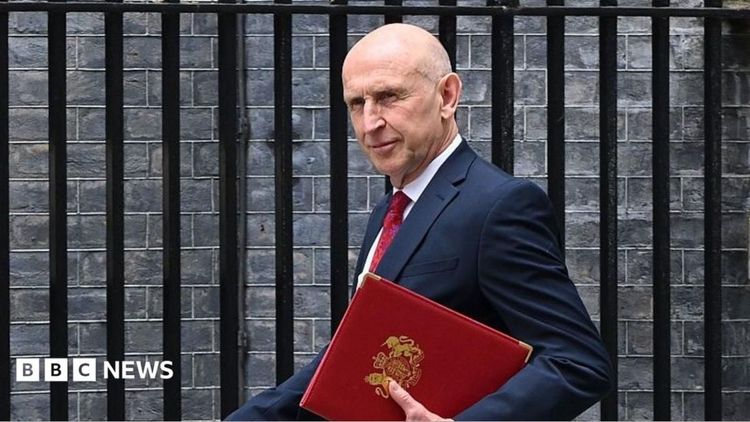
The British Business Bank and National Wealth Fund will direct more than £5 billion toward the UK defense industry over four years, investing in companies and funds. Healey said the aim was to secure "the maximum amount of private investment into defence".
The new Innovative Defence Financing Taskforce will examine how private and international finance can contribute more to UK defense, including through procurement reforms. Its published terms of reference say it will draw on expertise from government, finance and the investment community and operate until the next spending review.
Healey told MPs he was "determined to use more innovative financing, alongside the private sector and our international allies". NATO Secretary General Mark Rutte welcomed the measures as evidence of a "strong commitment on defence".
The Budget also allocated £15.4 billion in additional capital to the National Wealth Fund and £5 billion to the British Business Bank. Healey said the combined £20.4 billion would support 140,000 jobs, according to the Yorkshire Post.
The institutions offered their own estimates: the National Wealth Fund said its allocation could create or support about 100,000 jobs by 2035/36, while the British Business Bank said its additional capital would help create 15,800 jobs and support 24,600 existing positions.
Spending targets await the spring review
Healey did not explain how the government would raise defense spending to 3% of GDP by 2030 and 3.5% by 2035. He said those details would come at the spending review expected next spring. Reaching the 2030 target would require an additional £17.3 billion in 2029-30, the Office for Budget Responsibility estimated, according to Forces News.
The Budget did address a nearer-term funding gap. Healey committed to covering the £4.7 billion shortfall in the Defence Investment Plan by redirecting existing capital resources. Forces News, citing the Budget document, reported that departments would cut their capital budgets by 1% between 2027-28 and 2029-30, raising about £3 billion. Another £1.7 billion would come from an unallocated contingency in the Treasury's capital reserve.
Healey also said the defense budget was £14 billion above its level in the Conservatives' final year in government. According to Forces News, he said the additional money would bring defense spending to 2.7% of the economy by 2027.
The decision to defer the longer-term funding plan drew criticism because Healey had resigned as Keir Starmer's defense secretary in June after the government declined to explain how it would reach the 2030 target in its Defence Investment Plan.
Conservative leader Kemi Badenoch called for him to resign again, arguing that he had not delivered the change he previously demanded. Citing his resignation letter, she quoted: "I am certain that a date for three per cent of GDP on defence in 2030 is what Britain must set." She added: "Today is the day that we should have got the plan."
Treaty talks with European partners
The UK will open treaty negotiations with Finland, Poland and the Netherlands on the Multilateral Defence Mechanism. The initiative predates the Budget: Starmer's government announced it with the Netherlands and Finland in March 2026, and Poland joined in July, according to POLITICO.
The mechanism has £400 million in backing from the UK's Defence Investment Plan. A joint government statement said the partners aim to have it operating in 2027.
It will remain separate from Canada's Defence, Security and Resilience Bank. Before the Budget, London and Ottawa said Britain would neither join the bank nor merge the two initiatives, although they would work in tandem, POLITICO reported.
Canada confirmed that it would proceed with establishing the bank. Its partners are scheduled to meet in Luxembourg on November 30, 2026, to sign the formal documents.
Drone testing, an engine proposal and Ukraine aid
Budget documents also provided for a Ministry of Defence-led "drone regulation unit", Breaking Defense reported. The unit will coordinate work across agencies to reduce regulatory obstacles and clarify the process for testing uncrewed and autonomous systems.
The same documents described a proposed 10-year, £2.5 billion program with Rolls-Royce to develop a next-generation gas turbine engine for dual use. Breaking Defense reported that the proposal remains unfunded and has not been contracted; funding is subject to award, negotiations and relevant legal processes.
Healey separately announced £10 billion in additional economic and military support for Ukraine, according to Forces News. The package comprises loans, export finance guarantees and £500 million in urgent military funding for the winter.