Kinnock makes the case for free movement
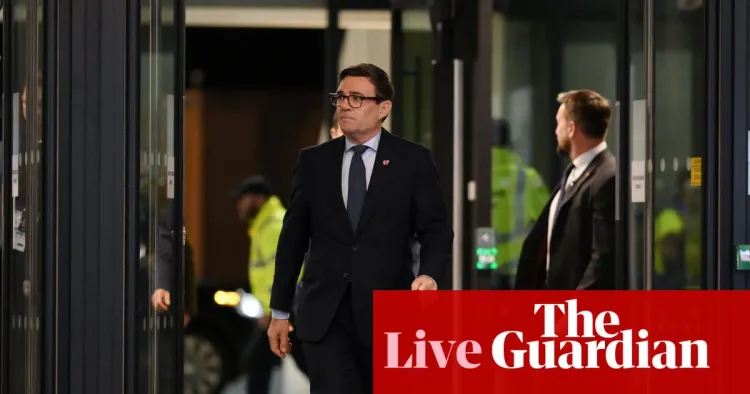
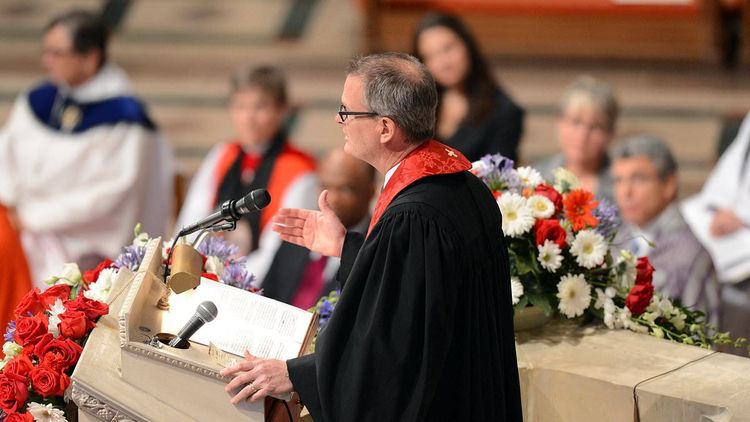
Speaking to The Mirror, Kinnock said Burnham was giving voters a role in discussing decisions of national importance. "He's treating the citizens like the adults they are," said the former European Commissioner.
Kinnock said he hoped evidence of the damage caused by Brexit, alongside the prospects for British growth and influence within a changed EU, would build support over the coming years, particularly among younger people.
He also cited demographic pressures: By 2040, he said, Britain would have just 2.6 working-age people for each person over 65. "If we want buoyant revenues, quality public services, economic advance, and security it's clear that freedom of movement is essential."
The EU's freedom-of-movement rules allow people to travel, work and study across its member states. A cornerstone of the bloc, the policy was also a contentious issue in the 2016 Brexit referendum.
Burnham sets conditions for any change
Burnham has opened discussion of Britain's longer-term ties with the EU, including freedom of movement, while saying he will not act ahead of public opinion. On October 26, 2026, he said restoring EU freedom-of-movement rules would require a referendum. Asked whether Britain could return to the scheme without a public vote, he said he would "never move ahead of the British public when it comes to Brexit".
He has also maintained his commitment to Labour's 2024 election manifesto, which excluded a return to freedom of movement, membership in the single market or a customs union. According to BBC News, Burnham has said changes would need a mandate at a general election, due by 2029. He has said he is not proposing changes during the current Parliament.
For the longer term, Burnham has left open the possibility of full EU membership or single market membership. But he has said he cannot imagine recommending that Britain adopt the euro or join the Schengen borderless area.
On immigration settlement policy, he has backed Home Secretary Shabana Mahmood's proposal to extend the wait for indefinite leave to remain from five years to as long as 15 years. He said "settlement is a right to be earned, not just granted automatically".
Business uncertainty ahead of the summit
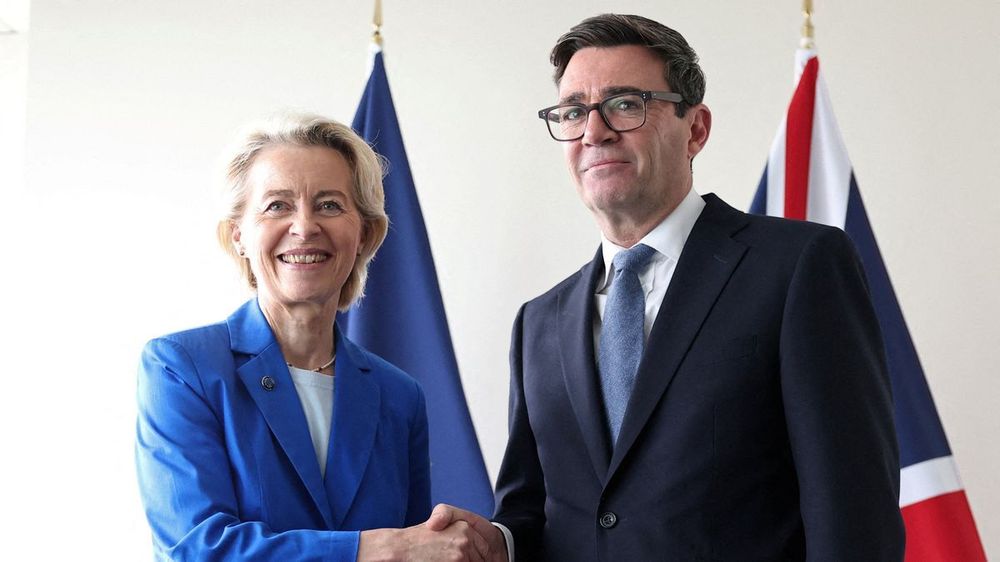
Burnham is expected to outline options for Britain's future EU relationship around the November 20, 2026, summit in Brussels. He is scheduled to meet European Council President António Costa and European Commission President Ursula von der Leyen.
This will be the second UK-EU summit, following the May 19, 2025, meeting in London at which the two sides agreed on a new strategic partnership. The government says it will seek agreements in Brussels to reduce costs and red tape for British farmers and businesses, including food businesses, and pursue deeper cooperation on security, illegal migration and crime.
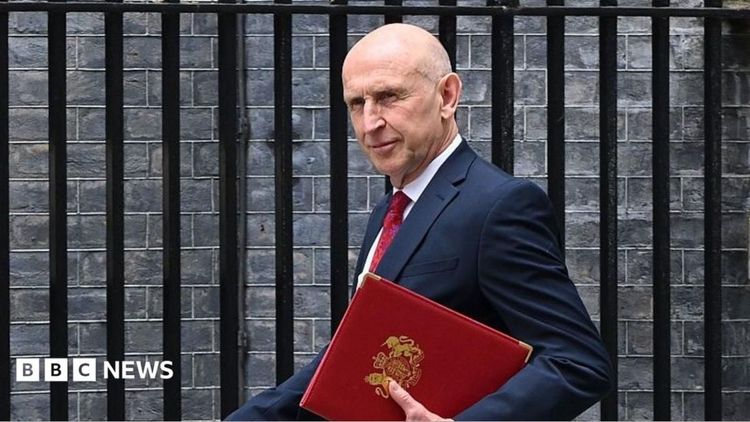
Business Secretary Jonathan Reynolds has warned that uncertainty about the long-term relationship is hurting British firms. He told the BBC: "We have to resolve what the long-term relationship will be… every day I'm talking to British business, who have concerns and uncertainty."
Reynolds did not deny reports that officials could discuss restoring freedom of movement, but said the government had made no assumptions about the future relationship. Asked whether officials were discussing it with the EU or preparing to do so, he said talks would cover future options, while stressing that the immediate priority was the summit and practical improvements.
Opposition criticism and Labour unease
The debate has drawn objections from political opponents, including Reform leader Nigel Farage, as well as Labour MPs representing areas that voted Leave. Conservative leader Kemi Badenoch said Burnham "hasn't thought this through", while Reform UK's Robert Jenrick called the idea "mad".
Melanie Onn, the Labour MP for Leave-voting Grimsby, said: "I don't think the scars have healed for many people." Writing for Politics.co.uk, she warned: "Almost a decade after the referendum, freedom of movement is finding its way back into our national political conversation. Just as the wounds of Brexit begin to heal, there is a risk of pulling out the staples prematurely."
Erasmus+ applications to open in November
Separately, the government confirmed on Tuesday that Britain will rejoin the Erasmus+ student exchange program at the start of January 2027. Foreign Office minister Hamish Falconer told MPs that applications would open in November, allowing young people to study, train or gain work experience in the EU. He said the opportunities would extend to "educational institutions of all kinds".
More than 100,000 people are expected to benefit during the first year of Britain's renewed participation. The agreement includes a 30% discount on the default contribution rate; its legal text was signed in Brussels on April 15, 2026.
The British Council is set to serve as the UK's National Agency for Erasmus+, subject to final confirmation by the European Commission.