Albania Anti-Government Protests Spread Beyond Tirana
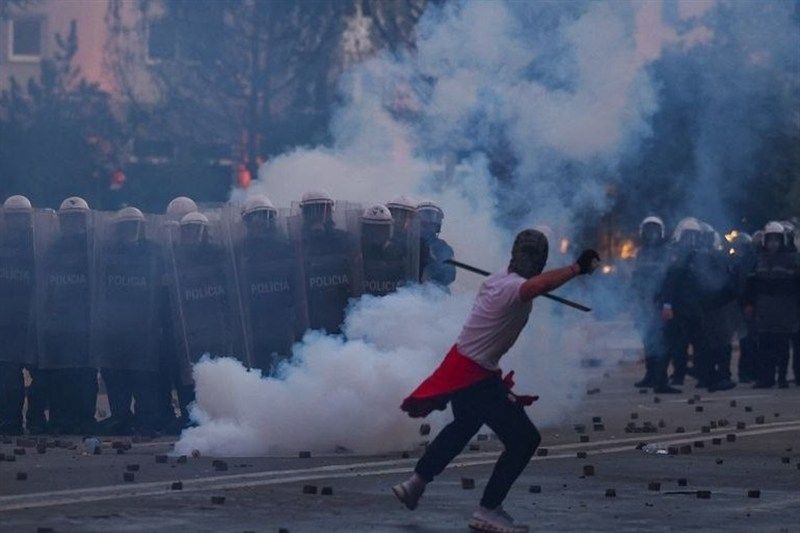
Thousands of young Albanians marched through the capital Tirana on Friday, breaking windows and damaging traffic lights on the fourth day of a student-led campaign demanding Prime Minister Edi Rama's resignation. The demonstrations, which began on October 13, 2026, have turned increasingly violent as protesters escalate their tactics in response to what they say has been government indifference to their concerns.
The unrest has spread beyond Tirana to other parts of the country. On Thursday, demonstrations in the capital turned into riots, with protesters smashing windows, raiding a bank, and clashing with police. At least 23 people were arrested during the Thursday clashes, and several police officers and a journalist were injured. The violence prompted Parliament to cancel its session, reflecting the magnitude of the political challenge facing the government.
Expanding Demands and Grievances
The current wave of protests initially focused on demands for better university conditions, lower education costs, improved employment opportunities, and financial support for students. These grievances resonate deeply in a country where economic pressures are significant. However, the movement has expanded to encompass broader frustrations with government corruption and controversial development projects.
Protesters are now calling not only for Rama's resignation but also for fresh elections and the formation of a transitional government. The demonstrations have drawn support from activists involved in the Flamingo Revolution, a citizen-led movement that began in late May 2026 in opposition to development projects in the Zvërnec area and has since expanded to include broader political and social demands.
Controversial Coastal Development Deal
Among the issues fueling protester anger is a controversial deal to develop luxury resorts on Albania's southern coastline. The project, backed by an investment firm linked to Jared Kushner, has sparked allegations of corruption and raised environmental concerns among demonstrators who oppose the sale of pristine coastal areas.
Political Context and Historical Precedent
Rama, who has served as Prime Minister since September 2013, is one of Albania's longest-serving leaders. He won his fourth term in 2025 on promises to push for European Union membership, with Albania aiming to join the bloc as early as 2028. The current protests represent the most significant challenge to his leadership since that electoral victory.
This is not the first time Albanian students have mobilized against Rama's government. In December 2018, large-scale student protests over rising education costs forced the Prime Minister to dismiss eight ministers and announce a reform package known as the Pact for the University. The precedent of government concessions following sustained student action helps explain both the protesters' confrontational tactics and their belief that pressure can produce results.
The escalation from largely peaceful demonstrations to violent confrontations signals a turning point in the current movement. After months of protests that activists say the government ignored, demonstrators appear determined to force a response through more aggressive action. The spread of unrest across the country suggests growing public support for the movement's demands and increasing dissatisfaction with the status quo.